Amazon IGQ1: Location, FBA Guide & Logistics Info
If you run an e-commerce business using Fulfillment by Amazon (FBA), manage a regional freight fleet, or track incoming inventory through the Midwest, you have likely encountered the code for Amazon IGQ1. Amazon names its massive logistics hubs using the International Air Transport Association (IATA) codes of nearby airports. In this case, IGQ points to Lansing Municipal Airport in Illinois, designating this facility as a critical logistics node in the greater Chicago metropolitan area.
Understanding the specific function of Amazon IGQ1 can help sellers streamline inventory transfers, assist carriers with dock appointments, and explain package tracking updates to consumers. Here is an in-depth breakdown of what this facility does, where it is located, and how to navigate its operational requirements.
What Is the Amazon IGQ1 Facility?
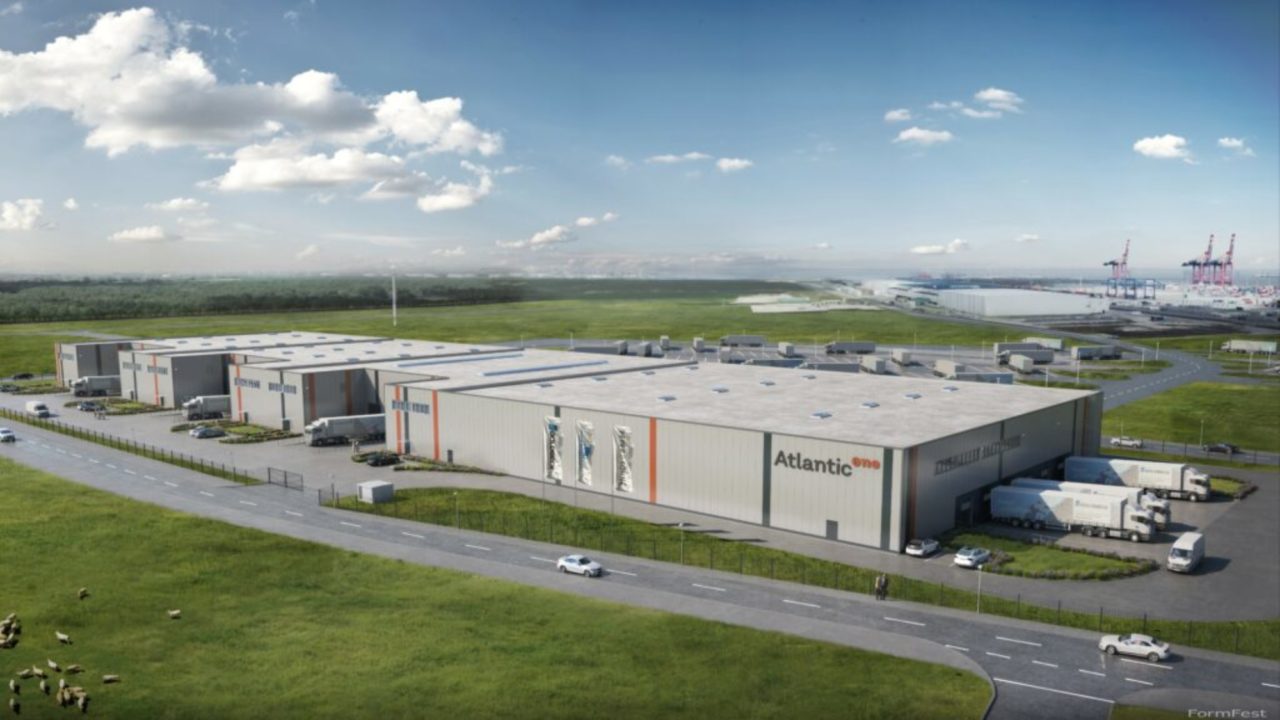
Amazon operates various types of facilities, including delivery stations, sortation centers, robotics fulfillment centers, and Inbound Cross-Dock (IXD) facilities. Amazon IGQ1 functions primarily within Amazon's inbound network, frequently acting as an IXD and consolidation point for shipments entering the Midwest.
Unlike standard fulfillment centers where customer orders are picked, packed, and placed into individual Amazon boxes, an IXD operates primarily to receive full truckloads or large shipments directly from manufacturers, suppliers, and third-party sellers. Once processed, the inventory is sorted and cross-docked to other fulfillment centers across the country, where it is placed on shelves closer to end consumers.
Location and Strategic Importance
Positioned south of Chicago in the Illinois industrial corridor, IGQ1 benefits from direct access to major interstate highways, including I-57, I-80, and I-294. This regional positioning allows Amazon to:
- Rapidly distribute inventory across both Midwest urban centers and nationwide hubs.
- Leverage nearby rail terminals and intermodal hubs connected to the Chicago rail network.
- Balance inventory levels across secondary fulfillment facilities during peak sales events like Prime Day and Q4 holiday shopping.
Key Tips for FBA Sellers Shipping to Amazon IGQ1
If Seller Central assigns Amazon IGQ1 as the designated destination for your inbound shipping plans, your inventory is entering a cross-dock environment. Sellers often notice that shipments routed to IXD hubs behave differently than those sent to local fulfillment warehouses. Here are several operational factors to keep in mind.
Expect Two-Stage Receiving Timelines
Because IGQ1 is an inbound consolidation point, goods delivered here are typically scanned in as "Delivered" and "Checked-In" relatively quickly, but moving to "Closed" can take longer. The inventory must often be broken down, relabeled for internal routing, and forwarded to downstream fulfillment centers. During this window, Amazon will frequently list your items as "Reserved - FC Transfer." Customers can often still purchase these items on backorder with slightly extended delivery estimates.
Adhere Strictly to Pallet and Carton Specifications
High-volume intake hubs maintain strict safety and automation standards. Deviating from Amazon's packaging rules can cause inbound delays, receiving discrepancies, or inbound placement defects:
- Box Dimensions and Weight: Keep boxes under 50 lbs unless containing a single oversize item, and ensure no side exceeds 25 inches unless specifically permitted.
- Pallet Standards: Use standard 40x48 inch, four-way access wooden pallets (GMA grade B or better). Never allow product overhang over pallet edges.
- Stretch Wrap: Wrap pallets securely from the base upward, ensuring pallets maintain structural integrity during unloading and staging.
- FBA Shipping Labels: Place barcodes prominently on all four sides of a pallet load and on the flat side of individual master cartons. Avoid placing labels across seams or tape lines.
Leverage Amazon Freight or Partnered Carrier Options
Booking through Amazon's Partnered Carrier Program (PCP) or Amazon Freight often minimizes friction at major facilities like IGQ1. Partnered carriers have established standing delivery appointments and standardized drop-trailer access, which reduces the risk of shipments sitting in transit limbo awaiting dock scheduling.

Information for Freight Carriers and Truck Drivers
For independent commercial drivers and freight carriers arriving at IGQ1, navigating the gate and yard efficiently is essential to avoid detention time. Like most modern Amazon distribution yards, operations are tightly scheduled.
Carrier Central Appointments
All Less-Than-Truckload (LTL) and Full Truckload (FTL) deliveries require an advanced dock appointment booked through the Amazon Carrier Central portal. Unscheduled deliveries or loads arriving outside the designated delivery window are routinely turned away at the security gate.
Yard Protocols and Check-In
- Gate Entry: Have your Freight Bill of Lading (BOL), Amazon Inbound Shipment IDs (FBA POs), and the valid Carrier Central Appointment Confirmation ready upon arrival.
- Safety Compliance: High-visibility safety vests, closed-toe shoes, and strict adherence to yard speed limits (typically 5 to 10 mph) are mandatory. Drivers must remain in designated safe areas or in their cabs during loading and unloading.
- Drop-and-Hook vs. Live Unload: Many large-scale inbound facilities rely heavily on drop-and-hook operations to keep docks clear. Confirm whether your load is scheduled as a live unload or a trailer drop before entering the yard.
Working at the Facility: Roles and Culture
As a substantial employer in Cook and Will counties, Amazon IGQ1 provides a wide range of logistics and supply chain positions. The roles inside an inbound facility typically focus on large-scale material handling rather than individual consumer order packing.
Common Job Functions
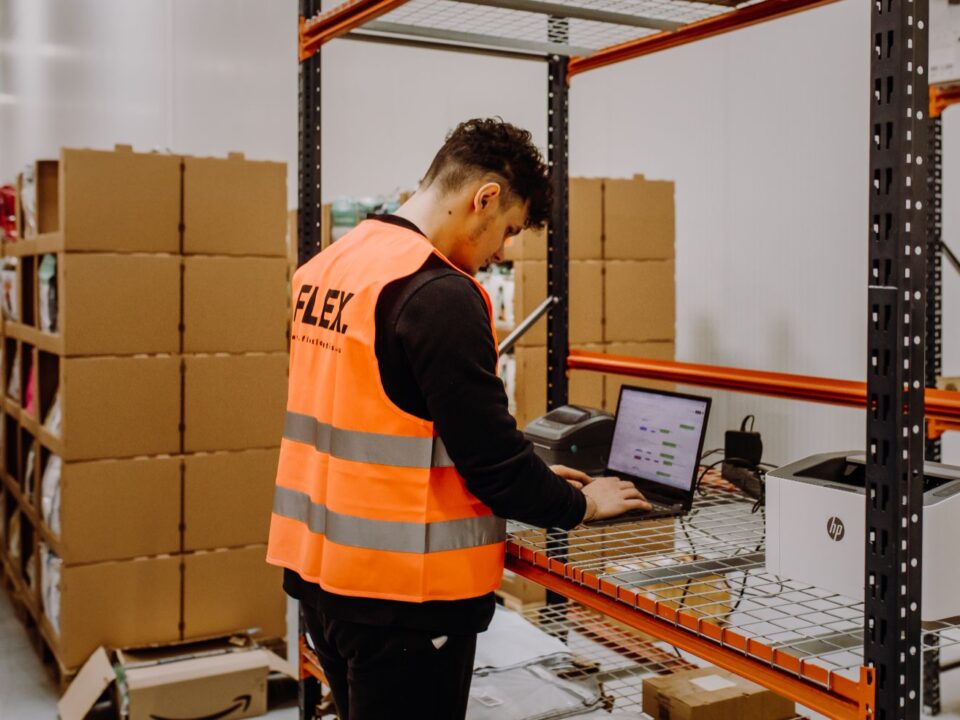
- Inbound Staging Associates: Unload cartons and pallets from incoming freight trailers, inspecting boxes for exterior damage.
- Cross-Dock Sorters: Scan master cartons and route them onto internal sorting conveyors based on their target fulfillment destinations.
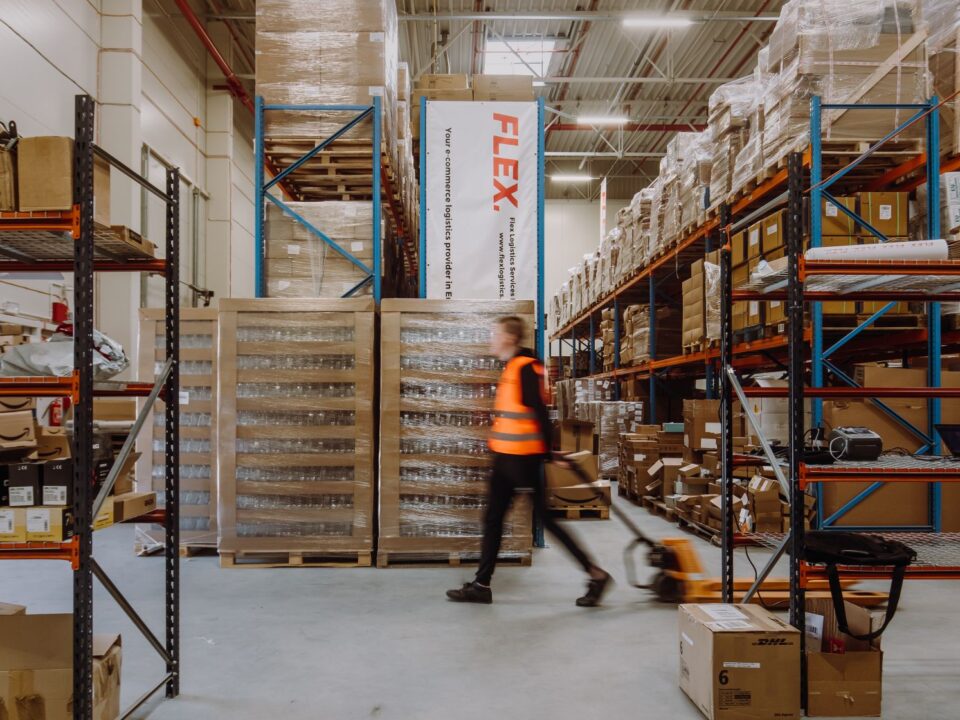
- PIT (Powered Industrial Truck) Operators: Operate reach trucks, forklifts, and order pickers to transport heavy pallets between staging lanes and loading bays.
- Non-Inventory & Facilities Personnel: Maintain warehouse infrastructure, equipment safety, and packaging supplies across the dock.
Positions usually follow standard Amazon shift models, including four-day, 10-hour workweeks with options for day or night schedules. Benefits for full-time employees generally include medical coverage from day one, 401(k) matching, and the Career Choice tuition assistance program.
Why Is My Consumer Package at IGQ1?
If you are an Amazon customer checking tracking information and your package displays a status update showing it reached or departed IGQ1, it means your order is moving through the regional line-haul network. Since IGQ1 serves as a sorting and routing center, packages pass through quickly on their way to a local delivery station (the last-mile facility that dispatches the familiar blue delivery vans).
Seeing your package at this facility typically indicates that long-haul shipping is complete and your item is within one or two logistical steps of your doorstep.
Summary
Amazon IGQ1 is an essential building block in Amazon’s Midwest logistics chain. By acting as an inbound consolidation and cross-dock hub, it allows Amazon to handle enormous volumes of supplier freight, balance inventory levels throughout the nation, and maintain rapid delivery speeds. Sellers who package and label carefully, combined with carriers who follow Carrier Central protocols, can ensure their goods pass through this vital node with minimal friction.