American Horror Stories Parents Guide: Age Rating & Content
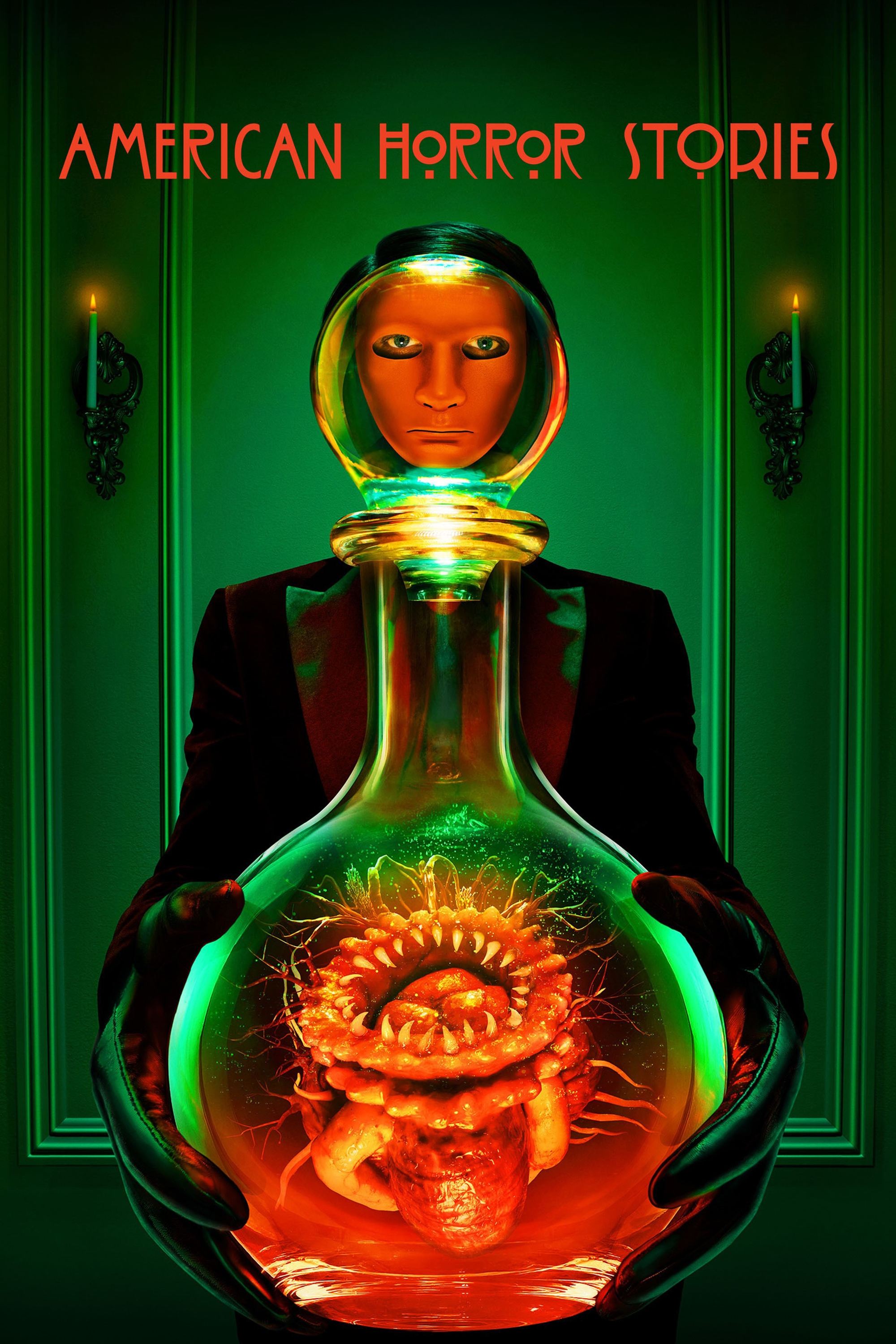
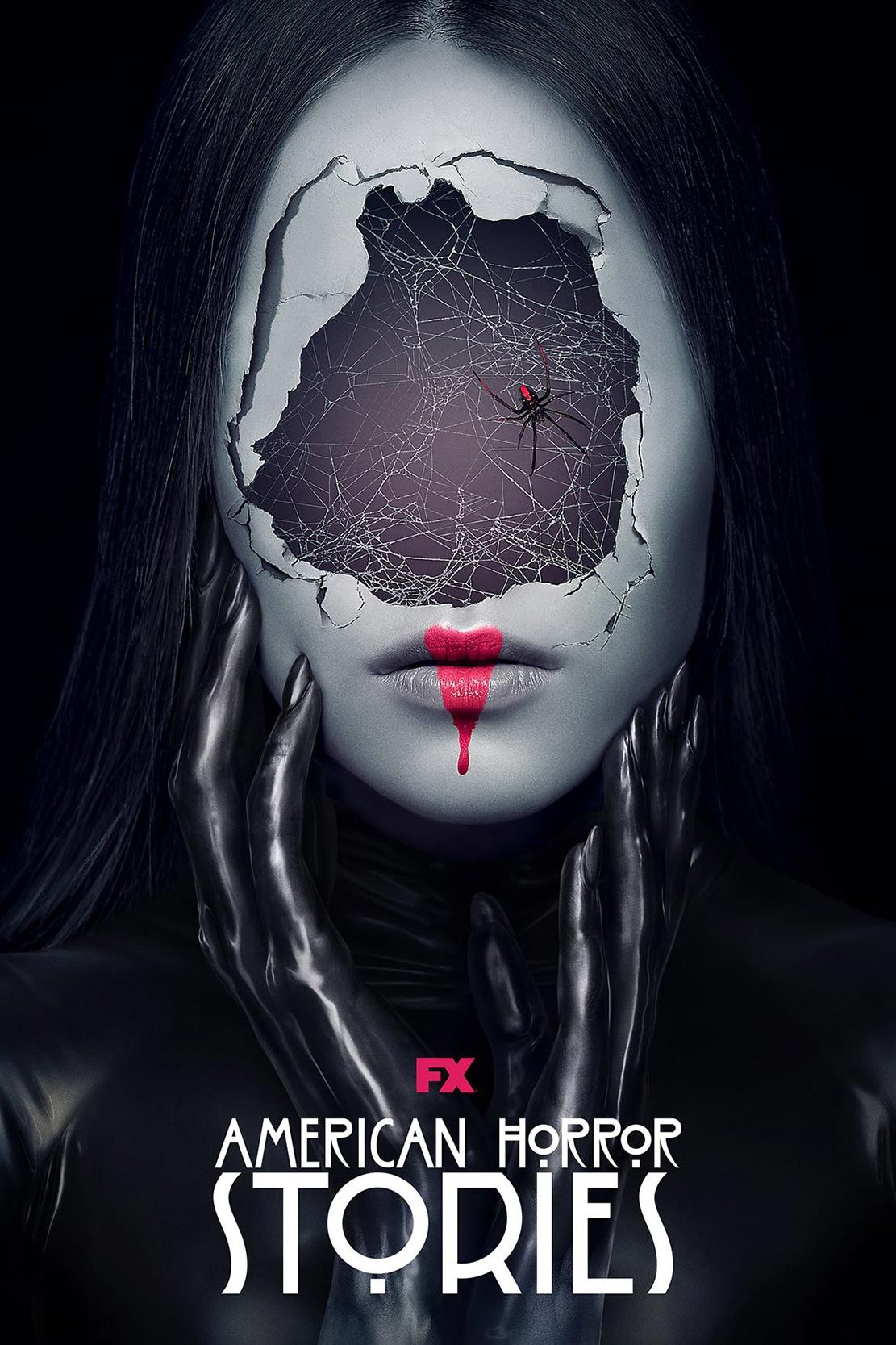
Spun off from Ryan Murphy and Brad Falchuk’s long-running flagship series, American Horror Stories delivers bite-sized terrors by telling a completely self-contained horror tale in nearly every episode. Because individual episodes feature distinct casts, directors, and premises, the intensity and nature of mature material fluctuate wildly from week to week. If your teenager is asking to stream the show on Hulu, this comprehensive American Horror Stories parents guide breaks down the official age rating, specific content warnings, and key considerations before you hit play.

Official Rating: What Does TV-MA Mean Here?
American Horror Stories carries an official rating of TV-MA (Mature Audience Only). The TV Parental Guidelines specify that this rating indicates programming designed solely for adults and unsuitable for viewers under 17. The series routinely includes content advisory tags for graphic violence, intense horror, sexual situations, crude language, and substance use.
Unlike broadcast television, streaming platforms like Hulu do not face FCC decency standards. As a result, the series pushes boundaries comparable to an R-rated horror film in nearly every 40- to 50-minute installment.
American Horror Stories Parents Guide: Content Breakdown
1. Violence and Gore
Horror is the show's primary selling point, and the gore is often visceral, prolonged, and creatively gruesome. Viewers are exposed to a wide range of graphic depictions, including:
- Severe body horror, such as voluntary surgical mutilation, self-inflicted wounds, and parasitic infections.
- Graphic slasher violence featuring slit throats, decapitations, evisceration, and close-up stab wounds.
- Cannibalism, necrophilia themes, and characters burned alive or dissolved by chemicals.
- Firearm violence, home invasions, and brutal physical assaults.
While some episodes lean into campy, B-movie horror tropes, others present bleak, realistic violence that can be deeply disturbing to sensitive viewers.
2. Sexual Content and Nudity
Sexual themes are woven heavily into the narrative arcs of multiple episodes. The series features passionate kissing, characters in skimpy attire or bondage gear, and explicit depictions of sexual encounters.
- Characters frequently engage in vigorous, simulated intercourse in various settings.
- Rear nudity and implied full nudity appear across several seasons.
- Dialogue often incorporates crude sexual references, frank discussions about fetishes, infidelity, pornography, and teenage sexual activity.
- Predatory sexual dynamics, coercion, and dangerous online relationships are recurring thematic elements.
3. Profanity and Coarse Language
The dialogue reflects an adult demographic. Strong profanity is frequent throughout every season:
Video: American Horror Story Season 13 Episodes 9-10 Breakdown | THIS SHOW KEEPS GETTING WORSE!

- Multiple uses of the "F-word" and its variations in almost every episode.
- Regular use of severe profanities including "sh*t," "b*tch," "a**hole," and various anatomical slurs.
- Blasphemous exclamations and sexually explicit insults are common during moments of panic or conflict.
4. Alcohol, Drugs, and Smoking
Substance use is portrayed casually and realistically, depending on the setting:
- High school and college-aged characters are shown binge drinking, using nicotine vapes, and smoking traditional cigarettes.
- Recreational illicit drug use—including cannabis, ecstasy, and prescription medication abuse—features in party scenes and plot-critical moments.
- Some episodes address the destructive consequences of addiction, including severe withdrawal symptoms, illicit trafficking, and lethal overdoses.
5. Psychological and Disturbing Themes
Beyond physical violence, the psychological content can be particularly intense for adolescent viewers. Prominent themes across the seasons include:
- Severe cyberbullying, doxxing, toxic online communities, and catfishing.
- Body dysmorphia, extreme eating disorders, and destructive obsessions with cosmetic perfection.
- Depictions of suicidal ideation, depression, grief over deceased children, and emotional abuse within families.
- Gaslighting and psychological torture designed to make characters question their sanity.
Notable Episode Trigger Warnings
Because the series is an anthology, specific episodes carry distinct triggers. A few notable installments worth previewing include:
- "Tapeworm" (Season 3): Centers on the modeling industry and features harrowing depictions of eating disorders, extreme body modification, and grotesque physical consequences.
- "Bestie" (Season 3): Explores chronic illness, severe social isolation, online grooming, and self-harm manipulated through a toxic friendship.
- "Milkmaids" (Season 2): A historical tale that contains stomach-churning scenes of disease, medieval medical practices, and religious fanaticism.
- "Rubber(wo)Man" (Season 1): Focuses on teenage alienation, revenge fantasies, murder-suicide pacts, and severe school-based bullying.
Is American Horror Stories Suitable for Teens?
Given the TV-MA rating and the consistent presence of graphic gore and explicit sexual situations, American Horror Stories is not suitable for children or younger young teens (under 16).
For older teens aged 16 to 17, appropriateness depends largely on individual maturity and sensitivity to horror. If your teen is already an avid consumer of R-rated horror cinema—such as Scream, Halloween, or the primary American Horror Story series—they will likely handle the stylistic violence without issue. However, parents should still be wary of the darker psychological themes surrounding self-harm, eating disorders, and toxic social media dynamics, which hit much closer to everyday adolescent anxieties than supernatural monsters do.
Tips for Parents
- Preview Individual Episodes: Because the series is an anthology, you do not need to watch in sequence. Check the episode synopsis and individual content advisory tags before allowing your teen to watch.
- Utilize Hulu Parental Controls: Hulu allows account holders to create a PIN-protected profile or restrict viewing levels to TV-14, ensuring younger household members cannot launch TV-MA titles unassisted.
- Discuss Modern Online Dangers: Several episodes explore the dark side of internet culture, such as online predators, anonymous forums, and viral challenges. Use these narratives as a springboard for conversations about digital literacy and online safety.
- Watch Together: If you choose to allow your older teen to view the show, consider co-watching higher-rated episodes to gauge their comfort level and decompress after disturbing scenes.
Final Verdict
American Horror Stories earns its TV-MA rating with no reservations. It delivers high-shock-value horror packed with bloody violence, explicit language, and adult sexual scenarios. Families with viewers under 16 should skip this series entirely, while parents of older teens should exercise discretion and review episode themes on a case-by-case basis.