Americord Reviews: Cost, Storage, and What to Expect
Deciding whether to store your newborn's umbilical cord blood and tissue is a significant choice for expectant parents. With several companies operating in the stem cell banking industry, researching provider reputations is essential. When looking into americord reviews, parents often want to know about pricing transparency, collection reliability, and the long-term security of their samples.

This guide breaks down everything you need to know about Americord, including how their services work, what customers say, and how they compare to other major cord blood banks.
Understanding Americord and Cord Blood Banking
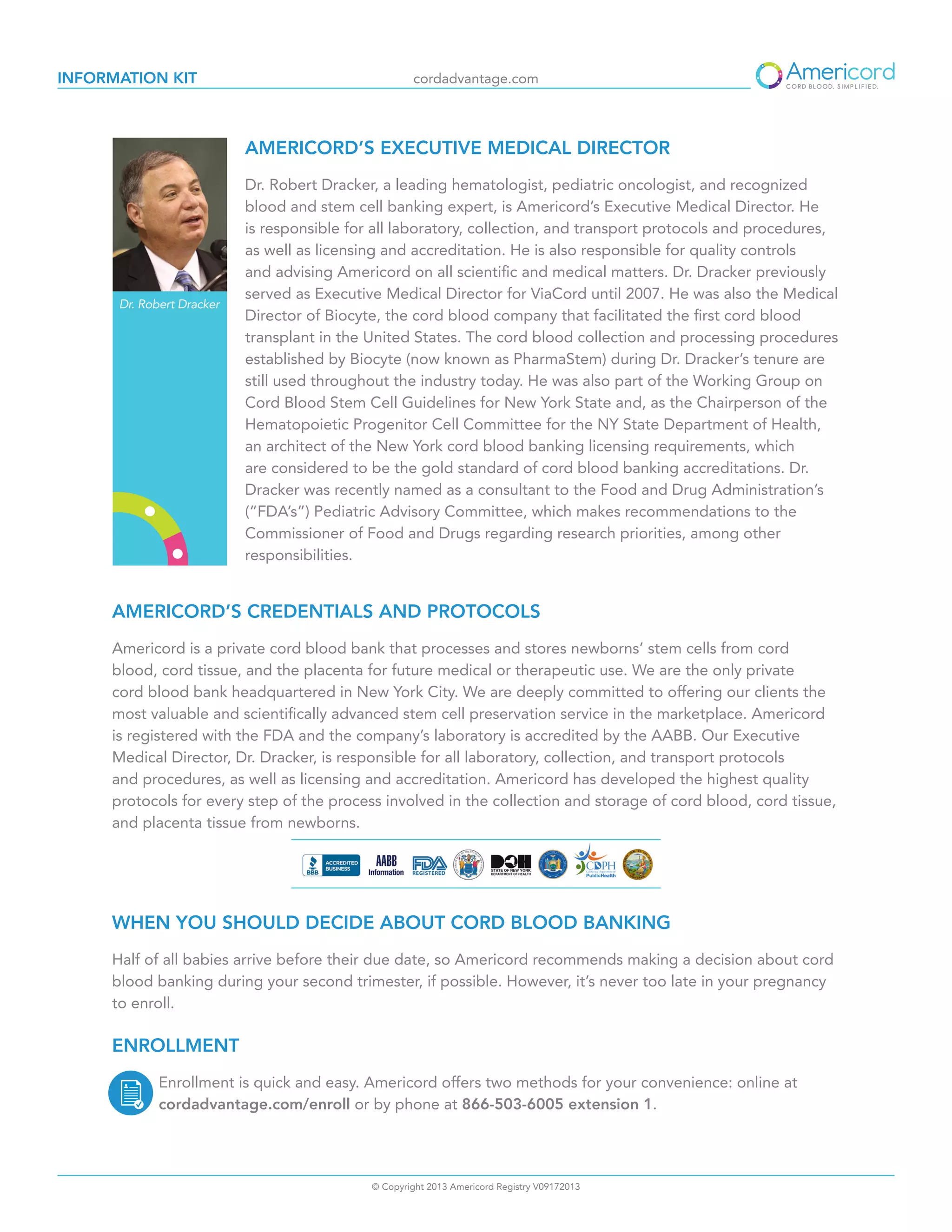
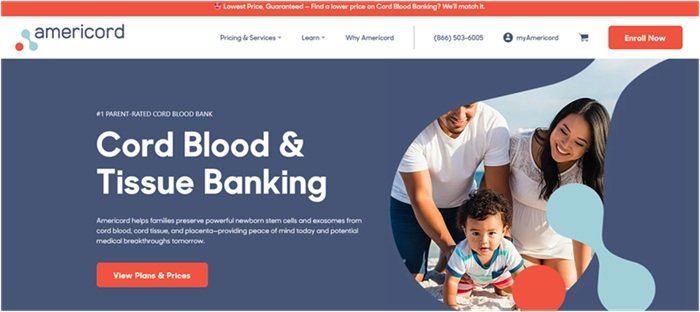
Americord Registry is a family cord blood and tissue bank based in the United States. Their primary service is collecting, processing, and storing stem cells found in the umbilical cord and placental tissue immediately after childbirth. These stem cells can potentially be used in regenerative medicine treatments for certain blood disorders, immune deficiencies, and genetic diseases.
Unlike public banks—which store donations for anyone in need—private banks like Americord store your baby's cells exclusively for your family's personal use.
Key Features and Services Offered
Americord differentiates itself in the market through specific collection technologies and bundled storage options. Their main offerings include:
- Cord Blood Banking: Collecting hematopoietic stem cells from the umbilical cord vein, which are traditionally used to treat blood and immune system disorders.
- Cord Tissue Banking: Harvesting mesenchymal stem cells from the umbilical cord tissue. These cells are currently being researched extensively for regenerative medicine and tissue engineering.
- Placental Tissue Banking: Extracting additional stem cells from the placenta to increase the total volume of stored biological material.
- Cord Blood Plus: A comprehensive package combining cord blood, cord tissue, and placental tissue collection.
Analyzing Americord Reviews and Customer Feedback
When examining authentic americord reviews across consumer platforms like Trustpilot, Google, and parenting forums, several consistent themes emerge regarding customer experiences.
The Positives
Many parents praise Americord for its straightforward enrollment process and customer service responsiveness. Common positive feedback points include:
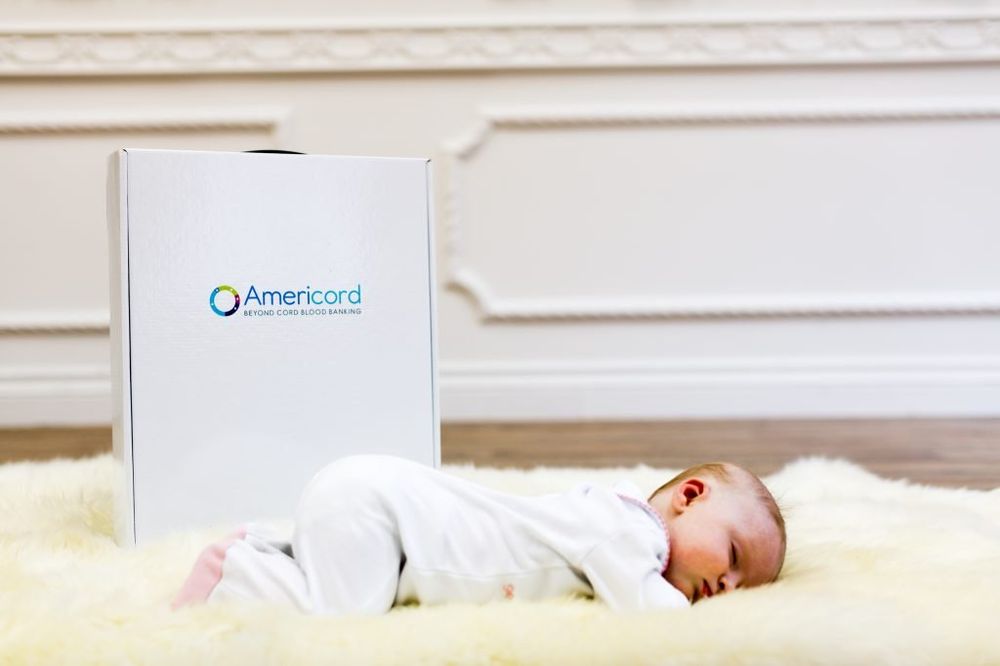
- Ease of Kit Delivery: The collection kit arrives directly at the parents' home well in advance of the due date, complete with clear instructions for the OB/GYN or midwife.
- Couriers and Logistics: Customers frequently note that Americord's medical courier service coordinates smoothly with hospital staff to pick up the sample promptly after delivery.
- Educational Support: Representatives are generally described as informative without being overly aggressive with sales tactics.
The Criticisms
No company is without negative feedback. Common complaints in critical reviews tend to focus on financial terms and administrative hurdles:
- Cancellation Policies: Some parents who experienced unexpected pregnancy complications or medical issues expressed frustration with cancellation fees or contract terms.
- Billing Clarity: A few reviewers noted confusion regarding long-term storage billing cycles once the initial prepaid period ended.
Americord Pricing and Costs
Cost is often the deciding factor for families considering private stem cell banking. Americord typically positions itself as a competitive alternative to larger legacy banks by offering streamlined pricing structures.
Typically, costs are broken down into:
- Processing and Testing Fee: A one-time fee covering the lab analysis, processing, and initial year of storage.
- Annual Storage Fee: A yearly fee to maintain the cryogenic storage facility, or an upfront payment for multi-decade storage packages.
It is crucial to read the fine print regarding promotional rates, as some initial discounts may transition into standard rates after the first year.
How Americord Compares to Competitors
The cord blood banking industry includes major players like CBR (Cord Blood Registry) and ViaCord. How does Americord stack up against them?
- Volume and Experience: Legacy competitors like CBR have stored significantly more samples over decades of operation. However, Americord utilizes modern processing techniques designed to maximize cell recovery rates.
- Placental Tissue: Americord was an early adopter of combined cord and placental tissue banking, offering clients more diverse stem cell types than some traditional competitors.
- Cost Transparency: Many parents note that Americord's online pricing is easier to find and understand compared to competitors who require speaking with a sales representative for a quote.
What to Consider Before Choosing Americord
Before signing a contract with Americord or any other stem cell bank, consider the following questions:
- Hospital Policies: Does your delivering hospital or attending physician have experience collecting samples with Americord's kit? Most do, but it is always best to confirm early.
- Financial Commitment: Can your family comfortably sustain the long-term storage fees over the 18-to-21-year lifespan of the contract?
- Family Medical History: Do you have a history of conditions that might benefit from stem cell therapies, or are you primarily banking as an insurance policy for the unknown?
Conclusion
Reading americord reviews reveals a company that provides efficient, professional stem cell collection and storage services with generally favorable customer satisfaction. While private cord blood banking is a significant financial investment, Americord offers competitive pricing and modern multi-tissue collection options. Expectant parents should weigh the potential medical benefits against the costs and discuss their options with their healthcare provider before making a final decision.