Anatomy of a High-Performing Login Peak System
Introduction
Traffic spikes can make or break a digital platform. Whether it is ticket sales for a major concert, a flash sale on an e-commerce site, or millions of users logging in simultaneously to watch a live stream, the authentication gateway is often the first line of fire. When traffic surges, databases lock up, API gateways timeout, and legitimate users get locked out. That is why understanding and implementing a high-performing login peak system is critical for modern software engineering.
A poorly optimized authentication flow creates a cascading bottleneck. If your database struggles to verify credentials under heavy load, every subsequent microservice grinds to a halt. In this article, we are breaking down the components of a high-performing login peak system to help you design an architecture that remains fast, secure, and resilient under extreme pressure.
Core Infrastructure and Load Balancing
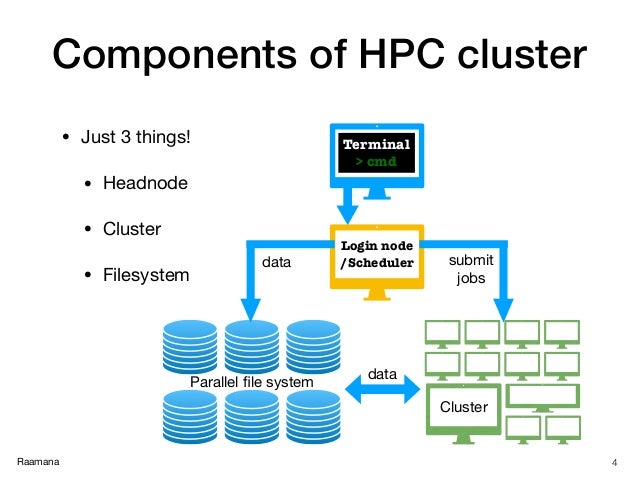
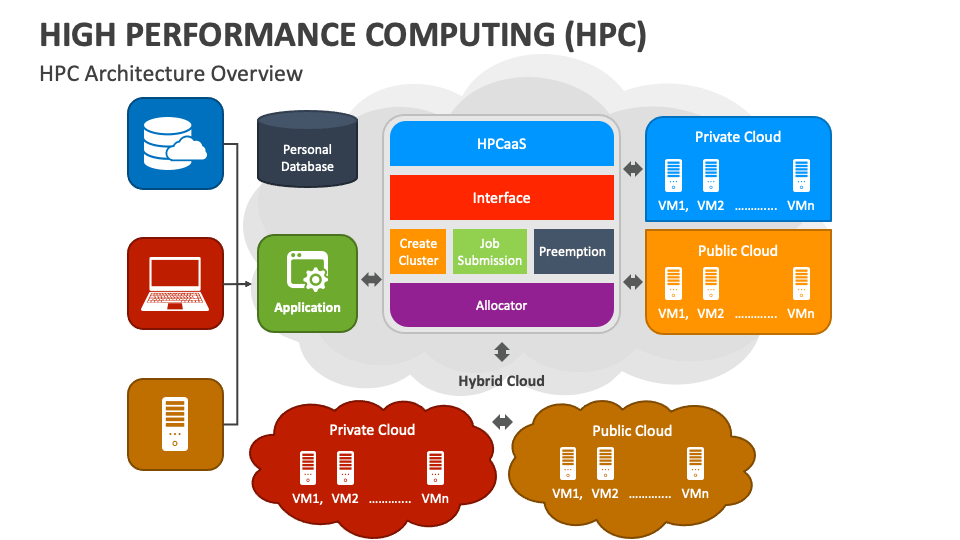
The foundation of any high-concurrency architecture begins long before a user ever types a password. Managing millions of incoming authentication requests requires distributing the load efficiently across multiple servers and data centers.
Global Traffic Management and CDN Integration
Before requests hit your application servers, they must traverse the network edge. Content Delivery Networks (CDNs) and DNS-based Global Traffic Managers (GTM) play a pivotal role in absorbing volumetric spikes, including DDoS attacks that often accompany high-profile events.
- Anycast DNS: Routes users to the geographically closest data center, reducing initial connection latency.
- Edge Caching: Static assets of the login page (HTML, CSS, JavaScript images) should be served directly from the CDN edge, keeping backend resources free for dynamic processing.
- Web Application Firewalls (WAF): Filters out malicious bots and credential-stuffing scripts before they consume valuable backend compute power.
- Writing audit logs and tracking IP addresses or user agents.
- Triggering login notification emails or SMS alerts for suspicious activity.
- Updating last-seen timestamps in the primary user database.
- Size your CPU infrastructure specifically to handle expected peak cryptographic workloads.
- Implement asynchronous worker pools dedicated exclusively to password verification.
- Use modern hardware accelerators or cloud instances optimized for cryptographic processing.
Distributed Load Balancers
Once traffic reaches your infrastructure, Layer 4 and Layer 7 load balancers (such as NGINX, HAProxy, or cloud-native solutions like AWS ALB) distribute requests across your application nodes. During a peak event, configure your load balancers with health checks that quickly remove unresponsive nodes and apply intelligent rate-limiting algorithms, such as the leaky bucket or token bucket approach, to prevent server overload.
Optimizing the Authentication Pipeline
The core application logic handling credential verification must be streamlined. Every millisecond shaved off the authentication lifecycle increases overall system throughput.
Asynchronous Processing and Queueing
Not all tasks associated with a login event need to happen synchronously. While credential verification must be immediate, auxiliary actions can be deferred:
By offloading these tasks to message brokers like Apache Kafka or RabbitMQ, the primary login thread can return a success or failure response much faster.
Stateless Session Management with JWTs
Video: [FULL ENG DUB] World's Best Martial Artist | Rise to Power, Fight for Humanity! #chineseanime
Traditional server-side sessions require querying a database or distributed cache on every subsequent request to verify if a user is logged in. During a traffic peak, this creates immense read pressure. Implementing JSON Web Tokens (JWTs) or PASETO allows for stateless authentication. Once a user successfully logs in, they receive a digitally signed token containing their claims. Protected services can verify the signature locally without hitting a database, drastically reducing backend load.
Database Strategy and Caching Layers
Relational databases are notoriously poor at handling sudden spikes in concurrent write and read operations, particularly when executing complex queries to fetch user profiles, salt values, and password hashes.
In-Memory Caching with Redis or Memcached
Never query your primary database directly for every login attempt. Use an in-memory data store like Redis as a fast-lookup cache for user metadata, rate-limiting counters, and session states. Because Redis operates entirely in RAM, it can handle hundreds of thousands of operations per second with minimal latency.
Database Read Replicas and Connection Pooling
When database queries are unavoidable, ensure your architecture utilizes read replicas to split the traffic. Furthermore, implement aggressive connection pooling (using tools like PgBouncer for PostgreSQL) to prevent the database from exhausting its maximum connection limits when thousands of application threads spin up simultaneously.
Security and Rate Limiting Under Pressure
High-traffic peaks invariably attract bad actors attempting brute-force attacks, credential stuffing, or distributed denial-of-service (DDoS) campaigns. A robust login peak system must balance high performance with rigorous security controls.
Adaptive Rate Limiting and Captchas
Imposing rigid rate limits can accidentally block legitimate users who mistype their passwords. Modern systems use adaptive rate limiting based on behavioral analytics and risk scoring. If a request originates from an unknown device, unusual IP address, or exhibits automated patterns, the system can dynamically step up friction by introducing managed challenges like invisible reCAPTCHA or Proof-of-Work puzzles, rather than blocking them outright.
Secure Password Hashing
Algorithms like bcrypt, Argon2, and PBKDF2 are intentionally designed to be computationally expensive to prevent offline cracking if a database is breached. However, under a massive login peak, this CPU-intensive hashing can starve your server threads. To mitigate this:
Observability, Failgracefully Strategies, and Conclusion
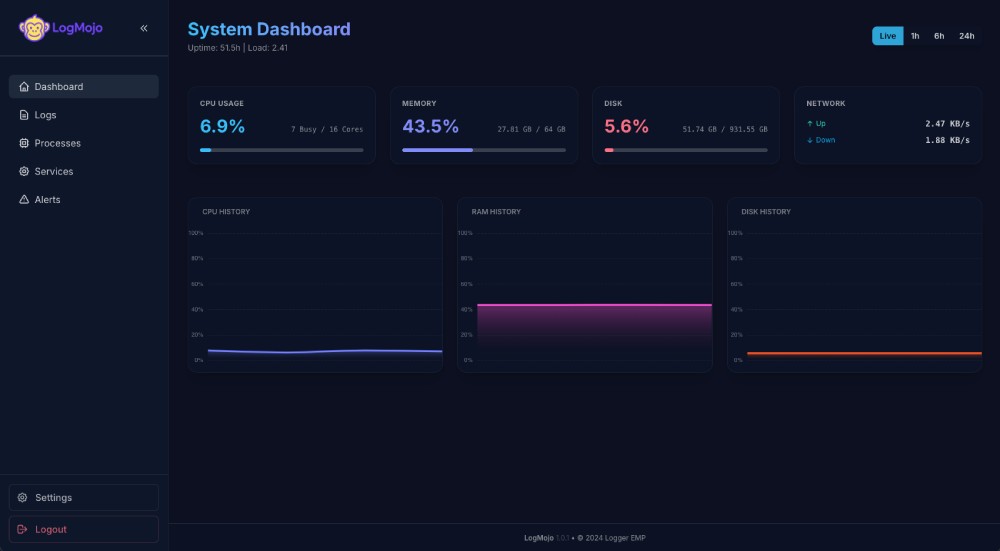
Even with optimal architecture, unforeseen bottlenecks can occur. Real-time observability ensures your engineering team can diagnose issues before they cascade into total system failure.
Instrument your application with distributed tracing (using OpenTelemetry or Datadog) to monitor the exact latency of each component—from the load balancer to the Redis cache and the database. Set up automated alerts for elevated error rates, queue depths, and CPU utilization.
Finally, design for graceful degradation. If the database completely melts down during an unprecedented surge, your login peak system should have circuit breakers in place to serve a friendly maintenance page or allow users to proceed with degraded functionality (such as cached session validation) rather than throwing unhandled 500 internal server errors. By treating scalability, caching, and security as interconnected pillars, your authentication infrastructure will weather any storm.