Anatomy of a Leaf: Which Plant Part Connects the Leaf Blade to the Stem?
Introduction to Plant Leaf Anatomy

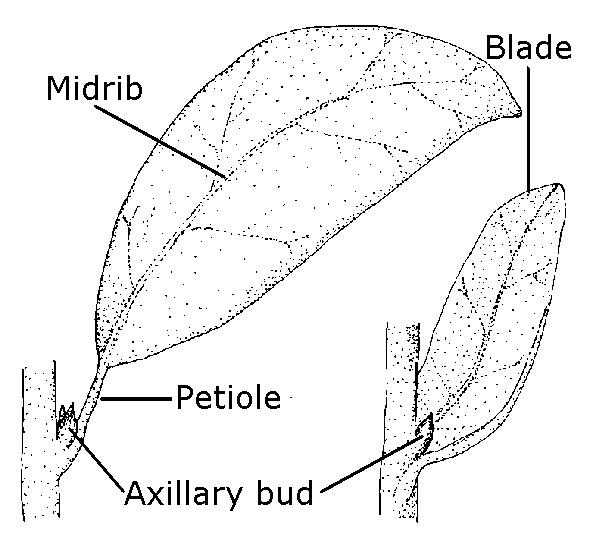
When observing a plant, the most striking features are usually the vibrant green leaves and the sturdy central stem. However, the connection between these two essential structures involves specialized botanical architecture. If you have ever wondered which plant part connects the leaf blade to the stem, the answer is the petiole.
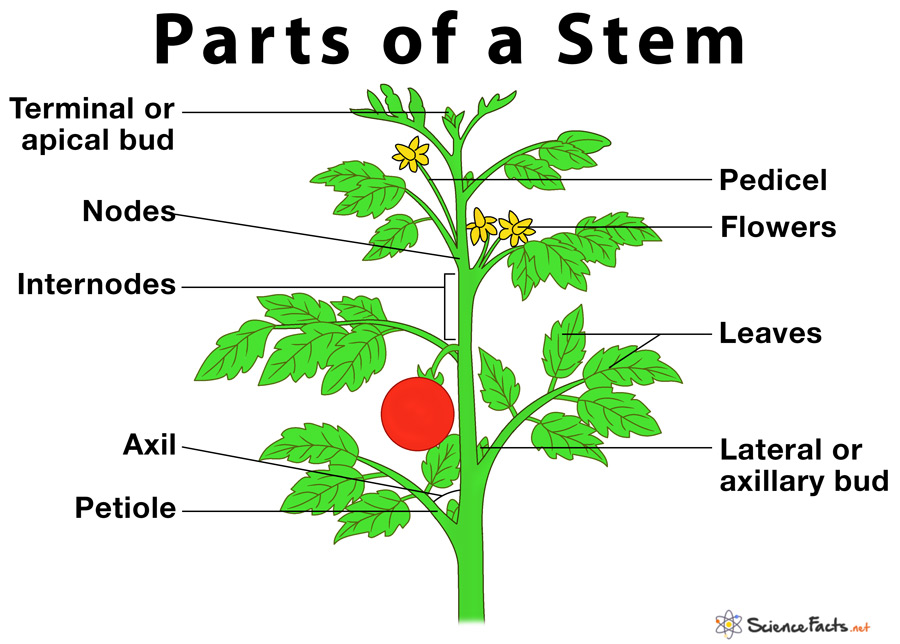
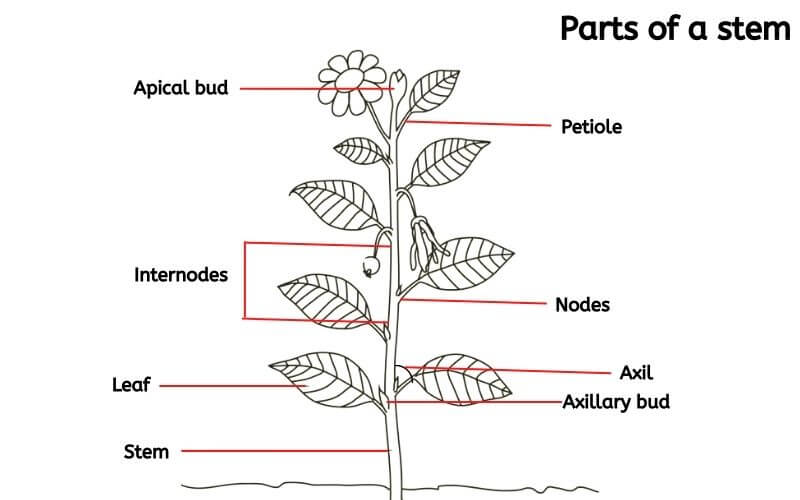
Understanding plant anatomy helps us appreciate how flora transport water, nutrients, and sugars throughout their systems. While the broad, flat leaf blade captures sunlight for photosynthesis, it relies entirely on supporting structures to stay positioned correctly. The petiole acts as the crucial bridge in this biological network.
The Petiole: The Bridge Between Leaf and Stem
The botanical term for the stalk that attaches a leaf to the main stem is the petiole. Not all plants have one—some leaves attach directly to the stem in what botanists call a sessile arrangement—but for the vast majority of flowering plants, trees, and shrubs, the petiole is a permanent fixture of daily survival.
Looking closely at a typical leaf, you will notice the flat, expanded portion known as the leaf blade, or lamina. The petiole is the narrow, stem-like appendage that anchors this blade outward, positioning it away from the branch to maximize light exposure.
Key Functions of the Petiole
The petiole is much more than a simple holding stalk. It performs several critical functions that ensure the overall health and productivity of the plant:
- Nutrient and Water Transport: The petiole contains vascular tissues (xylem and phloem) that act as highways, moving water and minerals up from the stem into the leaf, and returning manufactured sugars back down to the rest of the plant.
- Light Optimization: By allowing the leaf blade to swivel, tilt, or adjust its angle, the petiole helps the plant capture the maximum amount of sunlight throughout the day.
- Stress Reduction: Flexible petioles allow leaves to flutter safely in strong winds or bend under heavy raindrops rather than tearing off the stem entirely.
- Herbivore Defense: In some plant species, petioles feature specialized glands or thorns that deter pests from climbing onto the delicate leaf surfaces.
Petioles vs. Sessile Leaves: A Quick Comparison
While the petiole is common, the plant kingdom is wonderfully diverse. Botanists classify leaves based on how they attach to stems:
Video: Parts of a Plant and Their Functions for Kids | Root, Stem, Leaf, Flower & Fruit

- Petiolate Leaves: Leaves that feature a distinct stalk (petiole) connecting the blade to the stem. Examples include maples, sunflowers, and beans.
- Sessile Leaves: Leaves that lack a petiole entirely. The leaf blade attaches directly to the stem, often wrapping partially around it. Examples include corn, zinnias, and many types of grasses.
In sessile leaves, the vascular bundles still connect directly from the stem into the leaf blade, but the physical spacing provided by a petiole is absent.
Modifications and Unique Forms of the Petiole
Evolution has adapted the petiole into fascinating structures in certain plant families. Recognizing these variations gives us a deeper look into botanical diversity.
Winged Petioles
In some plants, the edges of the petiole feature flat, green, leaf-like tissue expansions known as wings. These wings can assist in photosynthesis alongside the main leaf blade, increasing the plant's overall energy production capabilities.
Petiolules in Compound Leaves
When looking at compound leaves—where a single leaf is divided into multiple smaller leaflets (such as in tomato plants or rose bushes)—terminology shifts slightly. The main stalk connecting the entire leaf structure to the stem is still called the petiole. However, the small stalk connecting an individual leaflet to the central axis (the rachis) is called a petiolule.
Modified Tendrils and Spines
In certain climbing vines, the petiole can elongate and curl around support structures, acting as a tendril to help the plant climb upward. In other rare cases, petioles can harden into protective spines after the leaf blade falls off, shielding the dormant buds on the stem from grazing animals.
Summary
The next time you examine a leaf, you will easily recognize the anatomy at play. The plant part that connects the leaf blade to the stem is the petiole, a dynamic and vital stalk responsible for transport, positioning, and structural support. From simple garden herbs to towering forest trees, this humble botanical bridge keeps plants thriving under the sun.