Andy Cohen’s Money Machine: Building an Empire
When television executives look for a blueprint on how to bridge the gap between corporate management and pop-culture stardom, one name stands above the rest. Unpacking Andy Cohen’s money machine — how a $30 million net worth powered his rise reveals a masterclass in modern entertainment entrepreneurship. Cohen did not simply become famous; he engineered a multi-platform media powerhouse from the ground up, moving seamlessly from the executive boardroom to late-night television.
While recent estimates place his total fortune anywhere between $30 million and $50 million, his financial ascent was never an overnight fluke. It was the product of sharp network instincts, contract renegotiations, executive producer credits, and an uncanny ability to monetize unscripted drama. Here is how Andy Cohen built his entertainment empire and turned cultural conversation into lasting generational wealth.
From CBS Newsroom to Bravo Architect
Before Andy Cohen became the face of late-night cable, he spent a decade learning the nuts and bolts of broadcast production at CBS News. Working alongside industry veterans on broadcasts like 48 Hours and CBS This Morning, Cohen honed his editorial sense, interview instincts, and operational discipline.
In 2000, he joined Trio, a boutique pop-culture channel owned by Vivendi Universal, before moving to Bravo in 2004 as Vice President of Original Programming. At the time, Bravo was still largely known for arts programming, highbrow documentaries, and the breakthrough hit Queer Eye for the Straight Guy. Cohen helped fundamentally reshape the network's mission statement, shifting Bravo’s programming slate toward high-engagement unscripted reality television.
His executive role gave him creative oversight of era-defining hits, including:
- Top Chef
- Project Runway
- Million Dollar Listing
- The Millionaire Matchmaker
- Flipping Out
By keeping production budgets lean and audience retention high, Cohen made Bravo one of the most profitable cable channels in the NBCUniversal portfolio.
The Housewives Goldrush: Andy Cohen’s Money Machine in Motion
In 2006, Bravo launched The Real Housewives of Orange County, inspired partly by the popularity of scripted shows like Desperate Housewives and The O.C. What started as a single documentary-style soap opera soon evolved into the cornerstone of Andy Cohen’s money machine.
Recognizing the format’s scalability, Cohen and his team expanded the concept to New York City, Atlanta, New Jersey, Beverly Hills, and beyond. Unlike traditional broadcast dramas with expensive writer rooms and escalating cast fees, reality franchises provided high profit margins and repeatable formats across global territories.
Crucially, Cohen ensured his career was tethered to the franchise as an executive producer. Even as he eventually stepped down from his corporate executive vice president role at Bravo in 2013, he retained his EP title and profit participation across the Real Housewives ecosystem. This strategic pivot allowed him to step away from daily management meetings while continuing to receive steady production royalties on dozens of seasons and reunion specials.
Transitioning from Behind the Camera to Watch What Happens Live
Most corporate executives stay behind the scenes. Cohen leveraged his natural charisma and quick wit to step directly in front of the camera, turning a web-only aftershow into a late-night institution.
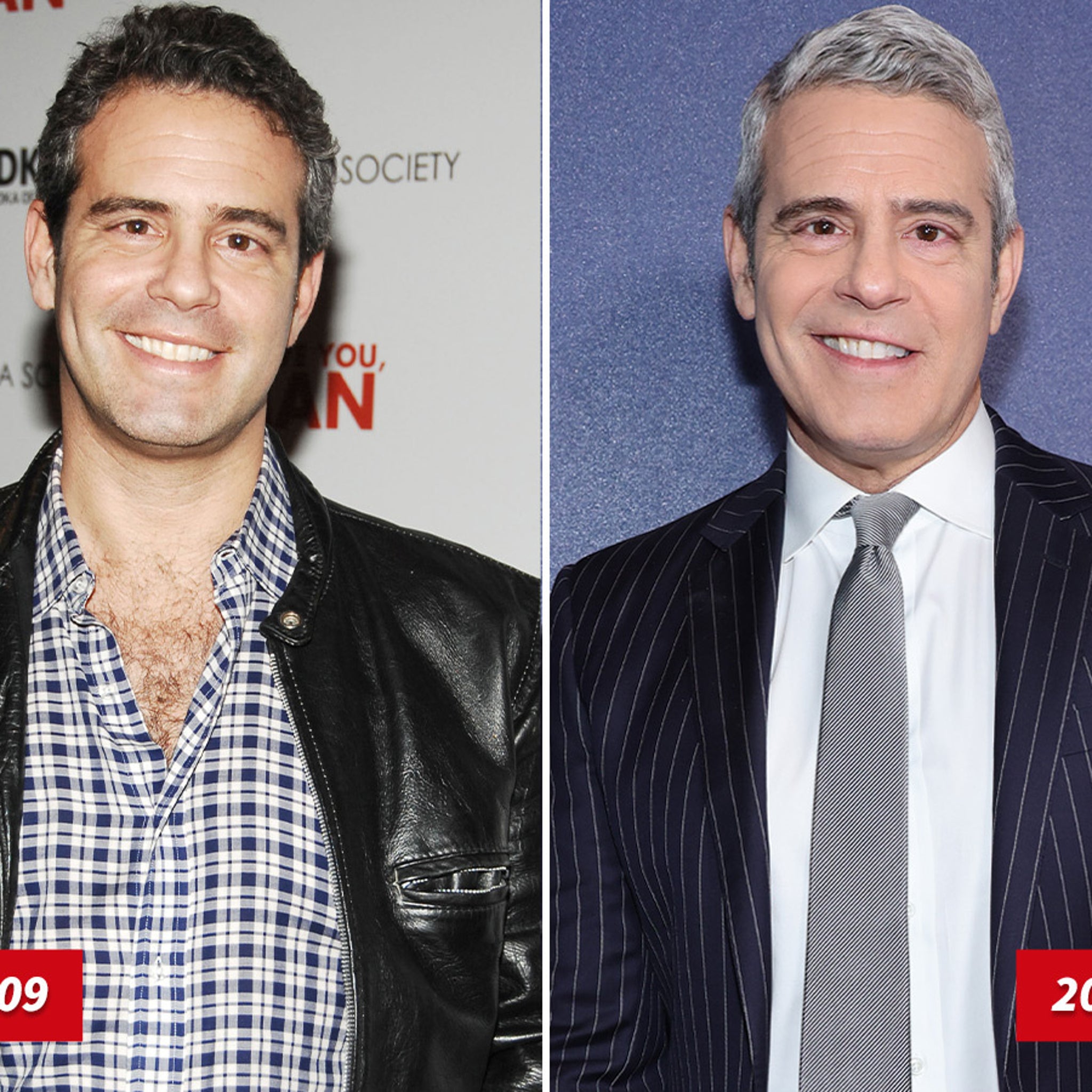
The Birth of the Clubhouse
What began in 2009 as Watch What Happens Live (WWHL)—broadcast once a week from a cramped studio—soon grew into a five-night-a-week cornerstone of Bravo’s evening lineup. The set, famously dubbed "The Clubhouse," felt like an intimate, alcohol-fueled living room where A-list movie stars, pop icons, and reality stars mingled on equal footing.
Owning the Format
By producing WWHL through his own banner, Most Talkative Unaffiliated Productions, Cohen gained maximum leverage. Hosting more than 150 episodes per year allowed him to negotiate lucrative long-term contracts with NBCUniversal. Today, his hosting duties alone are estimated to yield several million dollars annually, serving as the steady cash-flow engine that funds his broader investment portfolio.
Multi-Platform Diversification: Books, SiriusXM, and Brand Deals
Wealth preservation at the highest levels requires multiple unrelated income streams. Cohen has consistently reinvested his personal brand into media formats that require minimal overhead and offer high royalty yields.
- Publishing Imprint and Memoirs: Cohen authored multiple New York Times bestsellers, including Most Talkative, The Andy Cohen Diaries, Superficial, and The Daddy Diaries. In addition to earning significant royalties, he launched his own publishing imprint with Henry Holt and Company, titled Andy Cohen Books.
- SiriusXM’s Radio Andy: In 2015, Cohen inked a multi-year deal with SiriusXM to launch "Radio Andy," a dedicated entertainment and pop-culture channel. Not only does he host his own daily show, but he also programs the entire channel, creating executive-level revenue independent of NBCUniversal.
- Live Touring and Brand Partnerships: Partnering with close friend and CNN anchor Anderson Cooper, Cohen launched the successful multi-city speaking tour AC2: Deep Talk and Shallow Tales. Combined with lucrative brand alignments in lifestyle, spirits, and consumer goods, Cohen built an expansive commercial footprint outside traditional television.
Strategic Real Estate and Long-Term Wealth Management
High-earning media figures often fall victim to speculative ventures, but Cohen has historically focused on blue-chip tangible assets, particularly premier New York real estate.
Over the course of two decades, Cohen methodically acquired multiple adjoining units in a pre-war Greenwich Village building in Manhattan, assembling an expansive multi-story duplex tailored to his family's needs. In 2024, he listed the iconic combined West Village property for approximately $14 million after purchasing a stunning oceanfront parcel in the Hamptons (Amagansett) to construct a custom beach estate.
By treating real estate as a multi-decade store of value rather than a flipping exercise, Cohen has anchored his liquid entertainment earnings in resilient, high-equity physical property.
Key Business Takeaways from Cohen’s Career Playbook
Andy Cohen's path from a mid-level news producer to an entertainment mogul offers valuable lessons for modern media professionals and entrepreneurs:
- Prioritize Producer Credits Over Single Paychecks: By securing executive producer status on franchises with recurring seasons, Cohen established passive residual income streams that pay out regardless of his daily schedule.
- Bridge Executive Acumen with On-Air Personality: His understanding of ratings, demographics, and production costs made him an on-screen talent whom network heads could treat as a business peer rather than just an employee.
- Repurpose Your Audience Across Formats: Fans who watch Bravo follow him to SiriusXM, buy his hardcovers, attend his live stage shows, and consume his digital content, maximizing the lifetime value of his audience.
Andy Cohen’s ascent proves that enduring commercial success in media isn't just about capturing attention—it is about building the infrastructure that converts attention into equity.