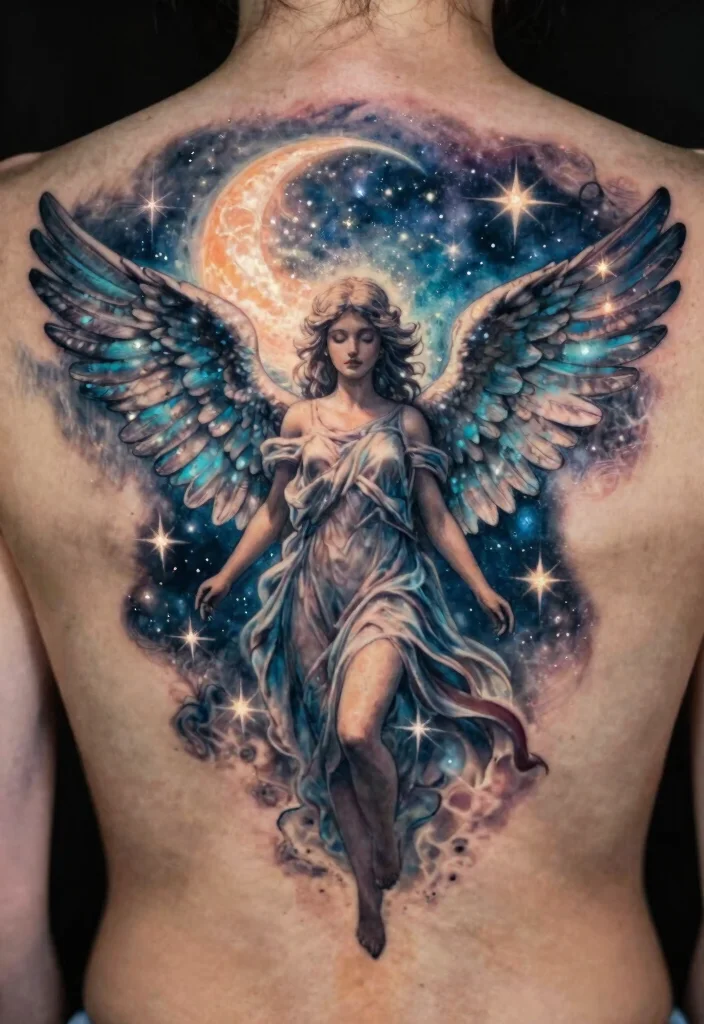
Angel Profile Pic: Innocent or Something Deeper?
When you scroll through your social media feeds, profile pictures act as the digital masks we wear to present ourselves to the world. You might see minimalist landscapes, humorous memes, stylish selfies, or perhaps a striking angel profile pic. At first glance, celestial imagery—cherubs, glowing wings, or Renaissance paintings of saints—often communicates purity, peace, and harmlessness. But in the nuanced world of online communication, digital symbols rarely have just one straightforward meaning.

Is choosing a celestial avatar purely innocent, or is it a sign of something deeper hiding beneath the surface? To understand why people choose these ethereal representations, we need to examine internet aesthetics, the psychology of online identity, and the various subcultures that have adopted heavenly iconography.
The Surface Appeal: Innocence, Aesthetics, and Spirituality
For many users, the motivation behind selecting a celestial avatar is straightforward. The most common associations with angels are goodness, light, protection, and beauty. Here is why many people adopt this look purely at face value:
- Aesthetic Trends: Platforms like TikTok, Instagram, and Pinterest frequently cycle through hyper-specific visual trends, such as "Coquette," "Y2K Angel," or dark academia. An angelic image often fits neatly into a soft, romanticized aesthetic.
- Personal Spirituality: Individuals with genuine religious or spiritual beliefs may use an angel to reflect their faith, personal values, or a sense of divine protection.
- A Desire for Anonymity: Many users prefer not to use photos of their real faces for privacy and safety reasons. Choosing an icon that feels soft and non-threatening allows them to participate in social spaces without exposing their identity.
In these instances, the profile picture is largely what it appears to be: a visually appealing, gentle representation of the user that avoids conflict and radiates a calm digital presence.
Is an Angel Profile Pic a Sign of Something Deeper?
While innocence is a common driver, digital communication is heavily layered with irony, subversion, and psychological projection. When you look beyond the glowing wings and golden halos, an angel profile pic can sometimes signal much more complex underlying traits or intentions.
The Irony and Subversion Factor
In modern internet culture, juxtapositions rule supreme. One of the most popular ways to use celestial imagery is ironically. A user with a saintly, innocent cherub as their avatar might simultaneously post edgy, sarcastic, or chaotic content.
This contrast creates a deliberate psychological gap between how the user wants to be perceived (harmless, sweet) and how they actually behave online (provocative, unfiltered, or meme-obsessed). In these cases, the picture acts as a playful camouflage.
Dark Academia and the "Fallen Angel" Persona
Not all angels in art and literature are pure. Figures like Lucifer—the morning star—represent rebellion, fall from grace, and intellectual pride. Users drawn to "Dark Academia" or gothic aesthetics often choose dark, brooding, or weeping angel statues for their avatars.
Video: Whatsapp Dp Photo Instagram Dpz For Girls/Profile Pics🎀Profile Images Instagram Profile Pic/Cute Dps
This choice usually points toward:
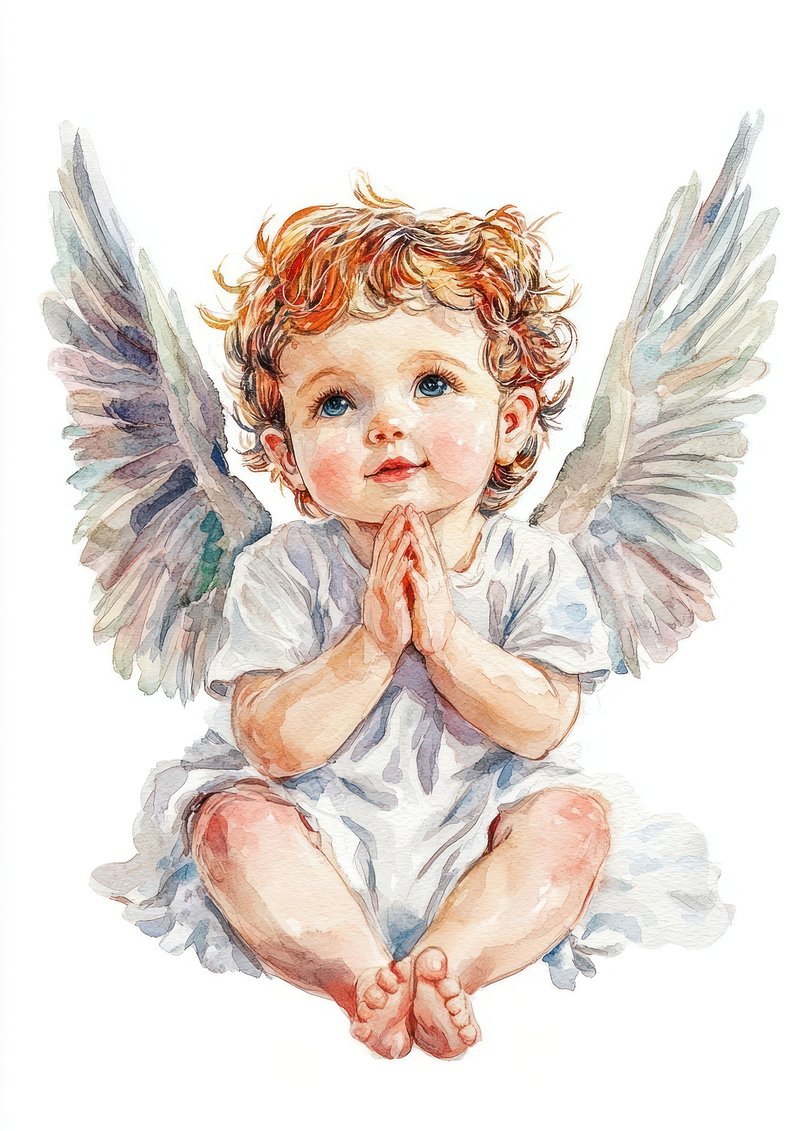
- An appreciation for classic literature, melancholy art, and philosophy.
- A desire to project a mysterious, intellectual, or slightly melancholic persona.
- An identification with the concept of the "fallen hero" or misunderstood outsider.
The Psychology of the Persona
According to psychological theories of online behavior, avatars function as digital extensions of the self. Choosing an exceptionally pure or divine symbol can sometimes be a form of impression management. It allows a person to curate a persona that feels untouchable, ethereal, or morally elevated.
Conversely, it can also stem from vulnerability. People who feel overwhelmed by the harshness of the internet may retreat into soft, celestial aesthetics as a form of digital self-soothing—creating a peaceful sanctuary where they interact with the world.
Context Matters: How to Read the Rest of the Profile
You cannot judge an avatar in a vacuum. To truly understand the meaning behind someone's choice of imagery, you have to look at the broader context of their profile.
Check the Bio and Tone
Read the user's bio and recent posts. Are they sharing uplifting quotes and poetry, or are they posting biting political commentary and shitposts? If the text matches the soft aesthetic of the image, the user is likely leaning into genuine innocence or peace. If there is a sharp contrast, you are likely looking at an ironic or edgy persona.
Examine the Specific Type of Imagery
The style of the art itself tells a story. A soft, pink-tinted anime angel communicates something very different than a high-resolution, Renaissance-era painting of a terrifying biblical ophanim (a wheel of eyes and fire). The more intense or obscure the imagery, the more likely the user is signaling niche internet subcultures or deep psychological introspection.
Conclusion
So, is an angel profile pic innocent, or a sign of something deeper? The answer is that it can easily be both. For some, it is simply a pretty, peaceful picture that protects their privacy and fits a current aesthetic trend. For others, it is a carefully calculated mask used for irony, a nod to gothic literature, or a reflection of complex spiritual identity.
Ultimately, digital spaces give us the freedom to present ourselves however we choose. Whether the person behind the halo is a gentle soul or an ironic internet native, their avatar remains a fascinating window into how they wish to be seen by the digital world.