Angie Towers Leak: Is Your Data Safe?
In the digital age, hearing about massive data breaches has unfortunately become routine. Recently, headlines have circulated regarding the Angie Towers leak, leaving many users, tenants, and digital citizens wondering about the security of their personal records. When a breach of this magnitude occurs, anxiety naturally follows. People want immediate answers to a critical question: Is YOUR information compromised? Check now!

Understanding the nature of these incidents helps you separate panic from practical action. In this guide, we will break down what is currently known about the Angie Towers leak, how to determine if your sensitive data was exposed, and the exact steps you should take to protect your identity moving forward.
What Do We Know About the Angie Towers Leak?
Data leaks generally occur when unauthorized parties gain access to restricted databases containing personally identifiable information (PII). While specific details regarding the origin and scope of the incident can shift as cybersecurity experts conduct forensic analyses, breaches of this type typically expose a combination of names, contact details, and sometimes financial or administrative records.
When a property management or residential database faces a security compromise, the fallout can impact current residents, former tenants, and applicants. Cybercriminals look for unencrypted data stores, outdated server software, or vulnerable third-party vendor integrations to siphon off valuable information that can be sold on underground forums or used for targeted phishing attacks.
Is YOUR Information Compromised? Check Now!

If you have a direct connection to the affected entity, verifying your exposure is the most important first step. Do not wait for a formal notification letter, as postal delays or logistical hurdles can leave you in the dark for weeks. Here is how you can check if your data was caught in the crossfire:
- Monitor Official Communications: Check your email inbox (including spam and junk folders) for any official security alerts or notifications from the organization managing Angie Towers. Legitimate notices will outline what data fields were accessed.
- Use Credible Breach Checkers: Input your primary email addresses into trusted, reputable breach monitoring platforms like Have I Been Pwned. While these tools track widespread public leaks, they serve as an early warning system if your credentials have surfaced online.
- Review Financial and Credit Statements: Log into your online banking accounts and credit card portals. Look closely for any unfamiliar subscription charges, micro-transactions, or suspicious login locations.
- Pull Your Free Credit Reports: Visit AnnualCreditReport.com to review your credit files from the major bureaus (Equifax, Experian, and TransUnion) for unauthorized lines of credit or loans opened in your name.
Immediate Steps to Secure Your Digital Footprint
If you suspect or confirm that your data was exposed in the Angie Towers leak, swift containment is your best defense against identity theft and financial fraud. Follow these actionable steps immediately:
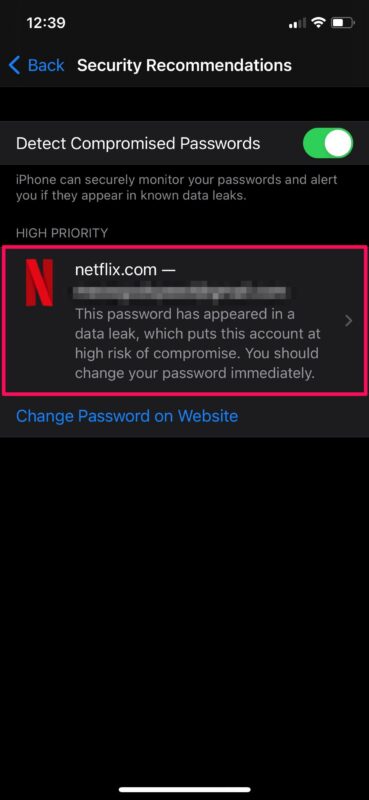
- Change Compromised Passwords: If you used the same password on the affected platform as you do for your email, banking, or social media accounts, update them all immediately. Enable multi-factor authentication (MFA) wherever it is available.
- Place a Credit Freeze: Contact the three major credit bureaus to place a free security freeze on your credit reports. This prevents lenders from opening new accounts in your name, even if cybercriminals have your Social Security number and date of birth.
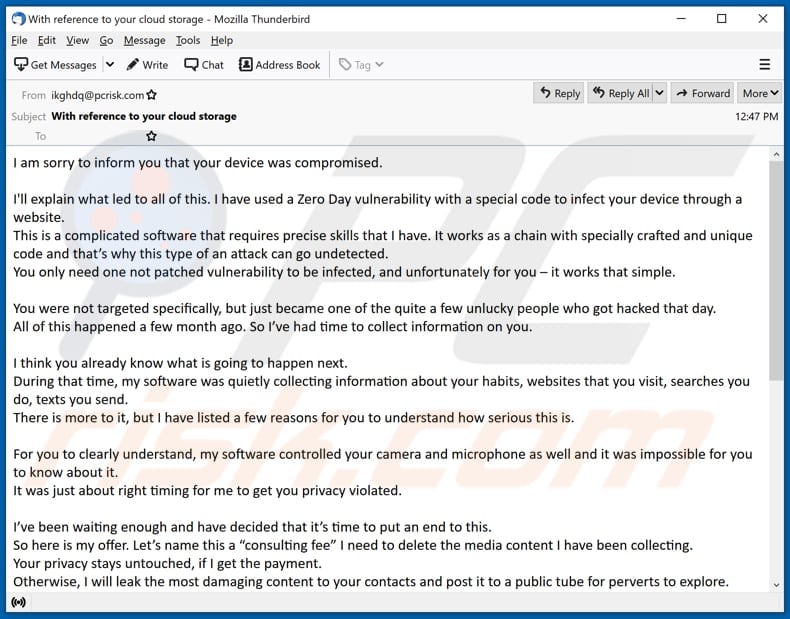
- Watch Out for Phishing Scams: Attackers frequently exploit data leaks by launching targeted phishing campaigns. They may send emails or text messages pretending to be support staff offering 'identity protection services.' Never click unverified links or share passwords.
- File a Report if Needed: If you notice unauthorized activity, report the incident to local law enforcement and file a complaint with the Federal Trade Commission (FTC) at IdentityTheft.gov.
Conclusion
Data security incidents like the Angie Towers leak serve as an unwelcome reminder of how fragile digital privacy can be. While you cannot always control how organizations store and protect your data, you can control your response. By staying vigilant, utilizing monitoring tools, and hardening your personal accounts with strong authentication methods, you can significantly reduce your risk and regain peace of mind.