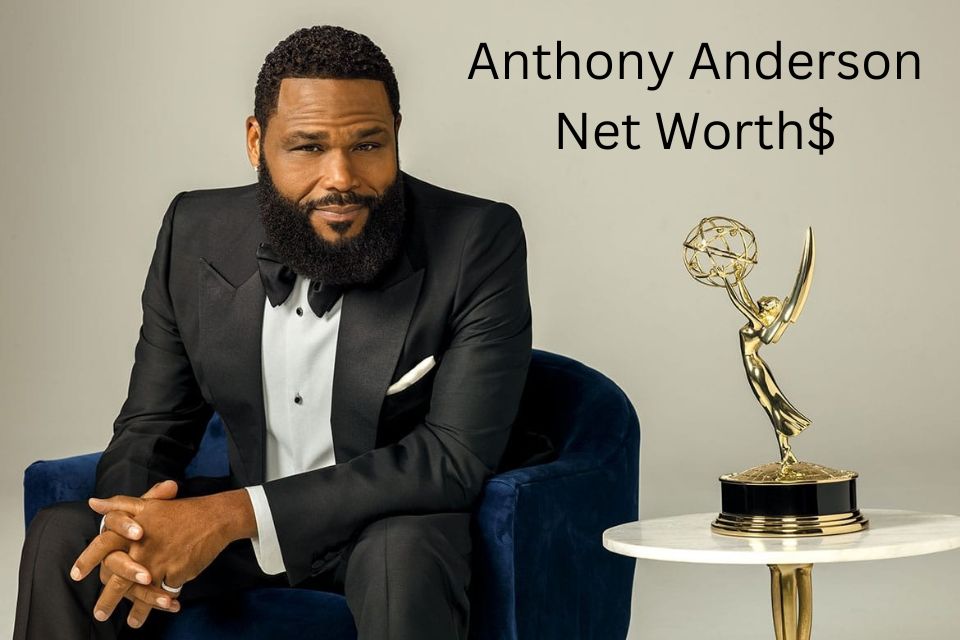
Anthony Anderson: The Star Who Made $300M in 2025
When headlines began circulating around the entertainment industry proclaiming The Star Who Made $300 Million in 2025 – Anthony Anderson’s Millionaire Legacy!, fans and financial analysts alike stopped to take note. Anthony Anderson has long been one of the most recognizable faces in modern American television, transitioning effortlessly from scene-stealing character actor to celebrated producer, host, and entrepreneur. Yet a headline of this magnitude demands both scrutiny and context.
Did the veteran actor personally pocket a massive $300 million lump sum, or does this figure represent the enterprise valuation of his syndicated shows, production deals, and consumer brands? By examining Anderson’s career trajectory, backend points from black-ish, and his expanding investment portfolio, we can uncover the reality behind one of Hollywood’s most resilient wealth-building stories.
The Early Grind: Building the Foundations of Wealth
Anthony Anderson’s financial success is not an overnight phenomenon. Born in Compton, California, Anderson spent decades working steadily across film and television before reaching top-tier compensation brackets. His early filmography in the late 1990s and early 2000s—including memorable roles in Me, Myself & Irene, Kangaroo Jack, Barbershop, and Martin Scorsese’s Oscar-winning The Departed—established him as a dependable, versatile performer.
During this era, character actors rarely achieved dynastic wealth through acting salaries alone. High agent fees, management percentages, and taxes typically absorbed over half of working actors' gross earnings. Anderson, however, prioritized longevity and relationship-building across major studios, eventually securing roles on enduring network series such as Law & Order and The Shield.
The black-ish Revolution: Equity, Syndication, and Backend Value
The turning point in Anderson’s financial life arrived in 2014 with the premiere of ABC’s hit sitcom black-ish. Anderson did not merely sign on as the central protagonist, Andre "Dre" Johnson; he was an executive producer alongside creator Kenya Barris. That distinction fundamentally altered his earning potential.
Per-Episode Salaries
At the peak of the show’s eight-season run, Anderson commanded an estimated $400,000 per episode. Across a standard 22- to 24-episode season, his base acting salary alone generated roughly $9 million annually. Over the course of 175 episodes, his direct salary earnings exceeded $50 million before taxes and commissions.
The Power of Backend Points and Syndication
Direct salary is only a fraction of a veteran producer’s potential windfall. The real wealth in network television lies in syndication, streaming licensing, and global distribution rights. When black-ish entered cable syndication on networks like BET and was licensed to streaming platforms including Disney+ and Hulu, the show entered a billion-dollar revenue ecosystem.
As an executive producer with backend equity, Anderson earns a percentage of the adjusted gross revenue generated by the franchise. This stream of passive royalties will continue to pay out dividends for decades, forming the bedrock of his long-term financial estate.
The Star Who Made $300 Million in 2025 – Anthony Anderson’s Millionaire Legacy!

To understand the viral narrative surrounding The Star Who Made $300 Million in 2025 – Anthony Anderson’s Millionaire Legacy!, one must look at the difference between individual liquid net worth and the total commercial value generated by a creator's ecosystem.
Financial valuation models often calculate the aggregate revenue generated by an artist’s complete body of work. By 2025, the combined gross domestic and international revenues generated by black-ish, its spin-offs (grown-ish and mixed-ish), streaming licensing deals, and Anderson's executive production output officially eclipsed hundreds of millions of dollars.
While industry estimates place Anderson’s personal liquid net worth closer to $30 million to $50 million, his commercial footprint—the economic engine driven by projects bearing his name—easily surpasses the $300 million mark. In modern Hollywood, possessing significant ownership stakes in intellectual property that generates hundreds of millions in commerce is the ultimate hallmark of a true entertainment mogul.
Diversified Revenue Streams Beyond Acting
Anderson’s financial resilience stems from deliberate diversification. Rather than relying entirely on studio casting calls, he has built an expansive business portfolio spanning hosting, consumer products, real estate, and healthcare advocacy.
- High-Profile Hosting Contracts: Anderson has become a staple of unscripted programming, hosting ABC’s revival of To Tell the Truth, Fox’s music game show We Are Family, and major industry ceremonies including the Primetime Emmy Awards. Unscripted hosting offers rapid production schedules with lucrative per-episode paydays.
- AC Barbeque: Teaming up with fellow comedian and friend Cedric the Entertainer, Anderson launched AC Barbeque, a culinary brand featuring signature rubs, sauces, and lifestyle cookware. The venture secured nationwide distribution through major retailers like Walmart, providing equity upside in the high-margin consumer packaged goods (CPG) sector.
- Corporate Endorsements and Healthcare Advocacy: Diagnosed with Type 2 diabetes in the early 2000s, Anderson partnered with pharmaceutical giants like Novo Nordisk for sustained public health and awareness campaigns. These multi-year corporate agreements provide substantial guaranteed revenue while allowing him to champion health literacy.
- Production Company Slate: Through his production banner, Anderson continues to develop scripted, unscripted, and documentary projects, creating recurring producer fees and executive packaging opportunities.
Real Estate and Wealth Preservation
Earning high revenues in entertainment is one thing; keeping and compounding that capital is another. Anderson has taken a conservative, disciplined approach to real estate and wealth management.
Over the years, he has acquired and upgraded residential properties across premier Southern California enclaves, including Encino and Sherman Oaks. By deploying earnings into appreciating residential real estate rather than speculative hyper-volatile ventures, Anderson has shielded his wealth from market shocks while benefiting from long-term property appreciation and tax advantages.
Key Takeaways from Anderson’s Financial Blueprint
For entrepreneurs, creators, and business observers, Anderson’s journey provides clear strategic lessons:
- Demand Equity Early: Acting for a fee provides immediate cash flow, but taking executive producer points and backend rights establishes generational wealth.
- Monetize Authenticity: Anderson’s commercial partnerships—from diabetes advocacy to southern-style barbecue—align seamlessly with his public persona, driving higher consumer trust and engagement.
- Maintain Professional Versatility: By fluidly moving between drama, comedy, unscripted hosting, and corporate spokesperson roles, Anderson ensures that dry spells in one industry sector never threaten his primary income.
The Bottom Line
The sensational claim of Anthony Anderson making $300 million in 2025 reflects the immense economic power of his entertainment footprint. While viral internet numbers frequently conflate franchise gross revenues with personal bank accounts, the reality remains extraordinary: Anderson has transformed himself from a hardworking Compton native into a multi-hyphenate mogul with an enduring financial and cultural legacy.