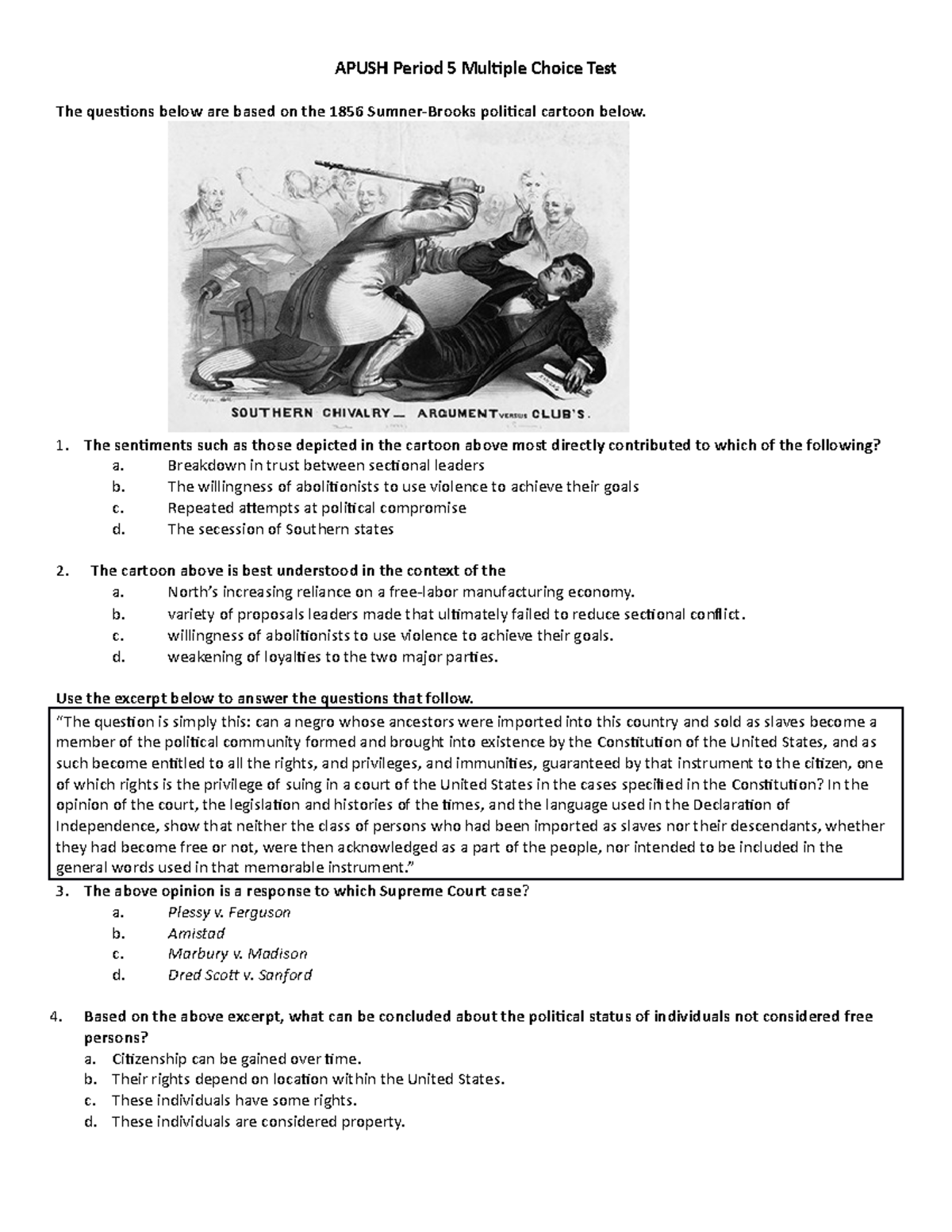
APUSH Unit 6 MCQ Practice: Ace Your Exam
Preparing for the AP United States History (APUSH) exam requires mastering both broad historical themes and specific analytical skills. Unit 6, which covers the period from 1865 to 1898 (commonly known as the Gilded Age), is heavily weighted toward industrialization, economic transformation, and social upheaval. Engaging in targeted APUSH Unit 6 MCQ practice is one of the most effective ways to test your comprehension and refine your test-taking strategy before exam day.

In this guide, we will break down what to expect from Unit 6 multiple-choice questions, highlight core historical concepts, and provide actionable tips for parsing stimulus-based prompts.
Understanding the APUSH Unit 6 Multiple-Choice Section
The APUSH exam begins with a multiple-choice section consisting of 55 questions in 55 minutes, accounting for 40% of your total score. Unit 6 typically represents roughly 10% to 15% of the exam content. Questions are rarely isolated trivia facts; instead, they are almost entirely stimulus-based.
A typical stimulus might be:
- An excerpt from Andrew Carnegie's "The Gospel of Wealth"
- A political cartoon by Thomas Nast criticizing political machines
- A statistical chart showing railroad mileage growth between 1870 and 1900
- A quote from a Populist Party platform
To succeed in your APUSH Unit 6 MCQ practice, you must learn to quickly analyze the source, contextualize it within the Gilded Age, and evaluate how the answer choices relate to broader historical developments.
Core Themes to Master for Unit 6 MCQs
Before jumping into practice questions, ensure you have a firm grasp of the major thematic arcs of the late 19th century. College Board frequently tests specific conceptual buckets:
1. Technological Innovation and Corporate Consolidation
The rise of big business fundamentally changed the American landscape. You should understand how the Second Industrial Revolution was fueled by steel, railroads, and electrical power. Key concepts tested include:
- Vertical and horizontal integration (pioneered by figures like Andrew Carnegie and John D. Rockefeller).
- Social Darwinism and its use to justify extreme wealth inequality and laissez-faire economic policies.
- The shift from a producer-led economy to a wage-labor, consumer economy.
2. Labor Unions and Immigration

Industrialization triggered massive demographic shifts. Questions often contrast the experiences of old versus new immigrants, urbanization patterns, and the struggles of organized labor:
- The Knights of Labor versus the American Federation of Labor (AFL).
- Major labor strikes, such as the Homestead Strike and the Pullman Strike, and the general government intervention siding with management.
- The growth of urban enclaves, tenement housing, and the rise of political machines like Tammany Hall.
3. The Westward Expansion and Agrarian Revolt
As the frontier closed, the federal government actively promoted westward expansion at the expense of Native American sovereignty. Simultaneously, farmers faced severe economic distress:
- The Dawes Severalty Act of 1887 and forced assimilation policies.
- The transcontinental railroad and federal land grants.
- The rise of the Populist (People's) Party, advocating for the free silver movement, railroad regulation, and direct democracy.
Effective Strategies for APUSH Unit 6 MCQ Practice
Answering APUSH multiple-choice questions correctly requires more than just memorizing dates; it demands critical thinking. Use these strategies during your study sessions:
- Read the prompt first: Before reading a lengthy excerpt, look at the attribution and the question itself. Knowing what the question is asking prevents you from getting bogged down in unnecessary details within the source text.
- Watch out for historical accuracy traps: Sometimes an answer choice states a fact that is historically true, but it does *not* answer the specific question asked by the prompt. Always tie the answer back to the stimulus.
- Identify chronological clues: If a question asks about a trend in the 1880s, eliminate answer choices that describe New Deal policies or Progressive Era reforms from the 20th century.
Sample Practice Concept Analysis
Consider how a stimulus question might appear on your test. Imagine an excerpt from an 1894 newspaper editorial condemning federal troops breaking up the Pullman Strike. A standard MCQ might ask you to identify the underlying cause of the labor unrest described in the text.
To answer correctly, you would need to connect the wage cuts enacted by the Pullman Palace Car Company during the Panic of 1893 to the broader economic instability of the Gilded Age. Practicing this level of connective thinking ensures you aren't caught off guard by unfamiliar documents on the actual exam.
Conclusion
Consistently engaging in APUSH Unit 6 MCQ practice bridges the gap between passive reading and active historical analysis. By focusing on the underlying mechanisms of the Gilded Age—such as industrial capitalism, labor resistance, and agrarian reform—you will build the confidence needed to interpret complex sources and eliminate distractors. Set aside time each week to review stimulus-based questions, analyze your mistakes, and watch your exam scores improve.