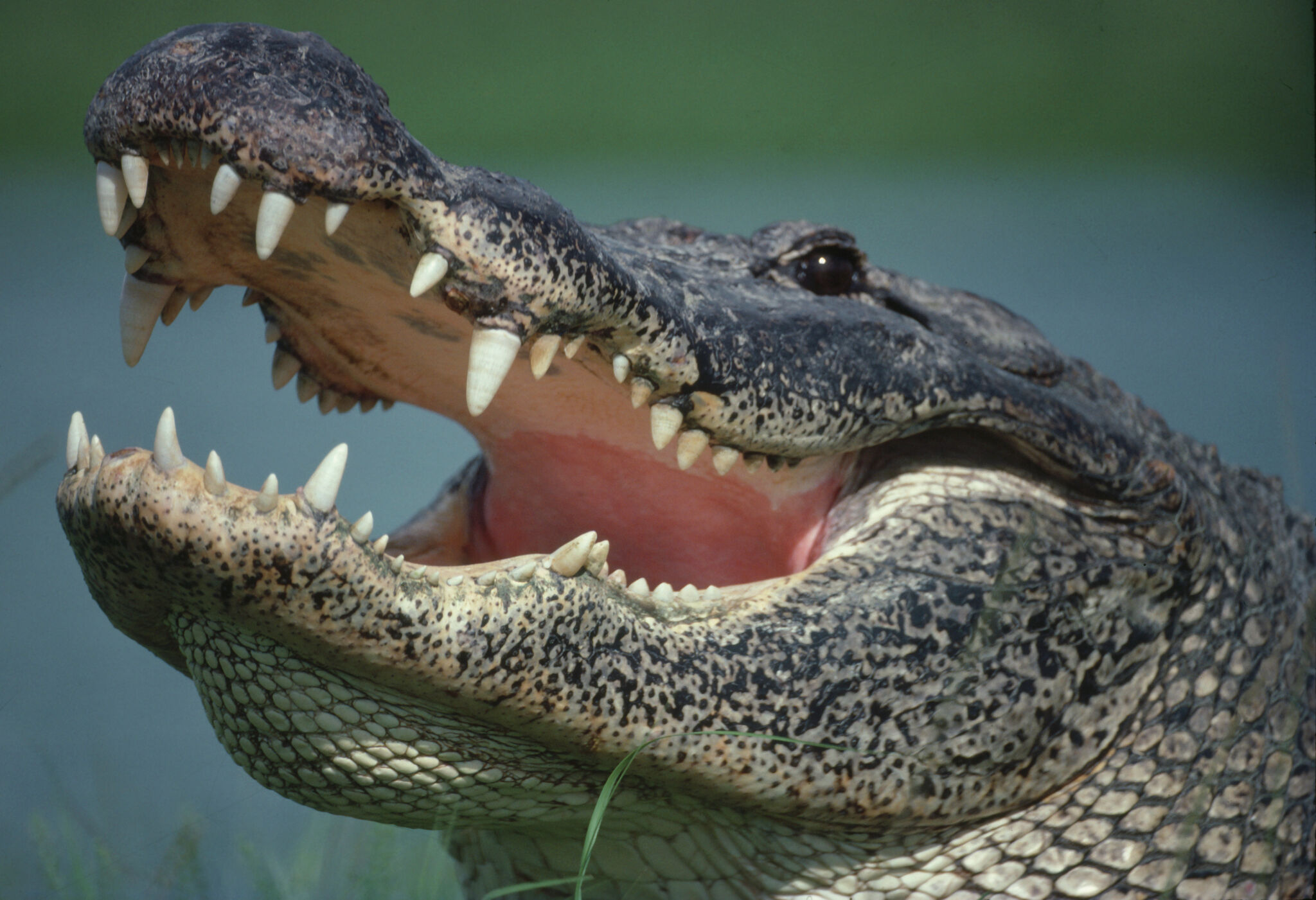
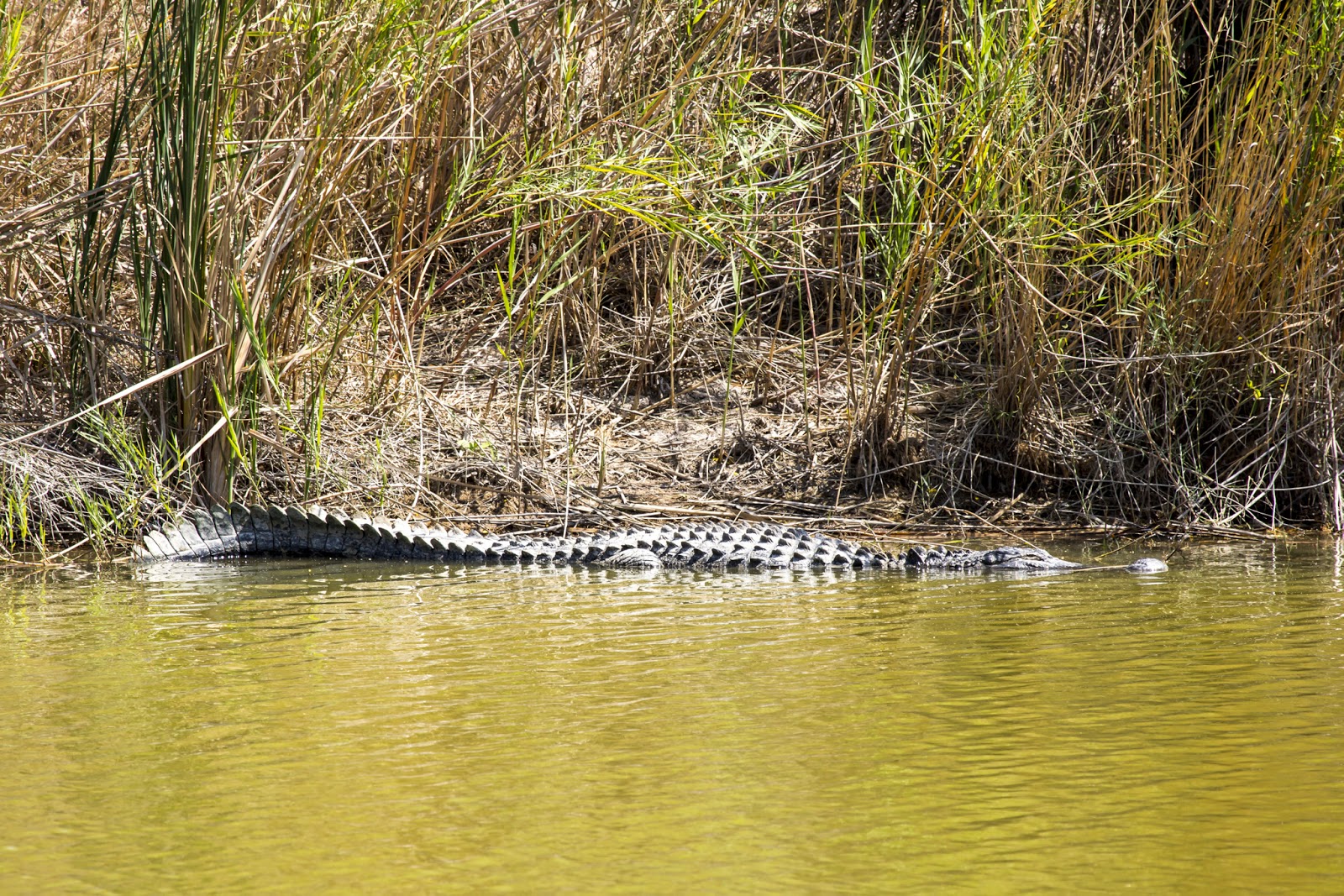
Are Alligators Native to the Rio Grande River?
When people think of the American Southwest and the rugged borderlands between the United States and Mexico, they often picture arid deserts, cacti, and fast-flowing canyon rivers. However, wildlife enthusiasts frequently wonder about the aquatic predators lurking in these southern waters. Specifically, **are alligators native to the Rio Grande River**?

The short answer is yes, American alligators are historically native to the lower reaches of the Rio Grande. However, their presence today is complex, shaped by historical hunting, habitat modification, and natural migration patterns. Understanding the relationship between alligators and the Rio Grande requires a look at both historical records and the modern ecological reality of the river.
The Historical Range of Alligators in Texas and Mexico
To understand whether alligators belong in the Rio Grande, we have to look back at the natural historical range of the American alligator (*Alligator mississippiensis*). These apex predators thrive in freshwater swamps, marshes, rivers, and the slow-moving portions of coastal estuaries.
Historically, the American alligator's range spanned the entire southeastern United States, stretching westward through the coastal marshes of Louisiana and deep into Texas. The eastern and southeastern coasts of Texas—such as the Sabine River, Trinity River, and Brazos River basins—have always supported robust alligator populations.
As you move further south toward the Gulf of Mexico and the mouth of the Rio Grande, historical accounts from early explorers and naturalists confirm that alligators did indeed inhabit the coastal swamplands and lower delta regions. The environment near Brownsville, Texas, and Matamoros, Mexico, historically offered the slow, marshy, and subtropical conditions that alligators favor.
Current Status: Are Alligators Native to the Rio Grande River Today?
While alligators are technically native to the lower basin of the Rio Grande, seeing one today is relatively rare compared to other river systems in East or Southeast Texas. Several factors influence where alligators live along this famous waterway:
- Geographic Range: Alligators are generally restricted to the lowest portions of the Rio Grande near the Gulf of Mexico. They do not naturally inhabit the upper or middle stretches of the river, which run through arid deserts and deep canyons far from the coast.
- Water Flow and Dams: Numerous dams, reservoirs, and water diversion projects alter the natural flow of the Rio Grande. These barriers can restrict animal movement and reduce the expansive wetland habitats that alligators require.
- Human Activity and Agriculture: Heavy water extraction for agriculture and urban development along the border has severely reduced the volume and quality of water in the lower Rio Grande, impacting local wildlife populations.
Because of these environmental pressures, the Rio Grande does not support the dense populations of alligators found in places like the Brazos River or the bayous of Louisiana.
Sightings and Wanderings: Do They Travel Far Upriver?
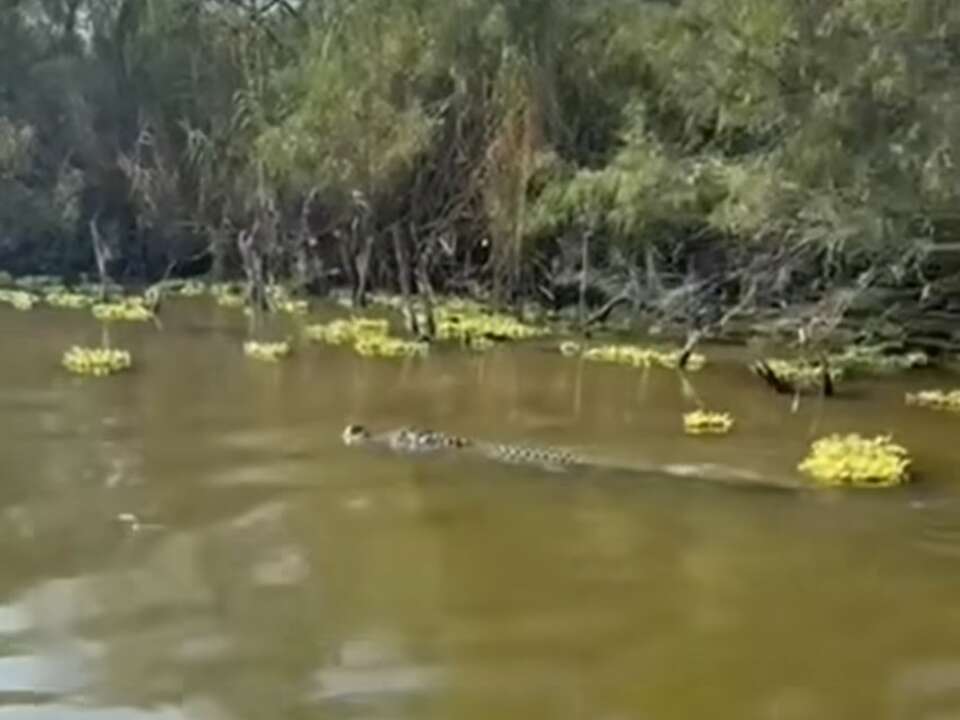
Despite the environmental challenges, occasional alligator sightings make headlines along various stretches of the Rio Grande. How do these animals get there if they aren't common?
The Role of Major Rain Events and Hurricanes
Alligators are remarkably resilient and can travel overland during heavy rains or flood conditions. Tropical storms and hurricanes frequently hit the Gulf Coast, bringing torrential downpours to South Texas and northern Mexico. These massive floods can displace alligators from private stock ponds, drainage ditches, or nearby coastal marshes, washing them into unexpected sections of the Rio Grande.
Stray Alligators from Neighboring Watersheds
Young alligators, known as juveniles, often leave their natal waters to find new territory and avoid dominant adults. During this dispersal phase, they can travel surprising distances through interconnected waterways, irrigation canals, and coastal estuaries, occasionally ending up in the lower Rio Grande system.
Coexisting with Rio Grande Wildlife
For residents, farmers, and outdoor enthusiasts recreating near the lower Rio Grande, encountering an alligator is entirely possible, even if it is uncommon. Texas Parks and Wildlife Department (TPWD) officials note that alligators are a natural part of the state's ecosystem and generally prefer to avoid human contact.
If you happen to spot an alligator near the Rio Grande, standard wildlife safety guidelines apply:
- Never feed alligators, as it conditions them to associate humans with food.
- Keep pets and small children away from the water's edge in known alligator habitats.
- Give the animal plenty of space and never attempt to harass or capture it.
- Remember that alligators are protected game animals in Texas, and it is illegal to kill, harass, or move them without proper authorization.
Conclusion
So, are alligators native to the Rio Grande River? Yes, they are historically native to the lower, marshy delta regions where the river meets the Gulf of Mexico. While you are unlikely to encounter a gator in the desert canyons of Big Bend, the lower reaches of the border river remain part of their natural historical territory. As conservation efforts continue and wetland habitats are monitored, these resilient reptiles remain a fascinating, if sporadic, part of the Rio Grande's diverse ecosystem.