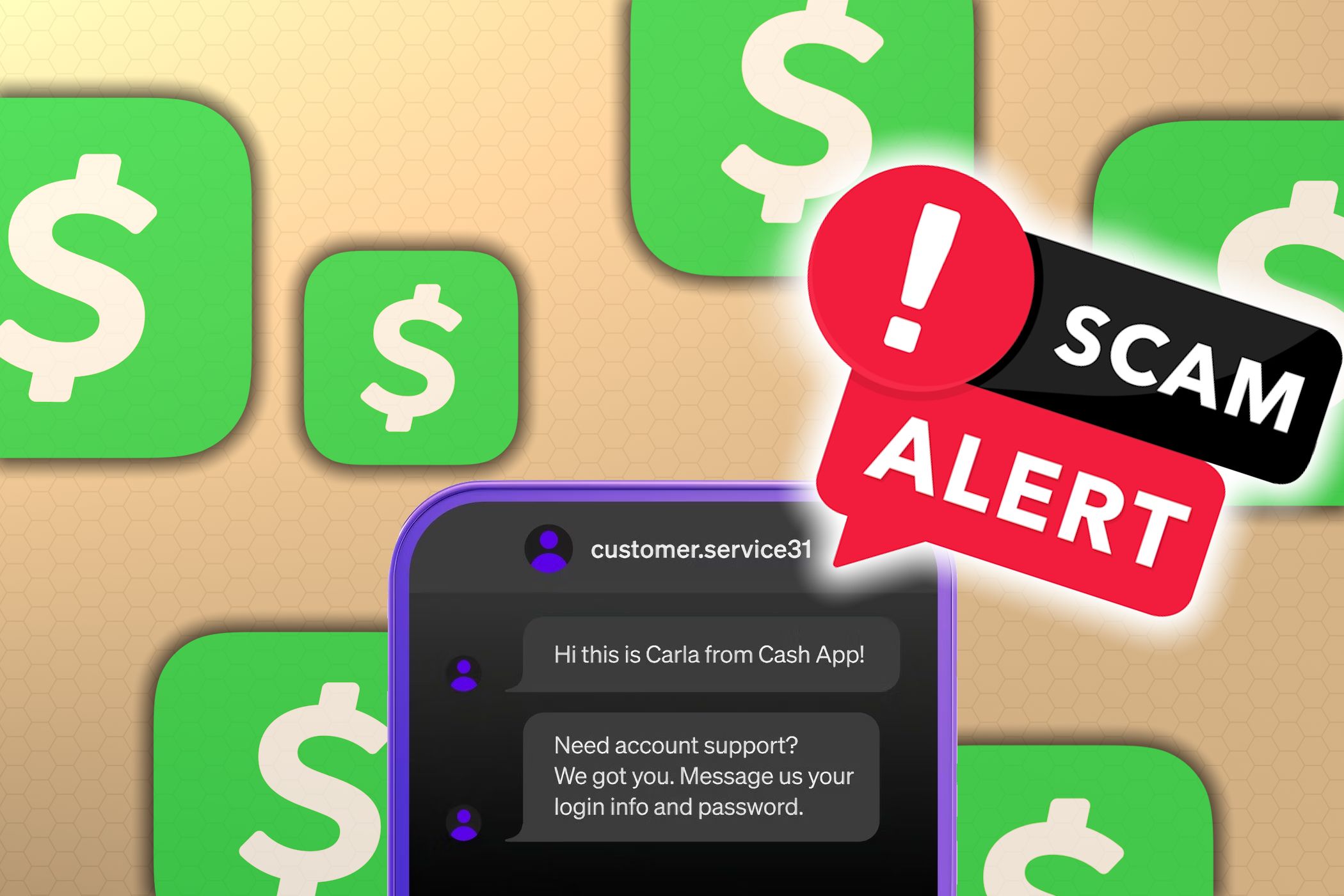
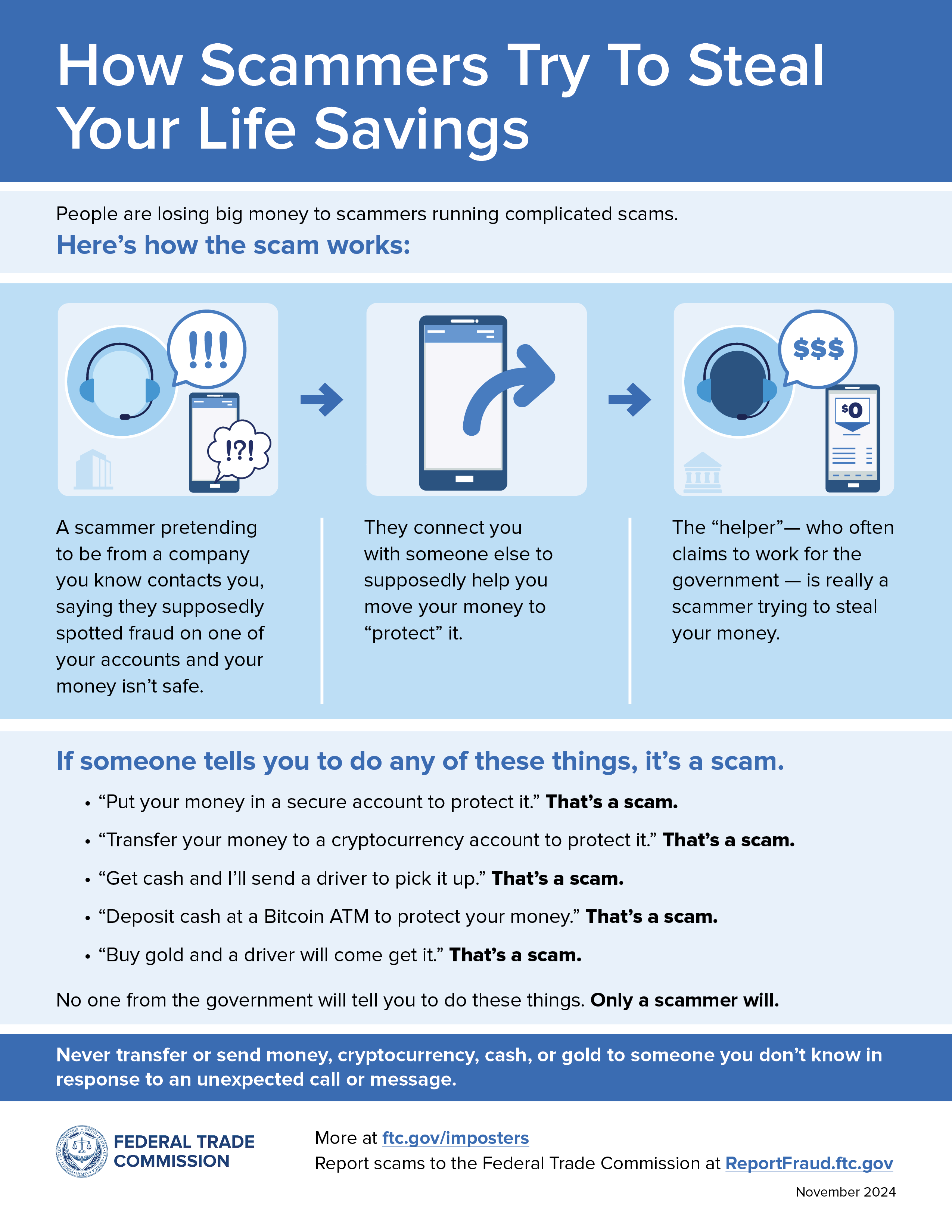
Are List Crawlers Near Me a Scam? The Truth
If you own a local business, chances are you have received an email, a cold call, or seen an ad promoting automated directory submission tools. Often searched as "list crawlers near me," these services promise to blast your business name, address, and phone number (NAP) across hundreds of online directories in a matter of hours. But before you hand over your credit card information, industry professionals are sounding the alarm. Are these services a golden ticket to local search visibility, or is it just another digital snake oil? Let's look behind the curtain to reveal the shocking truth.

Understanding What List Crawlers Actually Do
To understand the controversy, we first need to look at what these tools claim to do. In the world of search engine optimization (SEO), directories like Yelp, YellowPages, TripAdvisor, and Apple Maps act as trust signals. Search engines look at your presence across the web to verify that your business is legitimate.
Legitimate local SEO platforms (such as Moz Local, BrightLocal, or Yext) help synchronize your data across major data aggregators. However, shady operators have latched onto the buzzwords of "list crawlers near me" to sell low-quality, automated scraping and submission software. These programs claim to automatically "crawl" the web and submit your business to thousands of low-tier, unverified directory websites.
Are They a Scam? The Fine Line Between Fraud and Ineffectiveness
Strictly speaking, not every company selling these services is running an outright criminal enterprise. However, many operate in a gray area that amounts to a scam because of what they don't tell you.
1. The Myth of Quantity Over Quality
The primary pitch of these services is sheer volume: "Get listed on 500+ directories instantly!" To an inexperienced business owner, this sounds amazing. In reality, modern search engines like Google and Bing completely ignore hundreds of spammy, low-quality directories. Getting listed on obscure, unmoderated sites does nothing for your rankings. In fact, it can sometimes hurt your digital footprint.
2. The Danger of Citation Pollution

Automated crawlers often lack nuance. If your business name has a slight variation—for instance, using "Co." instead of "Company"—an automated tool might create duplicate listings across the web. Fixing inconsistent citations requires manual cleanup, which can cost more time and money than the initial submission service saved you.
3. Hidden Recurring Fees and Trap Subscriptions
Many companies offering local crawler services rely on a subscription model. Once your listings are pushed out (often to sites nobody visits), you are locked into a monthly fee just to keep those zombie listings alive. If you cancel, some services threaten to remove your data or revert your profiles back to incorrect information.
Signs You Are Dealing With a Shady Directory Service
If you are currently evaluating a local marketing agency or software tool that promises instant directory dominance, watch out for these red flags:
- Aggressive High-Pressure Sales Tactics: Claims that your Google listing will be deleted or suppressed unless you buy their service immediately.
- Vague Reporting: Providing lists of thousands of directory links that turn out to be broken, parked, or entirely unrelated to your industry.
- No Focus on Core Platforms: Ignoring the platforms that actually matter—like Google Business Profile, Apple Maps, Yelp, and Facebook—while obsessing over unknown directories.
- Robocalls and Spam Emails: Reputable SEO agencies rarely pitch automated directory blasts through unsolicited robocalls.
How to Handle Local Citations the Right Way
You don't need a shady automated crawler to build a strong local presence. Local SEO requires a strategic, deliberate approach rather than a mass-blast technique. Follow these steps to build your citations safely:
- Claim the Big Four First: Ensure your profiles on Google Business Profile, Apple Maps, Bing Places, and Yelp are 100% complete, verified, and accurate.
- Focus on Industry-Specific Directories: If you run a restaurant, get on TripAdvisor and OpenTable. If you are a contractor, focus on Houzz or Angi. These niche directories carry far more weight with customers and search engines than generic directory #482.
- Use Trusted Aggregators Selectively: If you want broader distribution, use reputable data aggregators (like Data Axle or Neustar Localeze) through established platforms rather than fly-by-night crawler services.
The Verdict
While the marketing pitch behind "list crawlers near me" sounds like an easy shortcut to local SEO success, the reality is far more disappointing. Most of these services offer little to no real value, relying instead on buzzwords to charge business owners for useless directory submissions. Save your marketing budget, focus on the platforms where your actual customers search, and build your local authority the honest way.