Are You Making These Mistakes with Ocean Chords on Piano?
Few sounds on the keyboard are as evocative as ambient, rolling harmony that evokes the ebb and flow of tidal waters. However, are you making these common mistakes with ocean chords on piano? Many players sit down hoping to craft lush, cinematic atmospheres reminiscent of Ludovico Einaudi, modern film scores, or ambient worship pieces, only to end up with a muddy, clunky wall of sound.
Mastering ocean chords on piano requires far more than holding down the sustain pedal and rolling through basic triads. It demands intentional voicings, delicate dynamic contouring, and precise footwork. If your playing sounds congested rather than expansive, review these common pitfalls and learn how to transform your technique.
What Exactly Are Ocean Chords on Piano?
In contemporary piano pedagogy, "ocean chords" refers to a style of playing characterized by rolling, wave-like arpeggios, open-interval voicings, and ambient dynamic swells. Musically, these arrangements rely heavily on:
- Suspended chords (sus2 and sus4): Removing the definitive pull of the major or minor third creates an unresolved, floating quality.
- Add9 and major 9th voicings: Adding the second degree an octave higher introduces subtle shimmer without harmonic dissonance.
- Open fifths and tenths in the left hand: Spreading root notes across wider intervals avoids low-end clutter.
- Dynamic ebb and flow: Imitating physical ocean waves through gentle crescendos and decrescendos.
Are You Making These Common Mistakes with Ocean Chords on Piano?
Even experienced pianists can stumble when transitioning from classical or pop accompaniment styles into ambient, fluid chord progressions. Here are the most frequent errors that disrupt the ocean aesthetic.
1. Drowning the Sound in Muddy Sustain Pedaling
The single greatest offender in ambient piano playing is improper sustain pedal technique. Many players assume that because ocean chords should sound continuous, the sustain pedal should remain pressed through multiple harmonic shifts. The result is an indistinct acoustic haze where overlapping frequencies clash violently.
When playing lower-register bass notes, low frequencies take longer to decay and carry significant energy. Holding the pedal across a chord shift (such as moving from a G major to an A minor) causes the bass overtones to bleed together into acoustic mud.
The Fix: Practice fractional pedaling and strict synchronized clearing. Clear the pedal precisely at the instant your fingers strike the new bass note, then catch the sound immediately after. This creates an unbroken, legato illusion while keeping the harmonic palette pristine.
2. Stacking Dense Thirds in the Lower Register
In standard pop or classical arranging, root-position triads (Root - Third - Fifth) are standard. However, placing a major or minor third anywhere below Middle C introduces acoustic roughness due to the harmonic series.
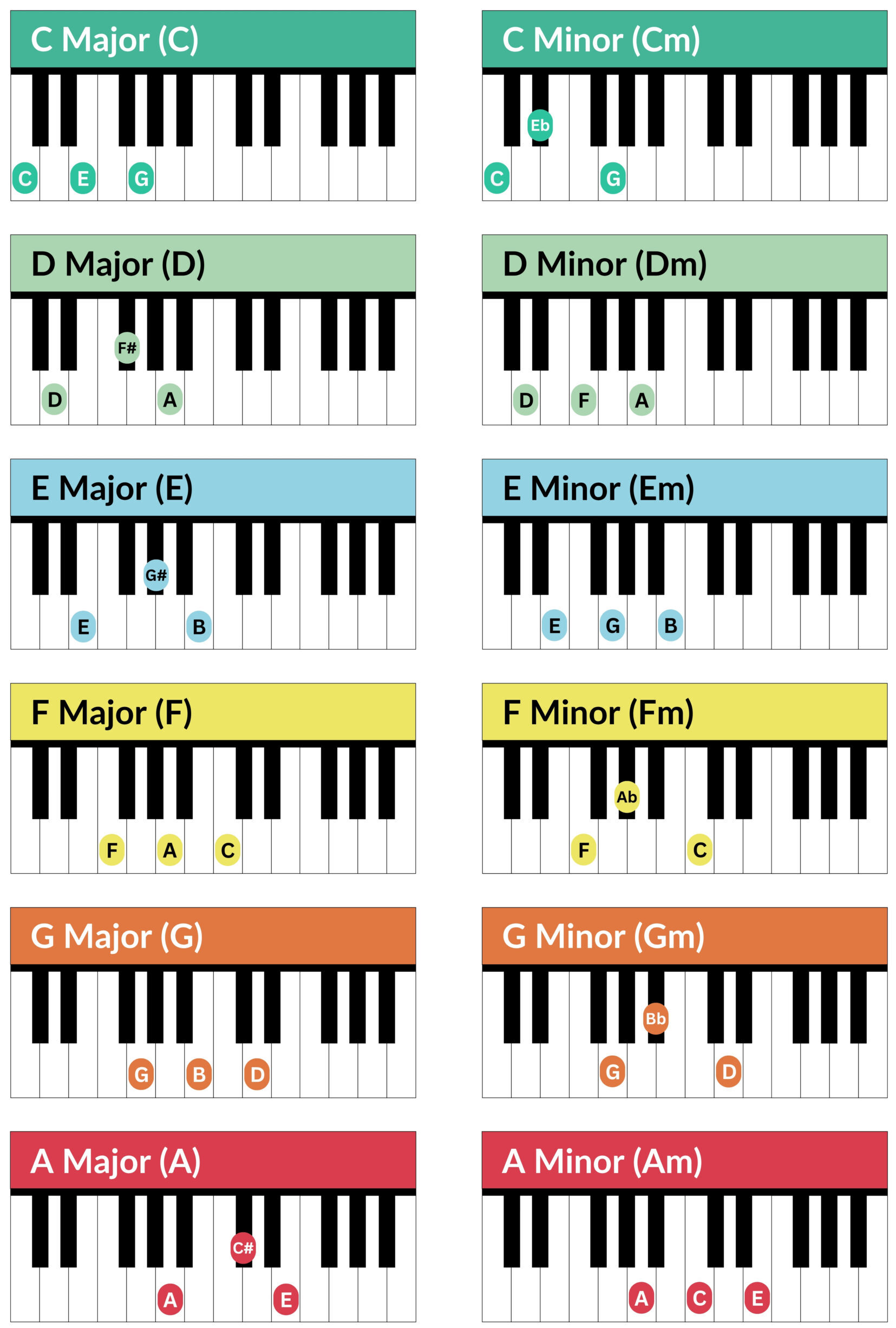
Ocean chords need transparency. When you play a closed C major chord (C3 - E3 - G3) low on the piano, the interval between C and E creates dense interference. Instead of feeling spacious like an open sea, the harmony feels heavy and grounded.
The Fix: Keep your left hand hollow and open. Rely on wide intervals such as 1-5-8 (Root, Fifth, Octave) or 1-5-9 (Root, Fifth, Ninth). Reserve your thirds, sevenths, and upper color extensions for the register above Middle C, where higher frequencies can ring out cleanly.
3. Playing Robotic, Flat Dynamics Instead of Dynamic Swells
Waves in the ocean do not move in fixed, mechanical grids; they swell, crest, break, and recede. A frequent error when practicing rolling left-hand arpeggios is hitting every key with uniform velocity.
When an arpeggio pattern like Root - Fifth - Octave - Ninth is played metronomically and at a flat volume, the performance sounds like a synthetic sequencer rather than an organic acoustic instrument.
The Fix: Shape every measure dynamically. As your hand ascends the keyboard, incorporate a subtle crescendo; as your hand rolls back downward to the root note, pull back into a gentle decrescendo. Allow natural micro-rubato—a slight elongation of the cresting note—to mimic the suspension of a wave before it collapses.
4. Root-Bound Voice Leading Without Stepwise Bass Flow
Jumping erratically between root-position chords ruins the continuous, drifting nature of ambient music. If your progression moves from C major to F major to G major by leaping your left hand across large intervals, your chord transitions will sound abrupt and jarring.
The Fix: Implement slash chords (inversions) and stepwise motion in the bass. Instead of leaping from C down to F, try walking down the bassline: C → C/B → Am7 → C/G → Fsus2. Stepwise bass movements provide a smooth current that carries the listener naturally from one harmonic texture to the next.
5. Overcomplicating the Right-Hand Melody
Because the left hand in ocean chord playing is typically busy with undulating arpeggios, overcrowding the right hand with rapid melodic lines creates auditory chaos. Pianists often feel the urge to fill every beat with melodic movement, which destroys the meditative spaciousness that defines the genre.
The Fix: Embrace minimalism. Use simple, recurring motifs using pentatonic or modal scales. Let single sustained notes float above the rolling left-hand texture. Sometimes holding a single ninth or fifth across two measures while the left hand undulates underneath creates a significantly stronger emotional impact than an intricate melody.
How to Master the "Ocean Wave" Left-Hand Pattern
To eliminate stiffness and establish fluid movement, integrate the 1 - 5 - 9 - 10 roll into your daily practice routine. This specific interval framework forms the foundation of modern ambient piano voicings.
- The Construction: In the key of C, play C2 (pinky), G2 (index finger), D3 (thumb), and reach up to E3 (crossing over with your index finger or pivoting the wrist).
- The Wrist Motion: Never stretch your fingers rigidly to reach all four notes simultaneously. Instead, maintain a supple wrist and rotate laterally across the keys like a wave rolling onto shore.
- The Weight Transfer: Drop natural arm weight into the low root note to create a warm, resonant foundation, then lighten your touch as your wrist glides up toward the 9th and 10th.
Pedaling and Voicing Rules for Crystal-Clear Resonance
Keep this quick reference guide in mind whenever you arrange or improvise atmospheric chord progressions:
- Low register rule: No intervals smaller than a fifth below C3.
- Pedal rule: Clear on the beat of the harmonic change, not before or after.
- Color rule: Replace standard major triads with add9 or sus2 chords to strip away rigid musical resolution.
- Touch rule: Play the lower bass notes warm and round, while keeping the rolling mid-register notes delicate and muted.
Frequently Asked Questions
What chord progressions work best for ocean-style piano?
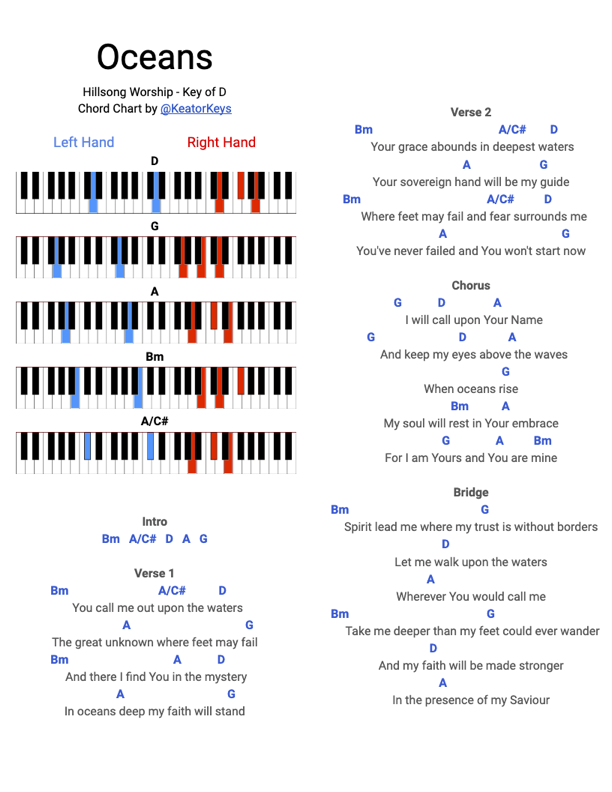
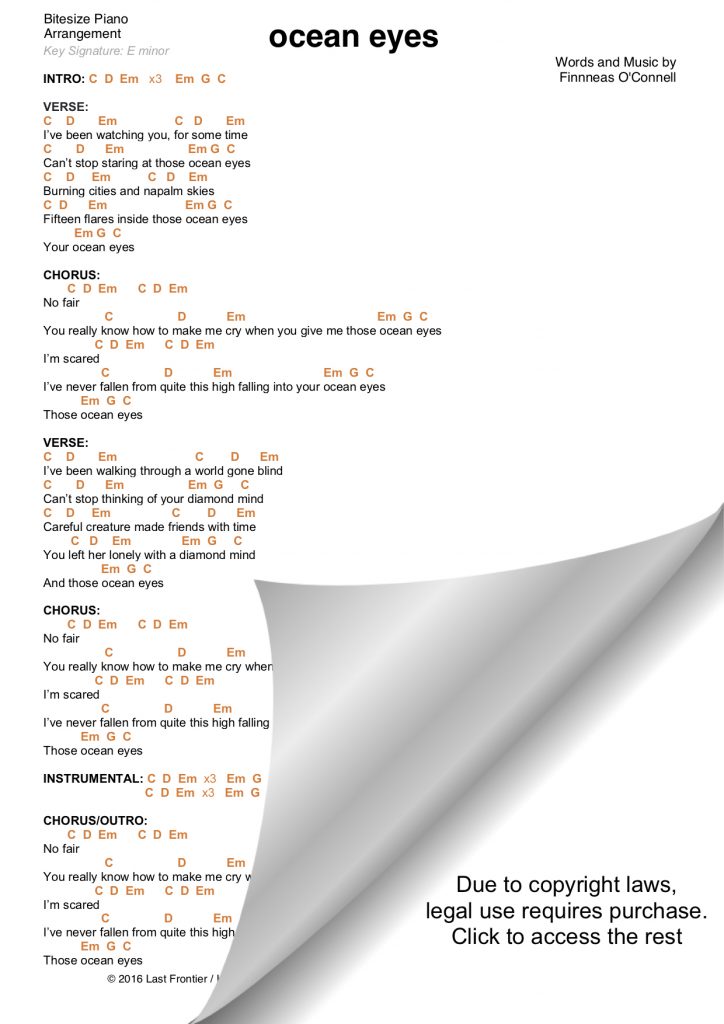
Progressions that avoid strong dominant-to-tonic cadences work best. Try using the vi - IV - I - V progression (e.g., Am7 - Fsus2 - C - Gsus4) or a simple two-chord vamp such as Cmaj9 to Fmaj7(#11). Avoiding hard resolutions keeps the musical texture floating and unresolved.
Can I play ocean chords on a digital keyboard without weighted keys?
While possible, non-weighted keys make controlling micro-dynamics and velocity significantly harder. A fully weighted, hammer-action keybed allows you to drop arm weight into the deep bass notes while lightly grazing the higher notes, which is vital for achieving wave-like dynamic contrast.
How do I stop my left hand from fatiguing during long arpeggios?
Tension and fatigue occur when pianists try to stretch their fingers across wide spans. Avoid stretching your fingers apart. Instead, keep your hand in a relaxed, compact shape and let your wrist guide your hand laterally across the keyboard. Your arm should move your fingers to the keys, not vice versa.