Arkansas Fatal Crash Guide: Reports, Laws & Next Steps
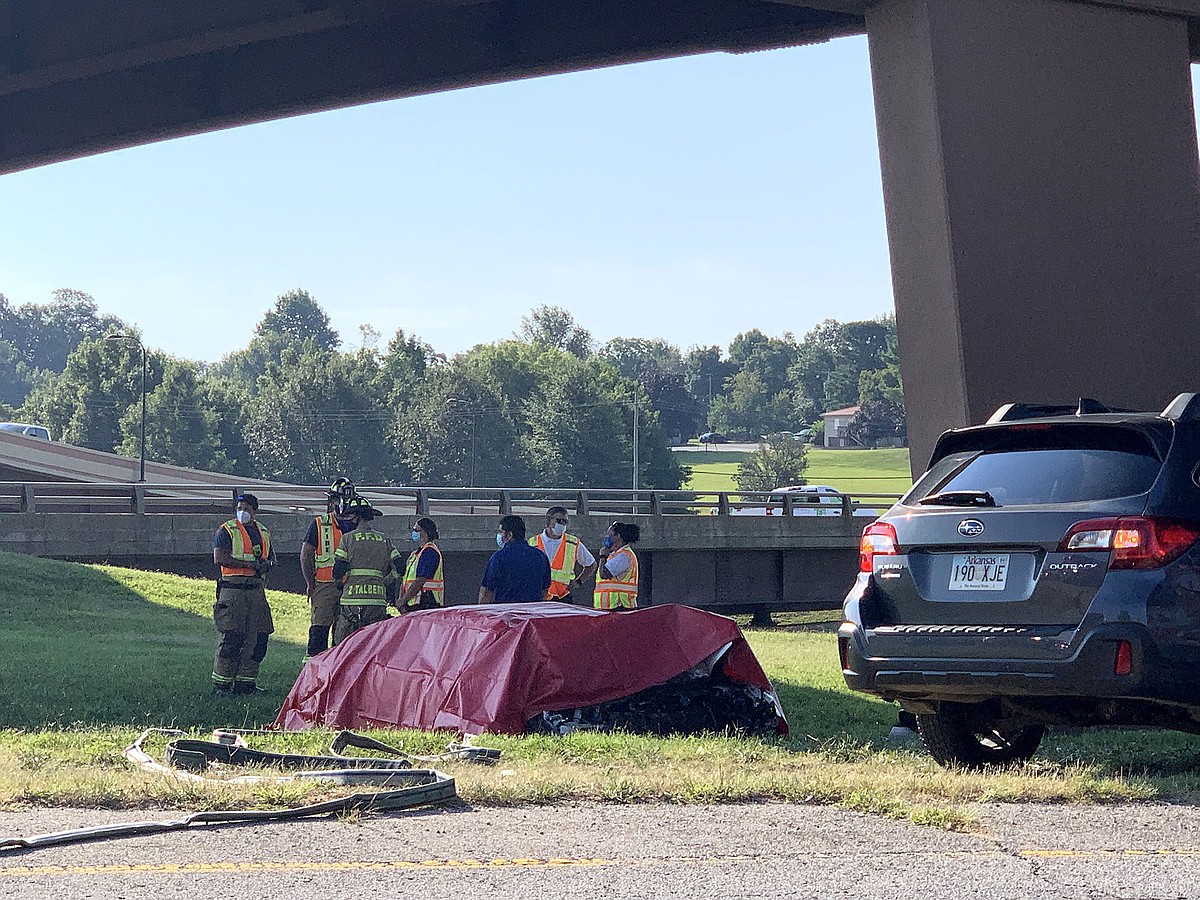
Coping with the sudden aftermath of an arkansas fatal crash is one of the most overwhelming experiences a family can endure. Beyond the profound personal grief, surviving relatives must quickly confront urgent administrative and legal challenges: securing law enforcement records, managing medical and funeral expenses, and navigating complex insurance policies. Knowing the state’s investigative processes, report retrieval systems, and statutory rights can bring clarity during a difficult period.
How to Access Official Arkansas Fatal Crash Reports
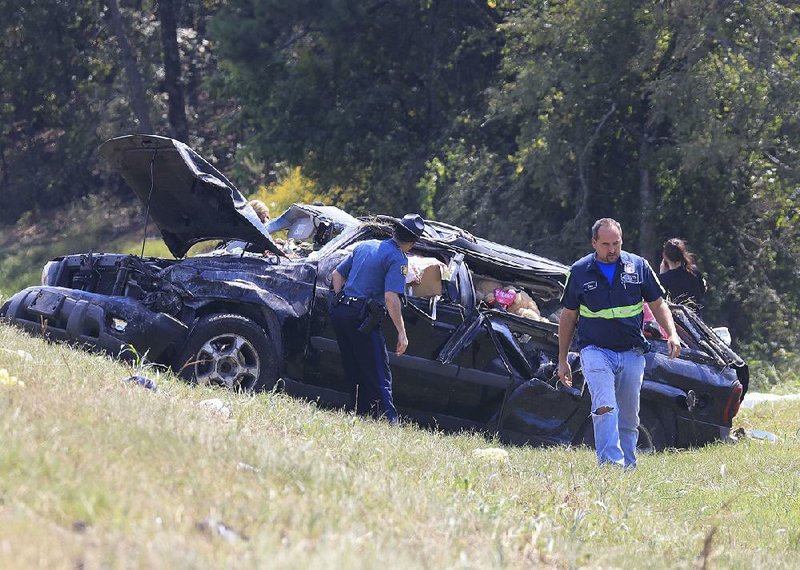
Following a fatal collision, law enforcement conducts an extensive investigation. In Arkansas, fatal crashes occurring on state highways and rural county roads are primarily investigated by the Arkansas State Police (ASP), while municipal police departments or county sheriff's offices handle incidents within city limits or specific jurisdictions.
1. Arkansas State Police Fatal Crash Summaries
The Arkansas State Police maintains a publicly accessible, preliminary online portal known as the Fatal Crash Summary database. These summaries are typically updated within 24 to 72 hours of an incident and provide basic, initial findings, including:
- Names, ages, and hometowns of the deceased and injured individuals
- Date, time, and specific location (e.g., highway mile marker or intersection)
- County of occurrence and responding law enforcement agency
- Brief description of vehicle movements and environmental conditions
Note: These summaries are preliminary and subject to change as collision reconstructionists complete their investigations.
2. Ordering the Certified Arkansas Motor Vehicle Crash Report
While the preliminary summary gives immediate context, an official, certified Arkansas Motor Vehicle Crash Report is required for insurance settlements, probate proceedings, and wrongful death claims. You can request a complete report through two primary methods:
- Online via the ASP Portal: The Arkansas Department of Public Safety partners with third-party vendors (such as the LexisNexis BuyCrash platform) to distribute crash records electronically. You will need the report number, driver's name, date of incident, or vehicle identification number (VIN).
- By Mail or In Person: Submit an official request to the Arkansas State Police Crash Records Section in Little Rock, accompanied by the statutory processing fee (typically $10.00) and proof of representation or direct involvement.
Key Factors in Arkansas Fatal Collisions
Arkansas consistently ranks higher than the national average for traffic fatality rates per 100 million vehicle miles traveled, according to the National Highway Traffic Safety Administration (NHTSA) and the Arkansas Department of Transportation (ARDOT). Several factors contribute heavily to these severe crashes:
- Rural Road Dynamics: Over half of Arkansas's traffic fatalities occur on rural, two-lane highways such as US-65, US-67, and US-71. These roads often lack median dividers, have minimal shoulders, and feature sharp curves with limited visibility.
- Commercial Truck Traffic: Major freight corridors—most notably Interstate 40 and Interstate 30—see heavy tractor-trailer congestion. Collisions involving commercial motor vehicles (CMVs) carrying cargo at highway speeds often result in catastrophic injuries.
- Impaired and Distracted Driving: Alcohol and drug impairment remains a leading cause of fatal incidents, alongside driver distraction involving mobile devices, despite strict state hands-free laws for commercial drivers and novice operators.
- Seatbelt Compliance: A significant percentage of motor vehicle fatalities in Arkansas involve unrestrained drivers or passengers, which significantly increases the likelihood of ejection from the vehicle.
Understanding Arkansas Wrongful Death Laws
When a person dies due to another party's negligence, recklessness, or intentional misconduct, Arkansas law provides a legal framework to hold the liable parties accountable and secure financial support for surviving dependents.

Who Has Standing to File?
Under the Arkansas Wrongful Death Act (Ark. Code Ann. § 16-62-102), a wrongful death claim cannot simply be filed by any relative. The law specifies a clear order of standing:
- The Personal Representative: If the deceased left an estate, the court-appointed personal representative (executor or administrator) must bring the action on behalf of all statutory beneficiaries.
- Heirs at Law: If no personal representative has been appointed, the action may be brought by the “heirs at law”—typically the surviving spouse, children, parents, or siblings.
Recoverable Damages in Arkansas
Arkansas allows recovery for two distinct categories of damages arising from a fatal crash:
- Estate Claims (Survival Actions): Compensation for the deceased person’s own losses between the moment of impact and their passing, including conscious physical pain, mental suffering, pre-death medical expenses, and funeral/burial costs.
- Beneficiary Claims (Wrongful Death): Compensation for the losses suffered by surviving family members, including the loss of financial contributions, loss of household services, loss of parental guidance or spousal consortium, and damages for extreme mental anguish.
- If the deceased driver is found to be 49% or less at fault, the surviving family can still recover damages, but the total award is reduced in proportion to their percentage of fault.
- If the deceased is found to be 50% or more at fault, the family is completely barred from recovering compensation from the other party.
- Preserve Physical and Digital Evidence: Ensure the vehicles involved are not crushed, repaired, or altered before an independent inspection can occur. In commercial vehicle crashes, request preservation letters to protect electronic logging device (ELD) records, event data recorders (“black boxes”), and dashcam footage.
- Be Cautious With Insurance Adjusters: Insurance representatives often reach out quickly to offer rapid settlements before the full scope of damages is known. Never provide recorded statements or sign liability releases without independent legal counsel.
- Open a Probate Estate: Work with an attorney to open a probate estate in the county where the deceased resided, allowing the court to formally appoint an administrator to represent the family's interests.
- Gather Financial Documentation: Collect tax returns, pay stubs, benefits records, and medical records to accurately demonstrate the financial dependency of surviving family members.
The Statute of Limitations
In Arkansas, the general statute of limitations for filing a wrongful death lawsuit is three years from the exact date of death (Ark. Code Ann. § 16-62-102(c)(1)). Failing to initiate legal proceedings within this window permanently bars the estate and heirs from pursuing financial recovery in civil court.
The Role of Arkansas Modified Comparative Fault
Arkansas operates under a “modified comparative fault” system with a 50 percent bar rule (Ark. Code Ann. § 16-64-122). This rule plays a central role when the defense claims the deceased contributed to the crash:
Because insurance companies actively attempt to shift fault to reduce their payouts, establishing an accurate, evidence-backed collision reconstruction is essential.
Critical Steps for Families After an Arkansas Fatal Crash
Protecting your family's legal rights and financial stability requires prompt, methodical action in the weeks following a collision:
Navigating the legal aftermath of an Arkansas fatal crash requires diligence and an understanding of state-specific procedures. Taking deliberate, informed steps helps ensure accountability and provides vital protection for your family's future.