Arlington TX Allergy Forecast: Relief & Seasons
Understanding the Arlington TX Allergy Forecast

If you live in North Texas, you likely know the drill: one day the weather is crisp and clear, and the next you are waking up with a scratchy throat, watery eyes, and a relentless sneeze. Checking the daily Arlington TX allergy forecast is a routine ritual for thousands of residents trying to navigate the region's notoriously heavy pollen counts.
Arlington sits in Tarrant County, right in the heart of the Dallas-Fort Worth metroplex. This geographic location, combined with a climate that features mild winters and long, warm growing seasons, creates a perfect storm for allergy sufferers. Whether you are a lifelong Texan or a newcomer experiencing your first season of local pollen, understanding how to read and anticipate the allergy forecast can help you reclaim your days.
The Arlington Allergy Calendar: Season by Season
Allergens in North Texas do not take a real winter break. Instead, different plants take turns releasing pollen throughout the year, creating distinct waves of symptoms. Here is a breakdown of what to expect during each season.
Winter: The Infamous Cedar Fever
While much of the country experiences relief from plant allergies during the winter months, Arlington residents face a unique challenge starting in December and stretching through February. Mountain Cedar trees—technically Ashe juniper trees—release massive clouds of pollen during this period. Often called "cedar fever," this phenomenon causes severe allergy symptoms that can mimic a sudden winter flu, including fatigue, headache, sinus pressure, and intense congestion.
Spring: Tree and Grass Pollen Peaks
As winter fades, spring brings a secondary wave of tree pollen. From late February through May, trees like oak, elm, ash, pecan, and cottonwood blanket Arlington in a fine layer of yellow dust. Following closely behind the tree pollen are grasses. Bermuda grass, rye, and Johnson grass hit their stride in late spring and early summer, making outdoor activities challenging for grass-allergic individuals.
Summer: Weed Pollen and Mold Spores
Summers in Arlington are hot and dry, which can sometimes suppress certain types of pollen. However, weed pollen begins to ramp up in the late summer months. Furthermore, sudden Texas thunderstorms can stir up mold spores from damp soil and decaying vegetation. High humidity after summer rains also creates an ideal breeding ground for outdoor mold.
Fall: Ragweed Dominance
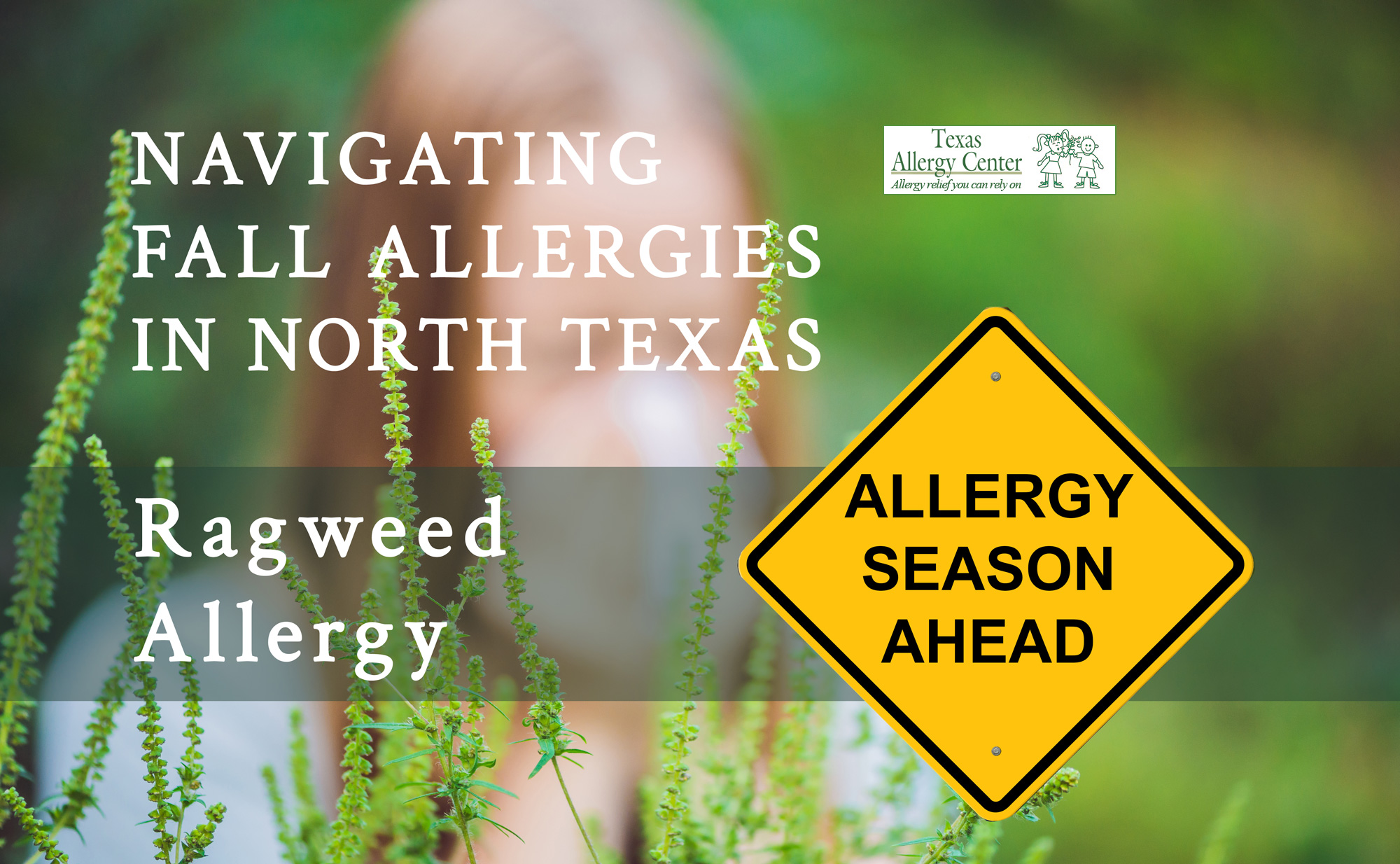
Autumn brings cooler temperatures, but it also brings the heavyweight champion of fall allergies: ragweed. From August until the first hard freeze (usually in November or December), ragweed plants release billions of lightweight pollen grains that travel for miles on the wind. For many Arlington residents, fall is just as miserable as spring.

Common Triggers Found in North Texas
To make the most of any allergy forecast, it helps to know which specific culprits are hiding in the local environment. The most common offenders in the Arlington area include:
- Oak Trees: Responsible for some of the highest pollen counts recorded in the DFW metroplex, turning cars yellow in March and April.
- Mountain Cedar: The primary driver of winter misery, causing severe systemic reactions in sensitive individuals.
- Bermuda Grass: A staple of North Texas lawns and athletic fields that releases heavy amounts of airborne pollen.
- Ragweed: A prolific weed that thrives in vacant lots, roadsides, and unmanaged suburban areas throughout the fall.
- Outdoor Molds: Thriving in both dry, windy conditions and damp, post-rain environments.
How to Read and Use an Allergy Forecast
Modern allergy forecasts typically use a scale from 0 to 12 (or Low, Moderate, High, and Very High) to measure the concentration of pollen grains per cubic meter of air. When checking the daily index for Arlington, pay attention to the specific type of pollen that is peaking.
If tree pollen is listed as "very high," you will want to take different precautions than if mold or weed pollen is the primary driver. Additionally, local weather heavily influences these numbers. Wind speeds above 10-15 mph can pick up and carry pollen long distances, while rain temporarily washes pollen out of the air—though it can cause mold counts to spike afterward.
Actionable Tips for Managing Symptoms in Arlington
You cannot change the local flora, but you can change how your body interacts with it. Implementing a proactive allergy management routine can drastically reduce your symptoms:
- Check the forecast daily: Make checking the Arlington allergy index part of your morning routine alongside the weather and traffic reports. Plan outdoor workouts or errands for days with lower counts.
- Keep windows closed: As tempting as it is to let in the spring breeze, keep your home and car windows sealed tight during peak pollen seasons to prevent allergens from settling indoors.
- Shower before bed: Pollen clings to your hair, skin, and clothing throughout the day. Washing your face and taking a quick shower before sleeping keeps you from transferring allergens onto your pillow.
- Upgrade your HVAC filters: Invest in high-efficiency particulate air (HEPA) filters for your home heating and cooling system, and replace them every 60 to 90 days.
- Wear sunglasses outdoors: Wearing glasses or sunglasses acts as a physical barrier, keeping wind-blown pollen out of your eyes.
- Consider local honey: While scientific studies are mixed, many Arlington locals swear by consuming raw, locally sourced honey to gradually build a natural immunity to regional floral allergens.
When to See an Allergist
Over-the-counter antihistamines, nasal steroid sprays, and saline rinses are often enough to manage mild to moderate seasonal allergies. However, if your symptoms consistently interfere with your sleep, work, or quality of life, it may be time to consult a board-certified allergist in the Arlington area.
An allergist can perform simple skin prick tests to pinpoint your exact triggers and develop a personalized treatment plan. For long-term relief, they may recommend immunotherapy—either through traditional allergy shots or sublingual tablets—which helps retrain your immune system to stop overreacting to local pollen.
Breathe Easier in North Texas
Living in Arlington offers fantastic food, culture, and community, but the local environment certainly tests our respiratory systems. By keeping a close eye on the Arlington TX allergy forecast, understanding the seasonal transitions of cedar, oak, and ragweed, and taking sensible daily precautions, you can minimize your symptoms and enjoy everything the region has to offer without reaching for a tissue every two seconds.