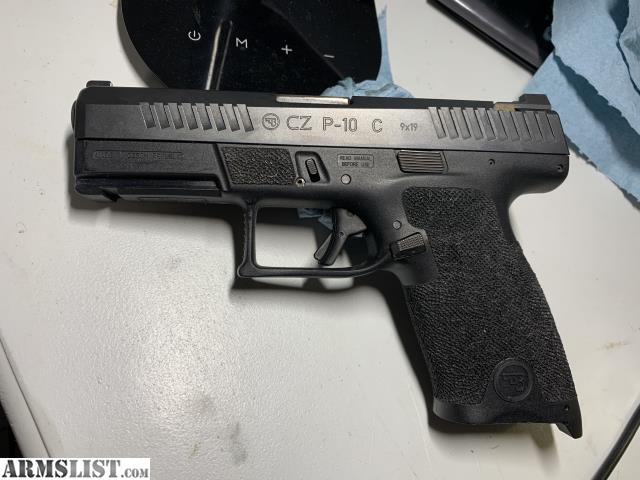
Armslist Kenosha: Local Buying & Selling Guide
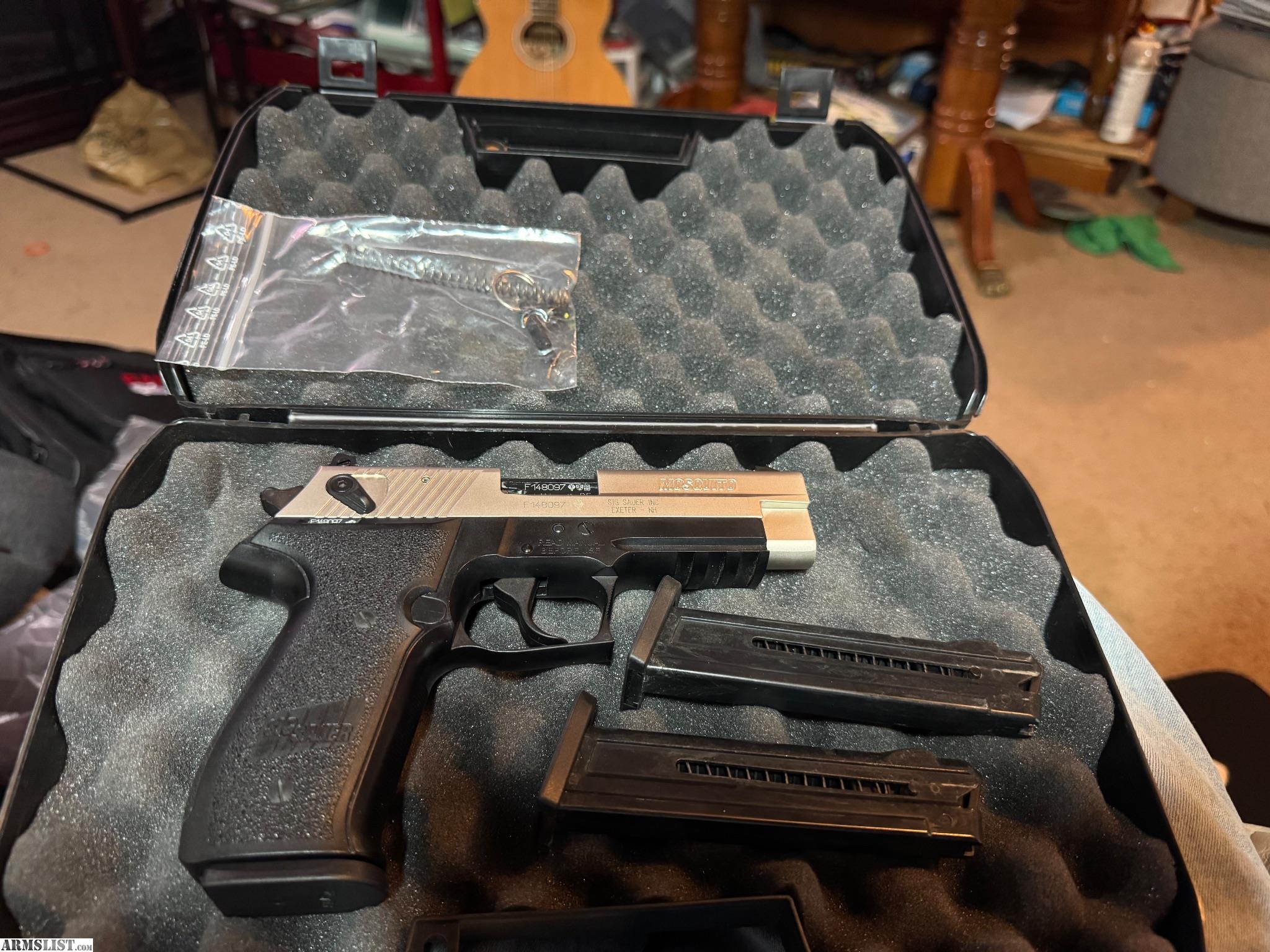
Finding or selling secondhand firearms locally has shifted dramatically over the past decade, and for gun owners in southeastern Wisconsin, browsing armslist kenosha listings has long been a primary method for connecting with local buyers and sellers. Whether you are searching for a discontinued hunting rifle, shopping for self-defense gear, or clearing out shelf space in your gun safe, using online classified platforms requires a clear understanding of legal boundaries, platform dynamics, and safety fundamentals.
Because Kenosha occupies a unique geographical position right on the Wisconsin-Illinois border, local transactions come with specific jurisdictional rules that every user must understand. This guide breaks down how to navigate local listings, follow state and federal transfer laws, protect yourself against fraud, and conduct transactions safely in Kenosha County.
How Armslist Operates for Local Users
Armslist functions as a specialized classified advertising network connecting firearms enthusiasts, private owners, and federally licensed dealers (FFLs). Several years ago, the platform shifted from an open free-for-all to a monthly subscription model for buyers seeking to message private sellers, though anyone can still browse public listings.
When searching specifically within the Kenosha regional area, you will generally see two categories of listings:
- Private Party Listings: Firearms, ammunition, optics, or accessories listed by individual residents without an active federal firearms license.
- Vendor / FFL Listings: Commercial listings from local gun shops or licensed home-based dealers advertising current retail inventory or used trade-ins.
Understanding which type of seller you are dealing with directly impacts whether you will be completing an in-person private transfer or completing standard paperwork, such as ATF Form 4473, at a brick-and-mortar storefront.
Understanding Wisconsin Laws for Private Gun Sales
Wisconsin law allows private individuals who are not engaged in the business of selling firearms to sell, trade, or gift firearms to other eligible state residents without the mandatory involvement of an FFL, provided certain legal conditions are met.
Eligibility Requirements
Under Wisconsin and federal law, a private seller cannot knowingly transfer a firearm to a person prohibited from possessing one. Prohibited categories include individuals convicted of felonies, individuals subject to qualifying domestic abuse injunctions, and anyone prohibited under federal statute (18 U.S.C. § 922(g)).
While private sellers in Wisconsin are not legally required to run background checks through the Wisconsin Department of Justice or the FBI NICS system, responsible sellers often establish criteria to verify eligibility. Best practices include:
- Verifying a valid Wisconsin Driver’s License to ensure state residency and age requirements (at least 18 for long guns and handguns under state law).
- Requesting to see a valid Wisconsin Concealed Carry Weapon (CCW) permit, which confirms that the holder has passed a comprehensive, ongoing state background check.
- Executing a signed, physical Firearm Bill of Sale that records names, dates, serial numbers, and a written affirmation that neither party is legally prohibited.
The Illinois Border Factor: Federal Interstate Rules
Kenosha’s proximity to the Illinois border is one of the most critical aspects of trading locally. Winthrop Harbor, Zion, and the broader Chicago metropolitan area are only minutes away from downtown Kenosha. This proximity leads to frequent inquiries from Illinois residents on local listings.
Federal law strictly governs interstate firearm sales. Under 18 U.S.C. § 922(a)(3) and § 922(a)(5), an unlicensed individual cannot sell, transfer, or deliver a firearm directly to any person who resides in a different state. If an Illinois resident wishes to buy a firearm listed in Kenosha, the transfer must proceed through a Federal Firearms Licensee.

For handguns, the firearm must be transferred through an FFL located in the buyer’s home state (Illinois). For long guns, an FFL in either state can process the transaction, provided it complies with the legal conditions of both states (including Illinois FOID card requirements and waiting periods). Bypassing this step constitutes a federal felony for both parties.
Navigating Armslist Kenosha Listings Safely
Online classified platforms inevitably attract bad actors looking to capitalize on careless buyers or sellers. Learning to spot deceptive listings will save you time, money, and legal risk.
Red Flags to Watch For
When reviewing postings in the Kenosha area, treat any listing with skepticism if it exhibits the following warning signs:
- Below-Market Pricing: A highly sought-after firearm listed at 50% below fair market value is almost always an attempt to entice victims into sending an upfront deposit.
- Requests for Electronic Payments: Scammers consistently request payments via peer-to-peer services like Zelle, Venmo, Cash App, wire transfer, or cryptocurrency, promising to ship the item once paid.
- Refusal to Meet Locally: If a seller claims to be in Kenosha but invents excuses for why an in-person inspection or transfer is impossible, disengage immediately.
- Stolen or Stock Images: Run a reverse image search on listing photos. Stolen images from firearms forums or out-of-state gun auction sites are common indicators of a fake post.
Safety Protocols for In-Person Exchanges
When you have agreed on a fair price and verified the legitimacy of the other party, planning the meeting requires attention to personal safety:
- Choose a Neutral, Well-Monitored Location: Never invite strangers to your personal residence or meet in isolated parking areas after dark. Consider public commercial parking lots with active surveillance cameras or designate an official safe exchange zone.
- Consider Municipal Safe Exchange Locations: The Kenosha Public Safety Building (1000 55th Street) and surrounding municipal facilities offer monitored public spaces that deter criminal behavior. Check local regulations regarding municipal properties before meeting.
- Inspect the Firearm Safely: Always clear the chamber immediately upon handling the firearm. Never handle ammunition and the firearm simultaneously during an inspection in a parking area, which could draw alarming attention from bystanders.
- Bring a Companion: Whenever possible, attend local classified transactions with a trusted friend or partner, and ensure someone knows where you are going and with whom you are meeting.
Using a Kenosha FFL for Third-Party Transfers
If you prefer complete peace of mind, you do not have to perform a private parking-lot handoff. You can arrange to meet your counterparty at an established Kenosha-area gun shop to conduct a private-party transfer through their books.
For a modest fee (typically ranging from $25 to $50 per firearm), the dealer will log the firearm into their acquisition records, run the buyer through the official NICS background check, and complete ATF Form 4473. This provides several benefits:
- The seller receives confirmation that the buyer passed a formal background check, eliminating civil or criminal liability concerns.
- The buyer receives a formal paper trail showing legal transfer of title.
- The entire transaction takes place in a controlled, secure, professional retail environment.
Before meeting at a shop, always call ahead to ensure the store facilitates private transfers and to confirm their transfer fee schedule.
Final Checklist Before You Trade
Trading firearms locally provides an excellent way to access rare models and find reasonable deals without shipping fees, but diligence remains mandatory. Before completing your next transaction, verify that:
- Both parties are legal residents of Wisconsin (or using an FFL for interstate transfers).
- Neither party shows indications of being legally disqualified from ownership.
- A detailed Bill of Sale is prepared and signed by both parties.
- The meeting takes place in daylight at a secure, public location.
- The firearm's serial number is legible and unaltered.
By approaching classified transactions with common sense, clear communication, and respect for statutory boundaries, local buyers and sellers can make the most of local trading while keeping the community safe and compliant.