Army Base Pay: Complete Guide to Military Salaries
Navigating military compensation can feel complex, but understanding the fundamentals of army base pay is essential for anyone serving, joining, or managing military household finances. Base pay forms the reliable financial foundation of a soldier's monthly earnings, serving as the baseline before extra allowances and special pays are added.
In this guide, we break down how the army base pay system operates, what factors influence your monthly check, and how the military pay structure changes over time.
How Army Base Pay is Calculated
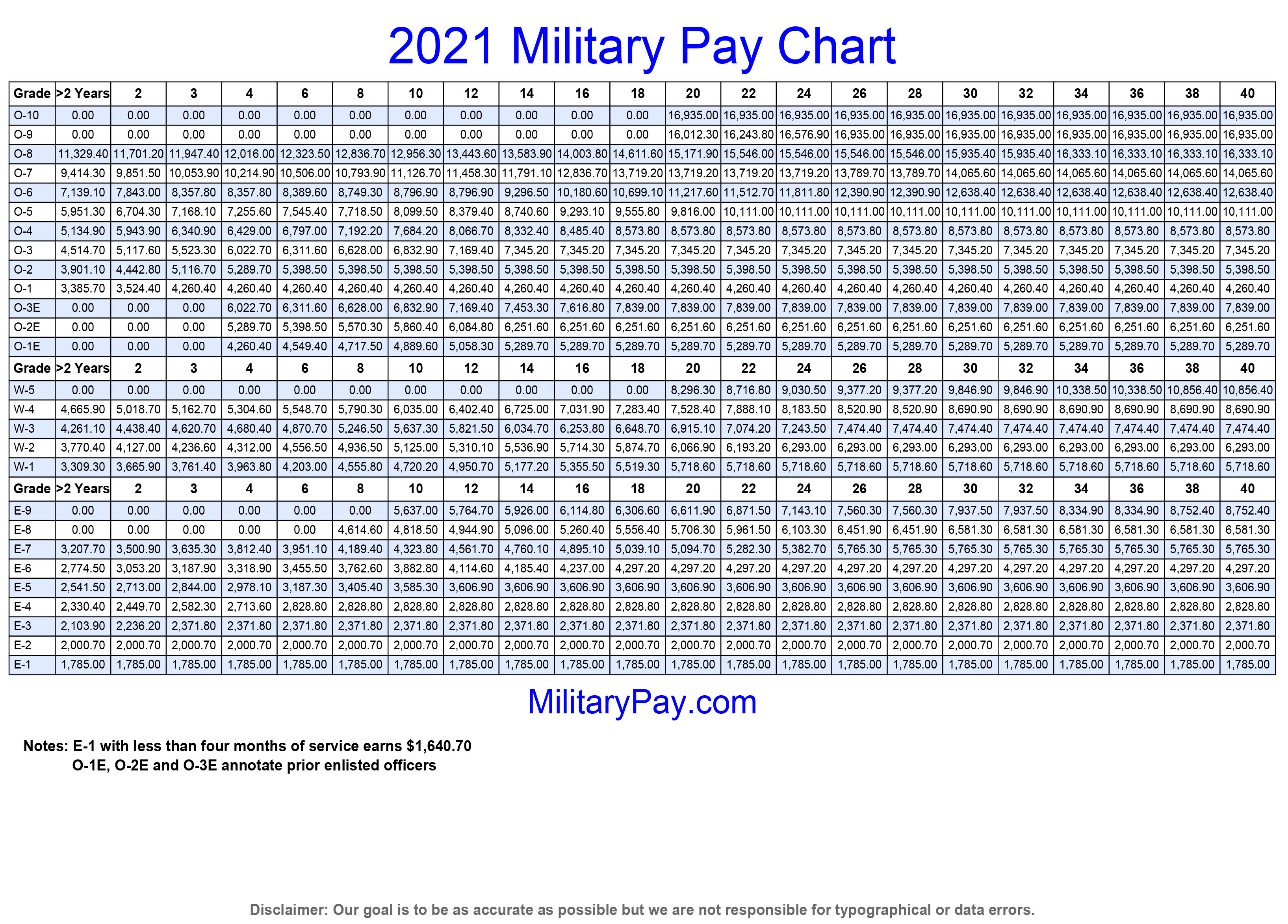
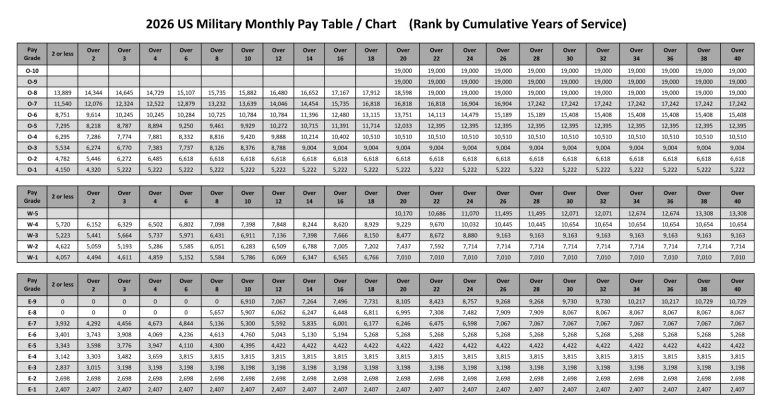
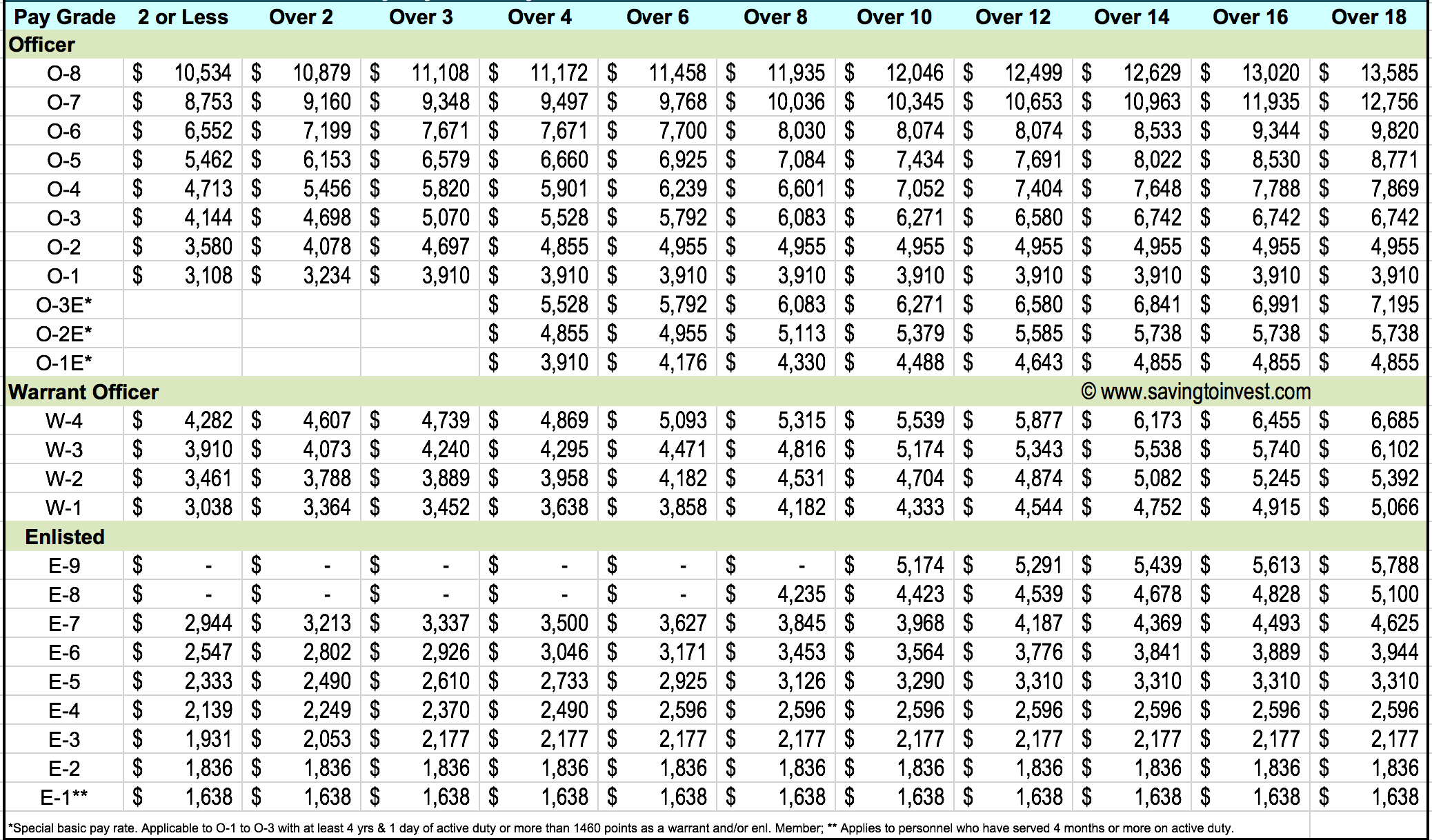
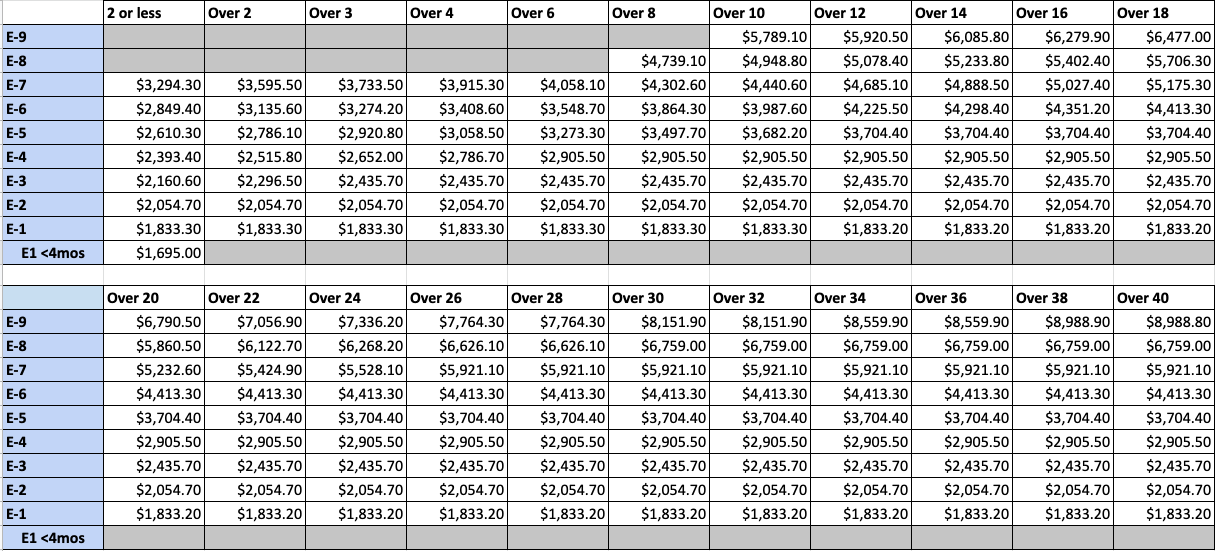
Unlike civilian careers where salaries are often negotiable, military compensation is strictly standardized. Every soldier holding the same rank and cumulative years of service receives the exact same base pay, regardless of their job specialty (MOS), duty station, or deployment status.
The two primary determinants of your monthly base salary are:
- Rank (Pay Grade): Enlisted personnel range from Private (E-1) to Sergeant Major of the Army (E-9), while officers range from Second Lieutenant (O-1) to General (O-10). Warrant officers (W-1 to W-5) form a distinct technical track.
- Years of Service (Longevity): As you gain time in service, your pay increases within your specific pay grade, usually hitting incremental bumps at 2, 3, 4, 6 years, and so on.
The Military Pay Scale Structure
The Department of Defense updates the military pay tables annually, often incorporating a percentage raise determined by the federal Employment Cost Index (ECI) or specific congressional actions to keep pace with civilian wage growth.
Enlisted Pay Grades (E-1 to E-9)
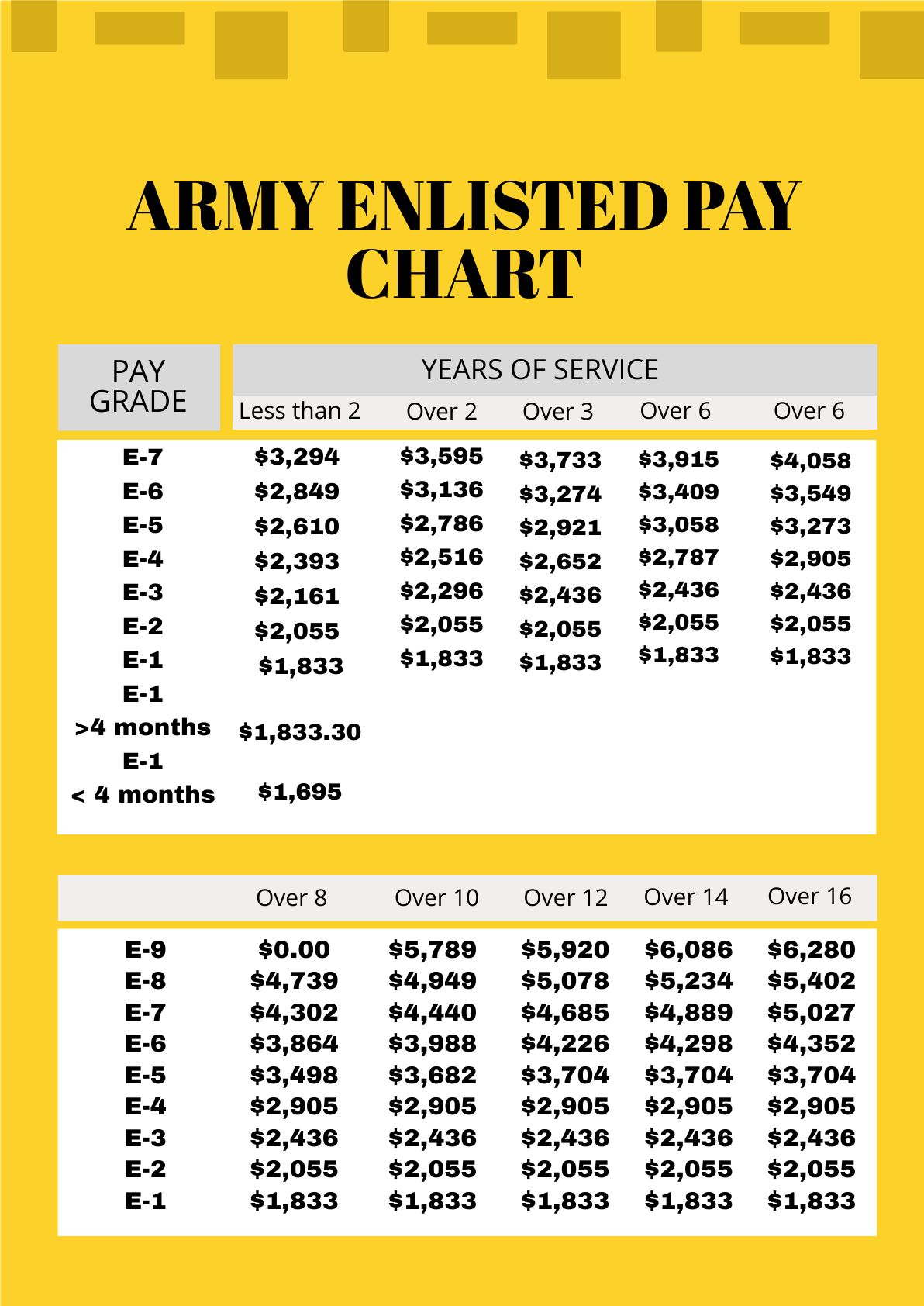
Enlisted soldiers make up the backbone of the United States Army. Entry-level recruits typically start at E-1 (or E-2 and E-3 depending on college credits, Eagle Scout status, or advanced referrals). As enlisted soldiers promote through the non-commissioned officer (NCO) ranks, their base pay scales significantly.
For example, a newly enlisted Private with less than four months of service earns a starting statutory minimum base pay, while an E-6 Staff Sergeant with eight years of service commands a substantially higher monthly salary based on leadership responsibilities and accumulated experience.

Officer Pay Grades (O-1 to O-10)
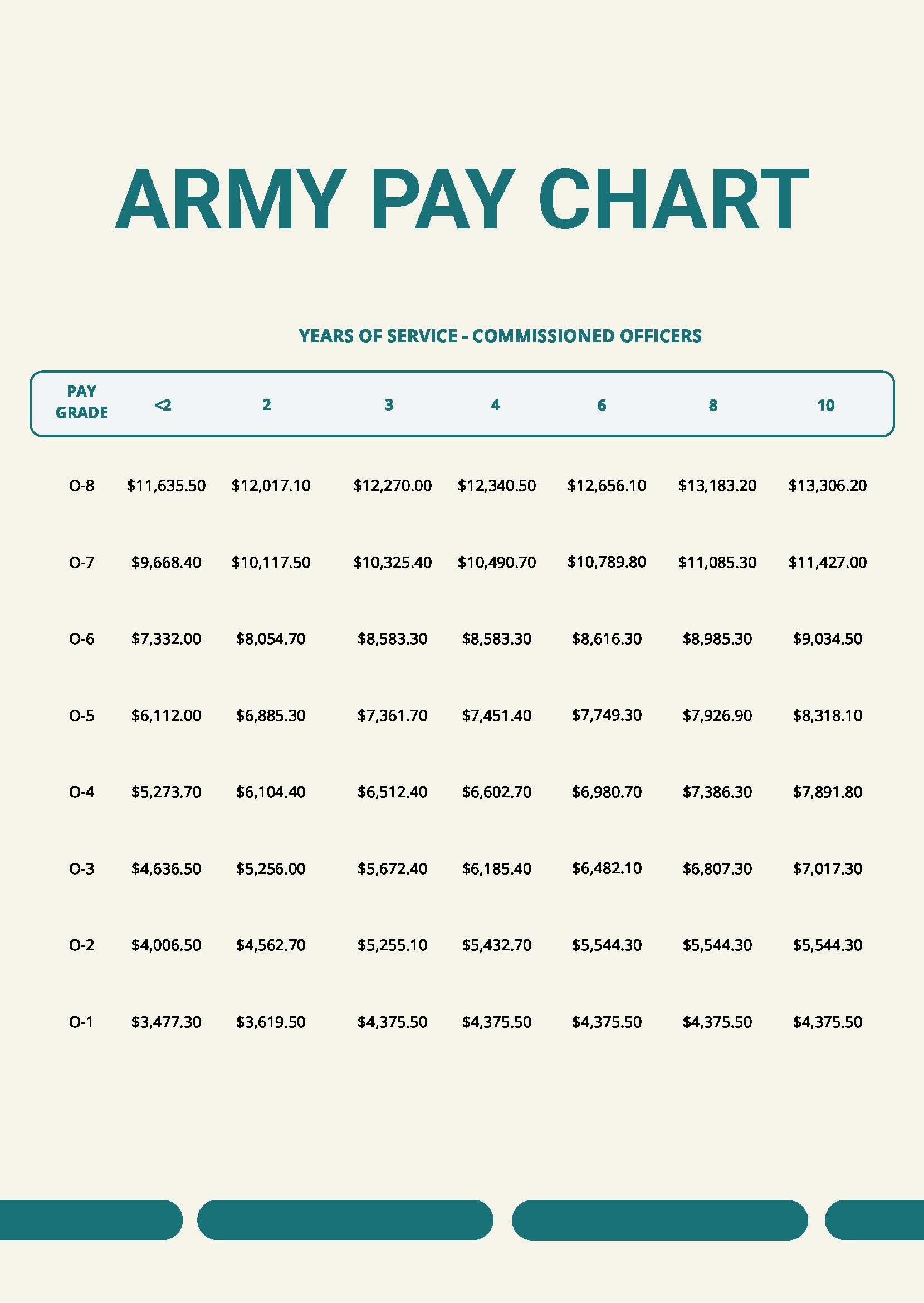
Commissioned officers hold college degrees and graduate from programs like West Point, ROTC, or Officer Candidate School (OCS). Officer base pay rates are higher than enlisted rates at equivalent years of service, reflecting their leadership scope and educational requirements.
Additionally, soldiers who rise from the enlisted ranks to become commissioned officers or warrant officers benefit from special pay protections, such as the Commissioned Officers with Prior Enlisted Service (OE) pay scale, which often provides higher base pay rates than standard officer tracks.
Base Pay vs. Total Military Compensation
It is vital to understand that army base pay is only one component of a soldier's overall financial package. While base pay is fully taxable federal income, service members receive several non-taxable allowances that significantly increase their take-home pay:
- BAH (Basic Allowance for Housing): A tax-free monthly stipend designed to cover off-base housing costs, scaled by rank, dependency status, and geographic zip code.
- BAS (Basic Allowance for Subsistence): A standardized monthly tax-free allowance intended to offset the cost of meals for service members.
- Special and Incentive Pays: Additional money for specialized hazardous duties, such as airborne status (jump pay), dive pay, foreign language proficiency, or hostile fire/imminent danger pay.
When factoring in free healthcare through TRICARE, 30 days of paid annual leave, and retirement benefits like the Blended Retirement System (BRS), the true value of an army career extends far beyond the basic salary numbers printed on the pay table.
Accessing Your Pay Information
Active-duty soldiers manage their finances primarily through the Defense Finance and Accounting Service (DFAS). By logging into the MyPay portal using a Common Access Card (CAC) or secure login, soldiers can view their monthly Leave and Earnings Statements (LES), track pay changes, update tax withholdings, and verify direct deposit details.
Regularly reviewing your LES ensures that promotions, longevity pay increases, and allowances are correctly processed and reflected in your bank account on the 1st and 15th of every month.