Arrests in Harnett County NC: Inmate Search Guide
When someone is taken into custody, finding reliable information quickly is critical. Whether you are checking on a loved one, researching public safety records, or seeking legal clarity, tracking arrests in Harnett County NC requires knowing which local agencies handle bookings, where detainees are housed, and how North Carolina manages public criminal records.

Harnett County—anchored by communities like Lillington, Dunn, Angier, and Erwin—operates a centralized detention system. This guide explains how to search for recently booked individuals, understand the booking and bail process, locate court records, and contact the proper authorities.
How to Search Arrests in Harnett County NC
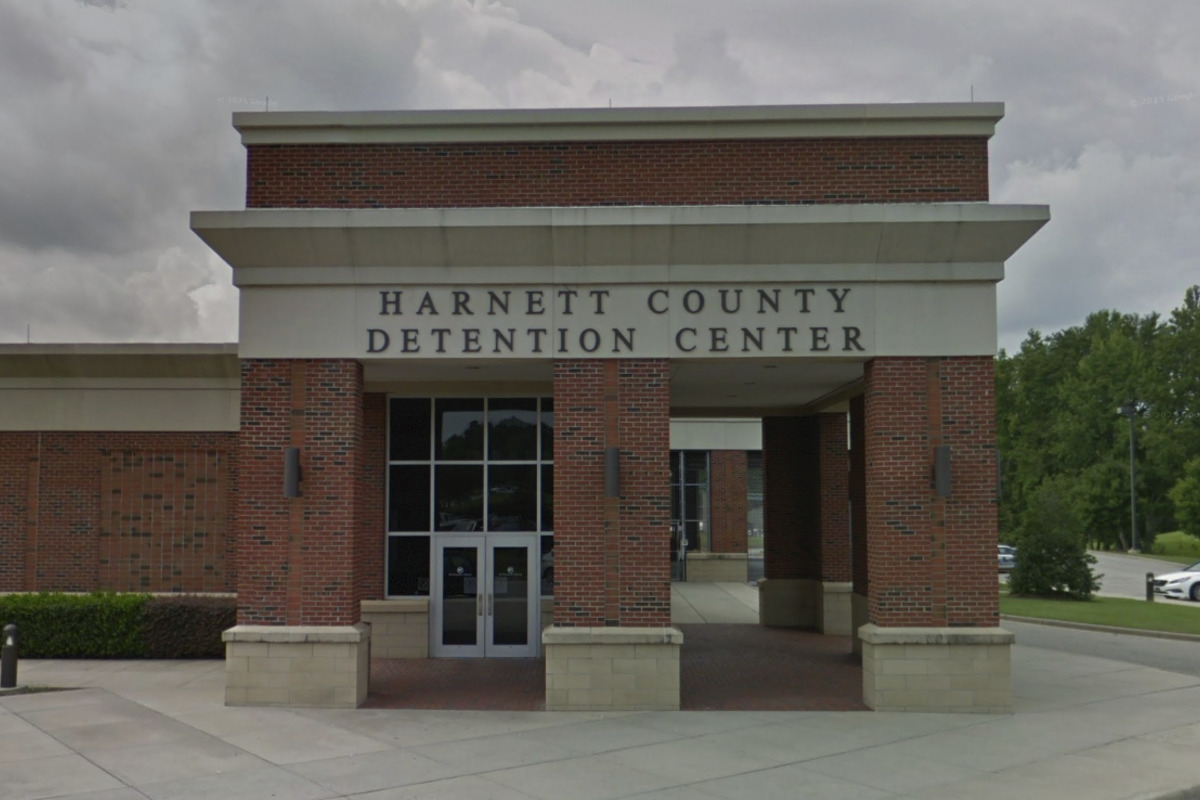
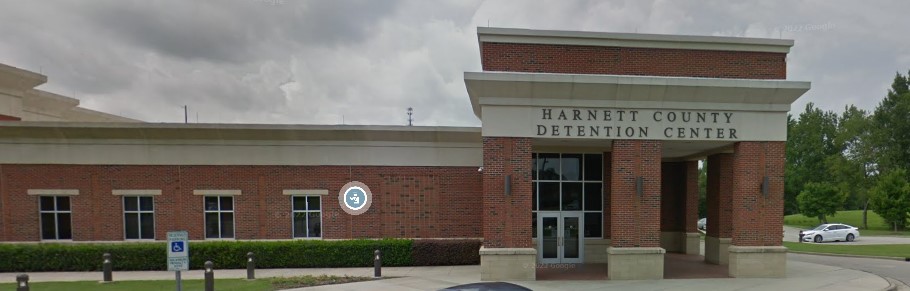
Most individuals arrested within Harnett County are transported to and processed at the county detention facility in Lillington. Depending on whether the arrest was made by the Harnett County Sheriff’s Office, the Dunn Police Department, or state agencies like the North Carolina State Highway Patrol, custody records converge at the county level.
1. The Harnett County Sheriff’s Office Online Inmate Inquiry
The fastest way to verify an arrest is through the official online portal maintained by the county. The Harnett County Sheriff’s Office provides an online Inmate Inquiry / Detention Center roster. This database generally lists:
- Full legal name and booking photo (mugshot)
- Date and time of booking
- Specific charges filed
- Bond amount and bond conditions
- Projected court dates
To use the search effectively, you typically only need the individual’s first and last name. If the query yields multiple results, matching an approximate date of birth or booking date helps narrow the search.
2. Phone Inquiries with the Detention Center
If you cannot access the internet or the database appears delayed, you can call the detention center directly. Staff can verify whether a specific person has been booked into custody, though they cannot provide legal advice or discuss active investigations.
- Facility: Harnett County Detention Center
- Physical Address: 175 Bain Street, Lillington, NC 27546
- Main Phone: (910) 893-0257
3. North Carolina Statewide Offender Searches
If the person you are looking for has already been convicted and transferred out of county custody, they will no longer appear on the local jail roster. In such cases, use the North Carolina Department of Adult Correction (NCDAC) Offender Public Information search tool to locate state prison inmates, active probationers, and parolees.
The Booking and Intake Process Explained
Understanding what happens during and immediately after an arrest can alleviate confusion during an already stressful situation. In Harnett County, standard intake follows a specific statutory procedure:
- Arrest and Transport: The arresting officer conducts an initial search, secures personal property, and transports the arrestee to the Harnett County Detention Center.
- Intake and Fingerprinting: Jail personnel collect personal details, photograph the individual, and record fingerprints, which are submitted to statewide and federal databases.
- Appearance Before a Magistrate: Under North Carolina law, an arrested individual must be brought before an independent judicial official—a magistrate—as soon as reasonably possible. The magistrate determines whether probable cause exists, formally issues the charging documents, and sets initial conditions of release (bail).
Understanding Bail and Release in Harnett County

Once the magistrate sets conditions of release, the defendant or their family can take steps to secure release from jail. In North Carolina, release conditions generally fall under four primary categories:
- Written Promise to Appear (WPA): The individual is released on their own recognizance without paying money, signing an agreement to attend all future court dates.
- Unsecured Appearance Bond: A dollar amount is assigned to the bond, but the defendant does not pay it upfront. If they fail to appear in court, they become legally liable to pay the full sum.
- Secured Bond: The defendant must deposit cash, pledge acceptable real estate, or work through a licensed commercial bail bondsman before being released. A bondsman typically charges a non-refundable statutory fee (up to 15% in North Carolina) to post the full bond.
- Custody Release: The defendant is released into the custody of a designated person or organization willing to supervise their court appearances.
Certain offenses—such as domestic violence charges—carry a statutory cooling-off period where a magistrate may hold the defendant for up to 48 hours before setting bail conditions, after which a district court judge reviews the matter.
How to Check Court Dates and Case Records
An arrest is only the beginning of a criminal case. Tracking upcoming court hearings is critical to avoid a Failure to Appear (FTA), which triggers an automatic order for arrest and potential forfeiture of bond.
The NC Judicial Branch Portal (eCourts)
North Carolina has modernized its court technology through the Enterprise Justice (eCourts) system. You can access the North Carolina Judicial Branch Portal online to check:
- District and Superior Court calendars
- Case numbers and filed citations
- Scheduled courtrooms at the Harnett County Courthouse
- Case dispositions and judgment records
Contacting the Clerk of Superior Court
For certified copies of warrants, indictments, or criminal histories, contact the Harnett County Clerk of Superior Court. The clerk’s office is housed inside the Harnett County Courthouse at 301 W. Cornelius Harnett Blvd, Lillington, NC 27546. Criminal records can be inspected in person at the clerk’s public terminals during normal business hours.
Contacting and Supporting an Inmate
If an individual remains detained pending trial, friends and family must follow strict institutional protocols regarding communication, visitation, and financial accounts:
- Phone Calls: Inmates cannot receive incoming phone calls. They can place collect or prepaid calls through the facility’s telecommunications contractor. Accounts must be registered and funded by the recipient.
- Mail Regulations: Non-legal correspondence is inspected for contraband. Always verify current mailing rules regarding paper color, ink type, and acceptable content directly with the detention center before sending letters.
- Commissary Accounts: Funds can typically be deposited into an inmate’s trust account via online payment processors or kiosks located in the detention center lobby. These funds allow inmates to buy basic personal hygiene items, snacks, and stationery.
Public Records Laws and Privacy in North Carolina
Under the North Carolina Public Records Law (N.C.G.S. Chapter 132), arrest logs, booking photos, and court dockets are public information. This means members of the media, background check providers, and the general public have a lawful right to review arrest records unless a case is sealed by judicial order.
However, an arrest record does not equate to a conviction. Under state and federal law, every person accused of a crime is presumed innocent until proven guilty beyond a reasonable doubt. If charges are eventually dropped, dismissed, or result in a “not guilty” verdict, individuals can petition the court for an expunction to remove the arrest from public view.