Arthritis Weather Today: How Forecasts Affect Joint Pain
Understanding Arthritis Weather Today and Your Joints
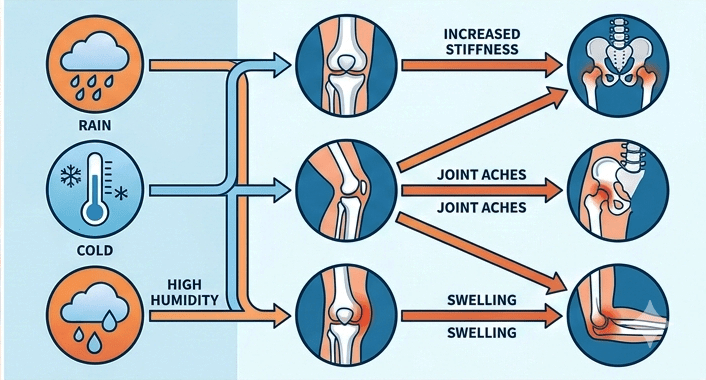
If you woke up with stiff fingers, aching knees, or a throbbing hip, you might find yourself checking the arthritis weather today forecast before even getting out of bed. For centuries, people with osteoarthritis and rheumatoid arthritis have insisted that their joints can predict rain, cold snaps, or humidity. Modern science increasingly supports what sufferers have known for generations: weather changes genuinely impact joint pain.
While the weather does not actually cause arthritis to develop, shifts in meteorological conditions can amplify inflammation and nerve sensitivity in damaged joints. Understanding how these environmental triggers work empowers you to anticipate flare-ups and take proactive steps to protect your mobility.
The Science of Barometric Pressure and Joint Pain
The primary meteorological culprit behind weather-related joint pain is barometric pressure—the weight of the atmosphere pressing down against your body. This invisible force actually keeps your tissues from expanding.
Why Pressure Drops Trigger Aches
When a storm system, rain, or a cold front approaches, the barometric pressure drops. This decrease in external pressure means there is less force pushing against your body. As a result, the tissues inside and around your joints can expand slightly.
Video: Does Weather Affect Arthritis?

Because the space inside a joint capsule is limited, this microscopic expansion puts extra pressure on the surrounding nerves and soft tissues. If you already have cartilage wear-and-tear from osteoarthritis or chronic inflammation from rheumatoid arthritis, those compressed nerve endings send pain signals straight to your brain.
How Other Weather Elements Impact Your Body
Barometric pressure gets most of the attention, but other environmental factors play a significant role in how you feel day-to-day.
- Temperature: Cold weather causes fluids within the body to thicken slightly, making joint tissues less fluid and more rigid. Muscles surrounding the joints may also contract to preserve core body heat, pulling tighter on already sensitive joints.
- Humidity: High humidity combined with fluctuating temperatures can influence how tissues swell. While the exact physiological mechanism is still debated, many patients report increased stiffness on damp, rainy days.
- Wind and Sudden Shifts: Rapid transitions from warm to cold weather give the body little time to adjust, frequently triggering acute joint discomfort.
Practical Strategies for Bad Weather Days
You cannot control the meteorological forecast, but you can manage how your body responds to it. When the forecast predicts adverse conditions, implement these targeted strategies:
- Dress in Layers: Keep your core and your specific problem areas warm. Wear thermal underwear, gloves, or knee sleeves to insulate joints against cold drafts.
- Stay Active Indoors: Gentle movement lubricates your joints by stimulating the production of synovial fluid. On dreary days, opt for indoor walking, gentle stretching, or water aerobics in a heated pool.
- Apply Targeted Heat: Take a warm bath, use an electric heating pad, or apply warm compresses to stiff joints in the morning to relax tight muscles and ease stiffness.
- Maintain Hydration: Dehydration can make your body more sensitive to pain. Drink plenty of water throughout the day, even if you are less active indoors.
- Manage Inflammation: Consult your physician about adjusting your anti-inflammatory routine or pain management plan proactively when a major storm system is heading your way.
Listening to Your Body
Checking the conditions each morning serves as a useful tool for planning your schedule. If a severe pressure drop is on the horizon, you might want to schedule high-impact tasks for a different day and focus on gentle stretching, resting, or low-intensity work. By acknowledging the connection between the environment and your physical well-being, you can stay one step ahead of the pain and maintain your quality of life regardless of the forecast.


