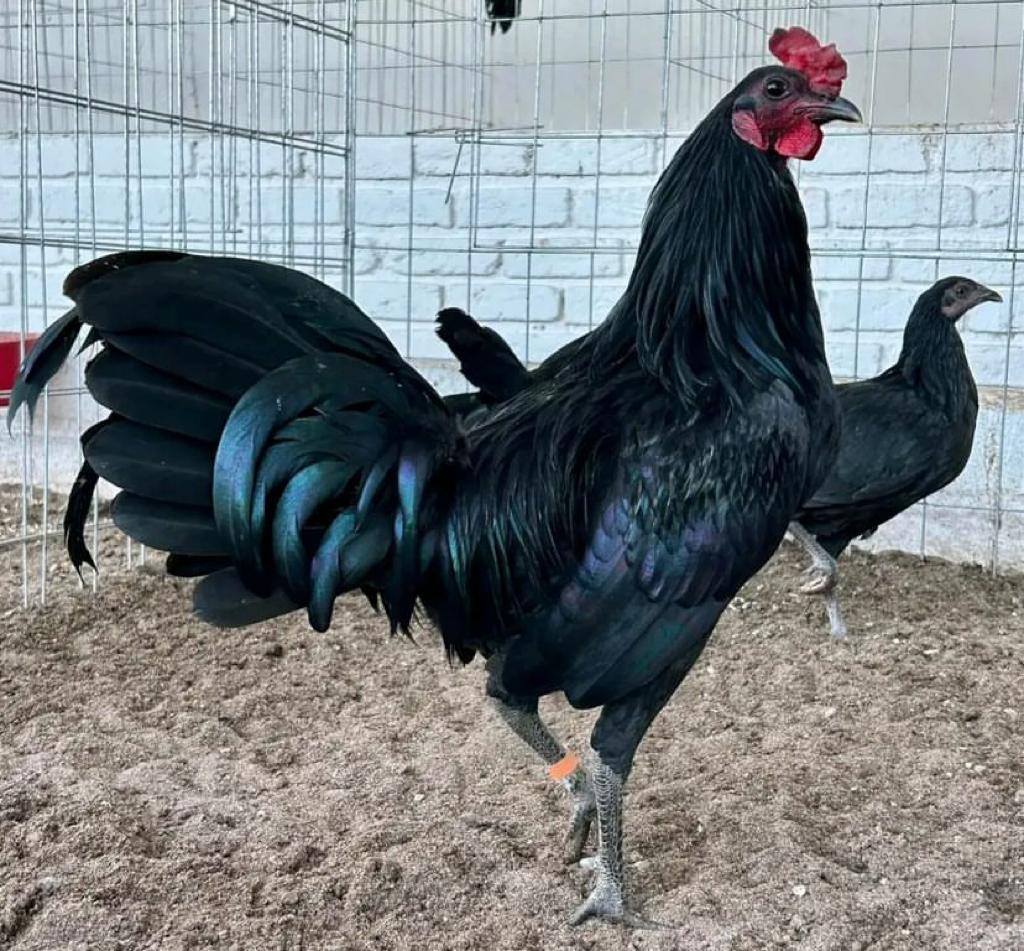
Asil Grey Cross Gamefowl: Traits and Care Guide
Understanding the Asil Grey Cross Gamefowl

Poultry enthusiasts and heritage breeders are often drawn to specialized crosses that combine the best traits of distinct bloodlines. Among these, the asil grey cross gamefowl stands out for its unique blend of tenacity, striking plumage, and robust constitution. By crossing the ancient, hard-hitting Asil breed with the notoriously agile and fast Grey fowl, breeders aim to produce a resilient bird that showcases structural strength alongside tactical prowess in the pen or yard.
Developing a successful cross requires a deep understanding of genetics, conformation, and behavioral traits. This guide explores the physical characteristics, historical background, and essential management practices needed to raise healthy, vigorous specimens of this unique crossbreed.
Heritage and Origins of the Parent Breeds
To appreciate the qualities of any hybrid, you must first examine the foundational breeds. Both parent lines bring centuries of selective breeding to the table, resulting in a potent genetic combination.
The Asil Influence
Originating in the Indian subcontinent, the Asil (or Aseel) is widely recognized as one of the oldest pure breeds of gamefowl. They are characterized by:
- Dense, heavy bone structure and compact, muscular bodies.
- An upright, warrior-like posture with a broad skull and a short, curved beak.
- Extremely high levels of gameness, courage, and endurance.
- Stubborn persistence and a slow-maturing growth rate.
However, pure Asils can sometimes lack the lightning-fast speed and agility found in other families. This is where the Grey lineage comes into play.
The Grey Influence
Grey gamefowl, popularized by various legendary families such as the Law Grays, Muff Greys, and Derby Greys, bring contrasting traits that balance the Asil's heavy frame. Greys are generally known for:
- Remarkable aerial agility, speed, and lateral movement.
- Distinctive steel-grey or silver-white feather patterns.
- Sharp intelligence and quick reflexes.
- A slightly lighter, more streamlined build compared to oriental breeds.
When combined, the resulting progeny typically bridge the gap between heavy power and swift maneuverability.
Physical Characteristics and Conformation
Identifying a quality asil grey cross gamefowl involves looking for specific markers in conformation, feathering, and temperament. Because this is a crossbreed, physical traits can vary, but certain hallmarks remain desirable among breeders.
Plumage and Coloration
As the name suggests, the plumage is heavily influenced by the Grey parent. You will commonly see steel-grey hackles and saddles, often laced with white or silver, contrasting sharply against a black or dark breast. The skin is usually yellow or white, depending on the specific strain of Asil used in the cross, and the legs clean-scaled with a sturdy, thick-boned appearance.
Head and Stance

A well-bred specimen inherits the broad, hawk-like head of the Asil, complete with prominent brow bones that protect the eyes. The comb is typically a pea or walnut comb, which resists frostbite and injury. The posture is proud, upright, and alert, signaling high situational awareness and confidence.
Temperament and Behavioral Traits
Behavioral management is one of the most critical aspects of raising gamefowl. The asil grey cross inherits strong instincts that require careful handling by the keeper.
- High Dominance: Both parent breeds are fiercely territorial. Stags and cocks will establish a strict pecking order and tolerate very little crowding.
- Alertness: These birds possess superior situational awareness, making them excellent at evading predators in free-range environments.
- Human Interaction: While Asils are famous for becoming exceptionally tame and trusting toward their handlers, the wilder edge of the Grey bloodline can make some crossbred individuals more standoffish. Early socialization is key.
Housing and Management Best Practices
Due to their high energy levels and aggressive territorial instincts, standard backyard chicken management techniques may not suffice for these birds. Providing the right environment prevents injury, disease, and stress.
Individual Penning
As young stags mature, usually around four to six months of age, they must be separated into individual pens or "stags' coops." Failure to do so will result in severe fighting and potential mortality. Pens should be spacious enough to allow adequate exercise—ideally at least 4x6 feet per bird—with dry, well-drained flooring.
Nutritional Requirements
Gamefowl require high-protein diets to support their dense muscle mass and vigorous activity levels.
- Growth Phase: Feed a high-protein starter and grower crumb (20% to 22% protein) for the first six months.
- Maintenance: Adult birds thrive on a balanced diet of whole grains (corn, wheat, and barley), high-quality pellets, and fresh greens.
- Supplements: Calcium and trace minerals are essential, especially for breeding hens to ensure strong eggshells.
Health, Vigor, and Disease Resistance
One of the primary benefits of crossing distinct breeds is hybrid vigor (heterosis). The asil grey cross gamefowl generally exhibits superior disease resistance and hardiness compared to purebred stock that may suffer from inbreeding depression.
However, keepers must remain vigilant against common poultry ailments. Regular deworming, mite and lice prevention, and maintaining clean, dry bedding are non-negotiable routines. Because Asil crosses possess thick skin and dense feather shafts, they can sometimes hide illness until it reaches an advanced stage. Daily visual inspections of the eyes, comb, and vent are vital.
Conclusion
The asil grey cross gamefowl represents a fascinating synthesis of two legendary avian bloodlines. By blending the raw power, endurance, and courage of the Asil with the speed, agility, and striking coloration of the Grey, breeders can produce exceptional specimens. Success with this cross depends heavily on proper nutrition, secure and individualized housing, and a thorough understanding of their spirited temperament. For dedicated poultry enthusiasts, managing this cross offers a rewarding challenge and results in some of the most striking and robust birds in the aviary world.