Asphalt Millings For Sale Near Me: Cost & Buying Guide
Finding Asphalt Millings For Sale Near Me

If you are planning a driveway upgrade, parking pad, or private road, you might be searching for asphalt millings for sale near me. Also known as recycled asphalt pavement (RAP), asphalt millings are chunks of old asphalt roads that have been ground up into a coarse, gravel-like material. They are increasingly popular because they cost significantly less than hot-mix asphalt or concrete while outperforming standard gravel.
However, finding and buying millings is a bit different from picking up standard crushed stone at a local landscaping yard. Because millings are a byproduct of road construction and resurfacing projects, availability fluctuates depending on the season and regional infrastructure work. This guide covers how to source them locally, what you should expect to pay, and how to install them for a long-lasting surface.
What Are Asphalt Millings and Why Use Them?
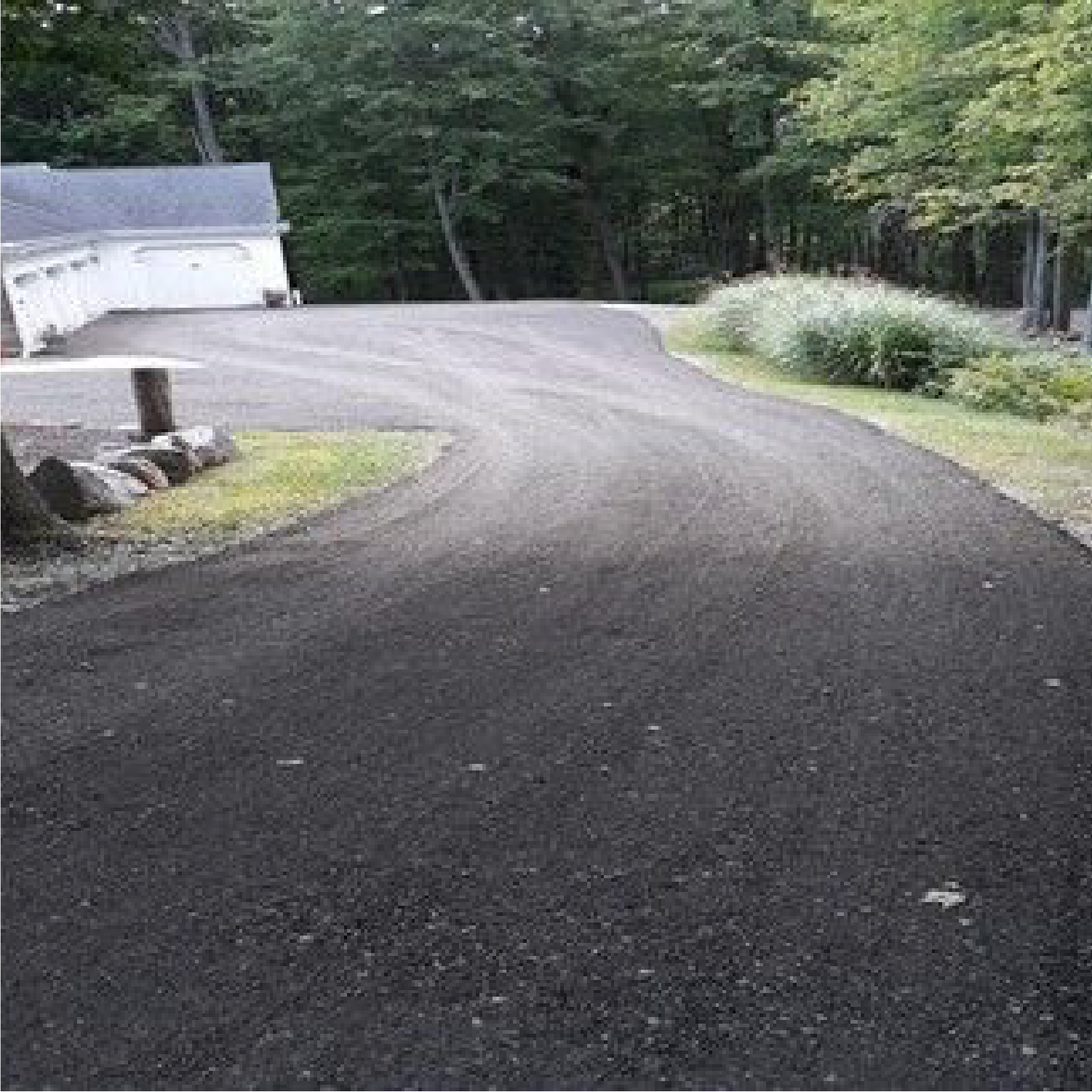
Asphalt millings consist of crushed pavement mixed with the original liquid asphalt binder. When sunlight hits a freshly laid and compacted layer of millings, the residual tar warms up and reactivates. This causes the material to bind together, hardening into a semi-solid surface that is much more stable than traditional gravel.
Key Benefits Over Regular Gravel
- Dust Control: Unlike crushed limestone or gravel, millings do not kick up heavy dust clouds when vehicles drive over them.
- Pothole Resistance: The interlocking nature of the tar-coated aggregate resists displacement, reducing ruts and washboarding.
- Cost-Effective: They are typically priced lower than virgin aggregate or freshly paved asphalt.
- Eco-Friendly: Using RAP keeps tons of old pavement out of local landfills.
Average Cost of Recycled Asphalt
Pricing for asphalt millings varies based on your geographic location, proximity to active road projects, and transportation costs. On average, you can expect to pay anywhere from $10 to $25 per ton, or roughly $15 to $35 per cubic yard, at the source.
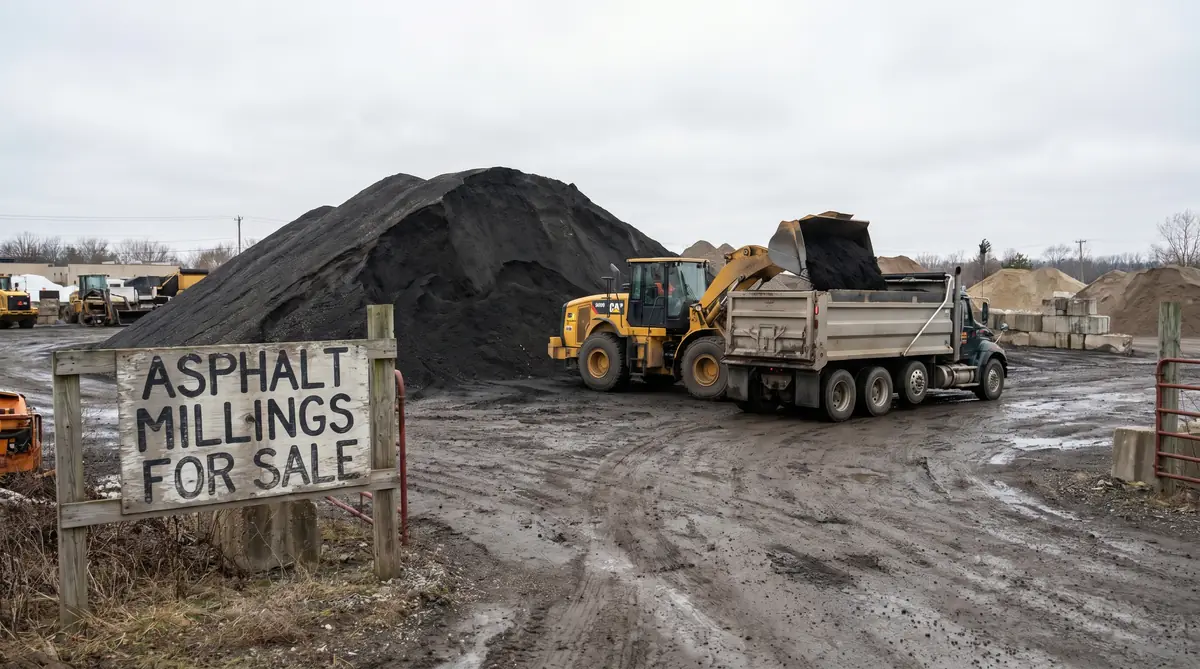
The biggest variable in your total project cost is delivery. Most suppliers sell millings by the ton and deliver via tri-axle dump trucks (which typically carry 15 to 20 tons per load). Delivery fees generally range from $100 to $300 depending on the distance from the quarry or milling site. Always ask whether the quoted price includes delivery or if haul fees are extra.
Where to Look for Local Suppliers
Video: sealing asphalt millings
Because these materials come from highway projects and commercial repaving jobs, you won't always find them at standard retail garden centers. Try these reliable avenues to locate supplies in your area:
- Local Paving Contractors: Civil construction and asphalt paving companies are your best bet. They frequently generate millings on job sites and are often looking for nearby places to dump the material.
- Crushed Stone and Gravel Quarries: Many commercial aggregate yards process and stockpile RAP alongside virgin stone.
- Online Marketplaces: Check platforms like Facebook Marketplace, Craigslist, or local classifieds where independent truckers and paving crews post excess loads.
- County or City Public Works: While municipalities rarely sell directly to homeowners, their road departments can sometimes point you toward approved local contractors.
Tips for Buying and Transporting Millings
Before you commit to a purchase, there are a few practical logistics to keep in mind to ensure your project goes smoothly.
Inspect the Material Quality
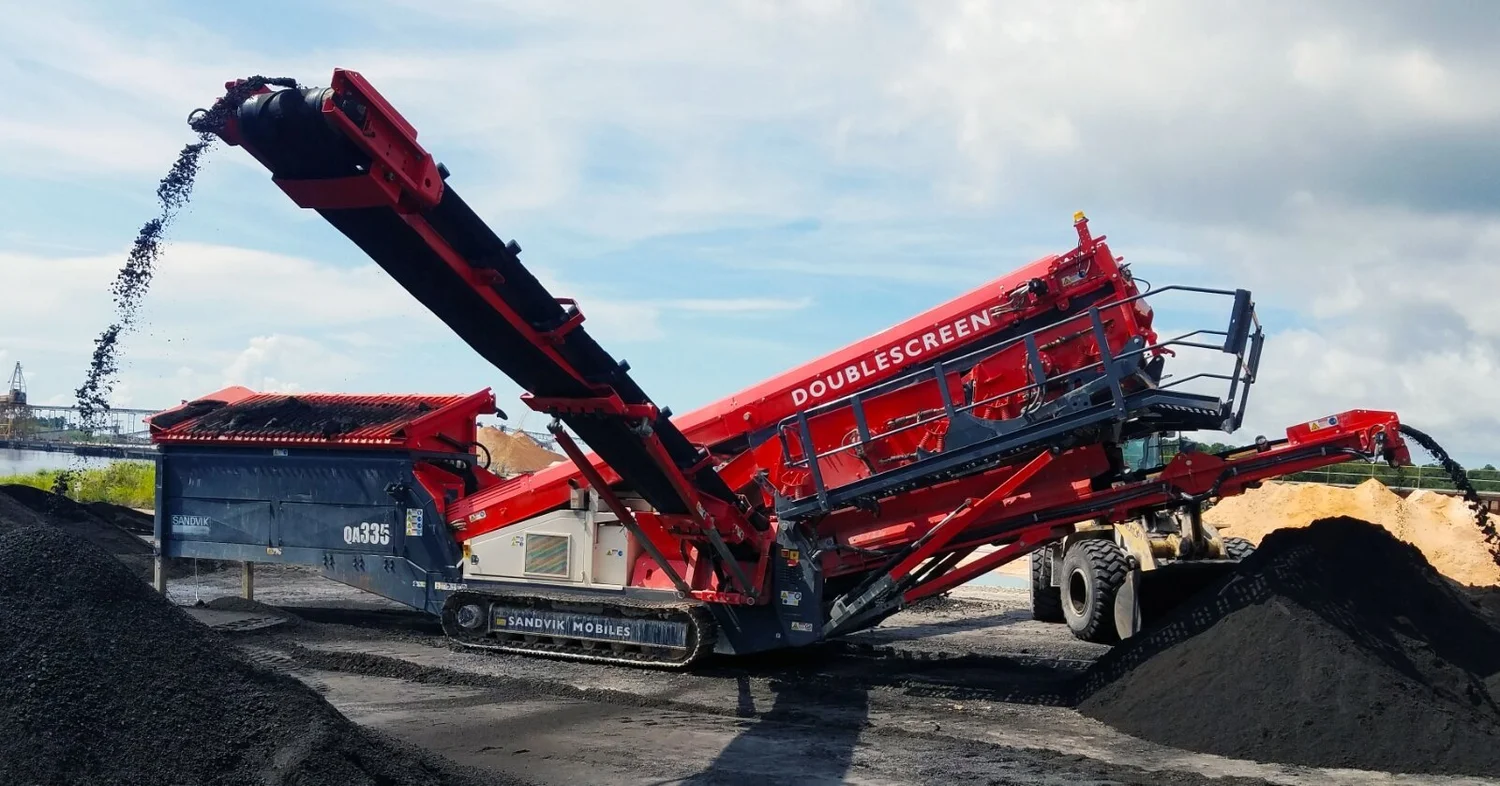
Not all millings are created equal. High-quality millings are relatively uniform in size (usually ranging from fine powder up to 1.5-inch chunks). Avoid loads that contain large, uncrushed slabs of old pavement, excessive dirt, or clay, as these will prevent proper compaction.
Understand Minimum Load Sizes
Many paving contractors and quarries have minimum order requirements. If you only need a single pickup truck bed's worth of material, commercial yards might turn you away or charge a premium. Conversely, if you order a full tri-axle dump truck, make sure your driveway and approach can handle a 60,000-pound vehicle without cracking your concrete apron or getting stuck in soft turf.
How to Install Asphalt Millings Properly
Getting a smooth, durable surface requires more than just dumping the pile and spreading it out. Follow these steps for professional-looking results:
- Excavate and Grade: Clear away topsoil, weeds, and organic matter. Grade the sub-base with a proper crown or slope to ensure adequate water drainage.
- Lay a Stable Sub-Base: If your native soil is extremely soft or clay-heavy, lay down a layer of larger crushed stone (like #3 or #4 aggregate) first to provide structural support.
- Spread the Millings: Use a tractor with a box blade or a skid steer to spread the millings evenly at a depth of 3 to 4 inches.
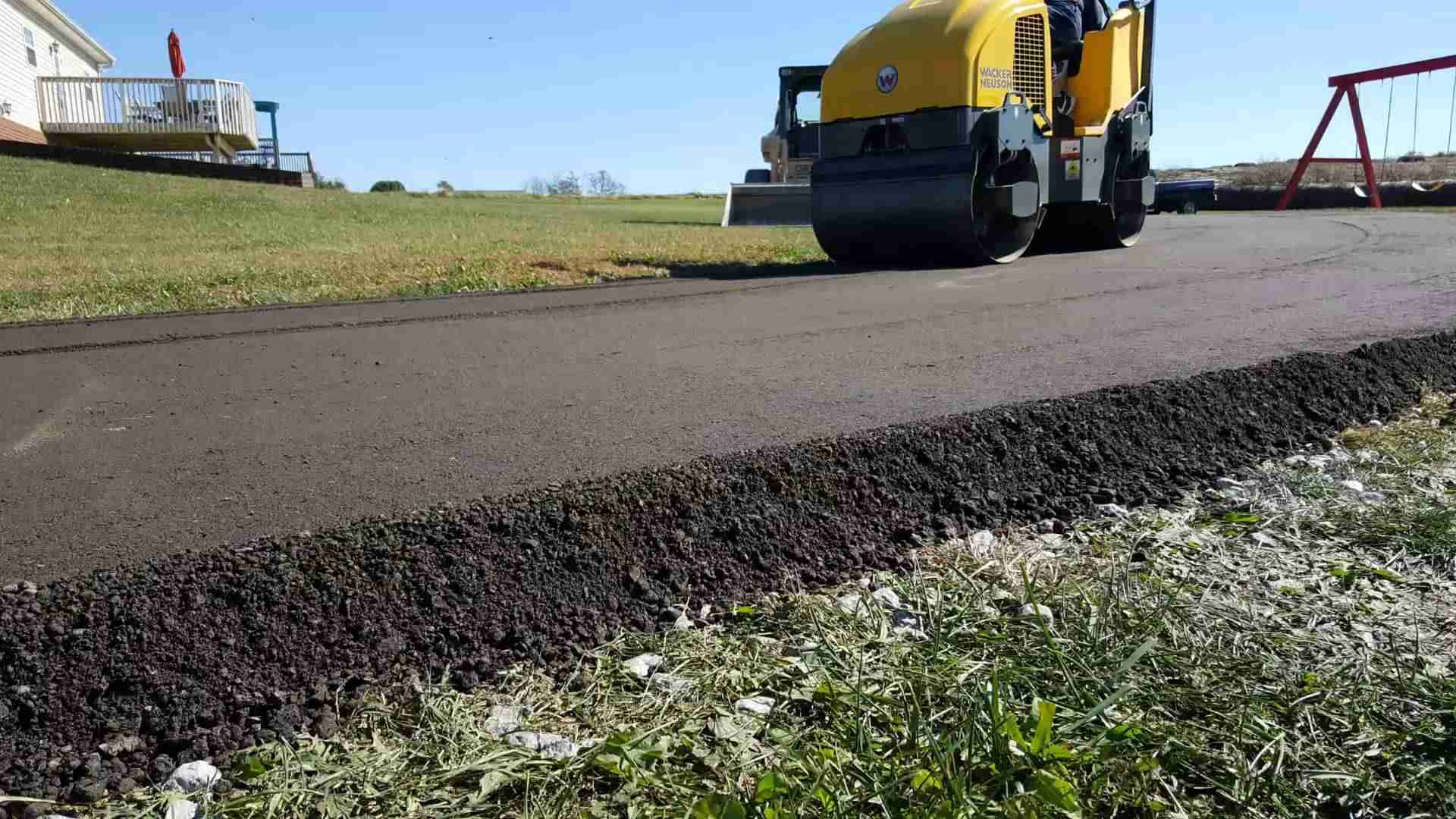
- Compact Thoroughly: Compaction is the most critical step. Rent a heavy vibratory steel-wheel roller (at least 2 to 3 tons) rather than a light plate compactor. Roll the surface multiple times on a hot, sunny day to help the tar bind.
- Allow Time to Cure: Keep heavy traffic off the new surface for a few days to let the millings fully settle and lock together under the sun's heat.
Final Thoughts
Sourcing asphalt millings for your property is a smart way to get a durable, low-maintenance surface on a budget. By reaching out to local paving contractors and inspecting the aggregate quality beforehand, you can secure a great deal on material that will last for years. Take your time with the sub-base preparation and heavy compaction, and your newly surfaced driveway or parking area will reward you with clean, mud-free performance.