ATI Testing Guide: Ace Your Nursing Exams
Understanding ATI Testing in Nursing Education

If you are pursuing a career in nursing, navigating ATI testing is a vital part of your academic journey. Assessment Technologies Institute (ATI) provides specialized evaluation tools, standardized exams, and learning resources designed to help nursing students master complex clinical concepts and prepare for the National Council Licensure Examination (NCLEX). From prerequisite entrance exams to end-of-program comprehensive predictors, ATI products are woven tightly into the curriculum of hundreds of nursing schools across the United States.
Knowing how these tests work and how to study for them can significantly reduce your stress levels. Whether you are preparing for your very first entrance assessment or trying to conquer a difficult med-surg proctored exam, having a structured approach to ATI testing is the key to achieving a passing or exemplary score.
The ATI TEAS Exam: Your Nursing School Gateway
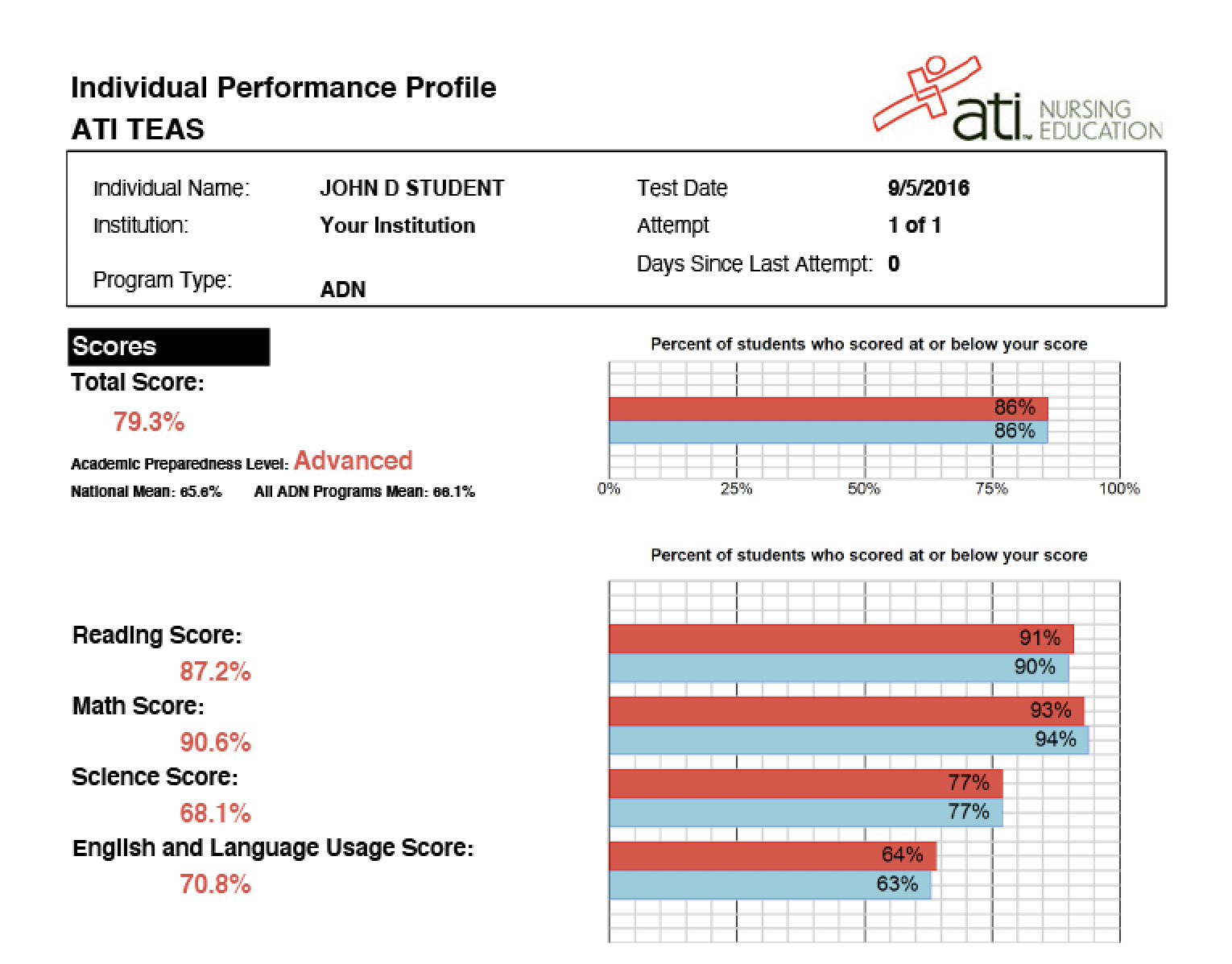
For most prospective nursing students, the initial introduction to this platform comes through the Test of Essential Academic Skills (TEAS). The ATI TEAS measures foundational knowledge in four core academic areas, determining whether an applicant possesses the cognitive skills necessary to succeed in a rigorous nursing program.
TEAS Subject Breakdown
The exam is broken down into four distinct sections, each timed separately:
- Reading: Key ideas and details, craft and structure, and integration of knowledge.
- Mathematics: Numbers and algebra, measurement and data.
- Science: Human anatomy and physiology, biology, chemistry, and scientific reasoning.
- English and Language Usage: Conventions of standard English, knowledge of language, and vocabulary acquisition.
Effective TEAS Preparation Strategies
Because the TEAS covers a broad range of general education topics, cramming is rarely effective. Start your preparation at least six to eight weeks before your scheduled test date. Take a diagnostic practice test first to identify your baseline weak spots. Focus your study hours heavily on those vulnerable areas—whether it is balancing chemical equations or mastering grammar rules—rather than reviewing subjects you already understand completely.
Mastering Content Mastery and Proctored Assessments
Once you are admitted into a nursing program, ATI testing shifts from admissions to curriculum support. Schools typically utilize Content Mastery Series (CMS) assessments at the end of specific nursing courses, such as Fundamentals, Pharmacology, Pediatrics, and Mental Health.
Why Proctored Exams Matter

Faculty members use proctored ATI exams to gauge how well students grasp core nursing concepts. More importantly, these exams highlight whether a student is at risk of struggling on the eventual NCLEX-RN or NCLEX-PN exam. Many programs require students to achieve a specific proficiency level (such as Level 2 or Level 3) to pass the course or to earn bonus points toward their final grade.
Interpreting ATI Proficiency Levels
ATI scores are generally reported using proficiency levels rather than traditional letter grades:
- Level 1: Indicates the student meets the minimum expectations for performance in the content area, showing a baseline level of knowledge.
- Level 2: Indicates the student exceeds minimum expectations, pointing to a solid grasp of the material and a strong likelihood of course success.
- Level 3: Indicates the student demonstrates a high level of performance, well above national averages, signifying mastery of the concepts.
How to Use Practice Assessments and Focused Reviews
One of the greatest advantages of the ATI platform is the availability of practice assessments (Practice A and Practice B) and tailored remediation tools. Ignoring these features is one of the biggest mistakes nursing students make.
The Power of Focused Reviewing
When you complete a practice test, the system generates a personalized Focused Review. This report directs you precisely to the chapters, modules, and concepts you missed. Instead of passively re-reading an entire textbook, open your ATI review books and actively study the exact pages highlighted in your Focused Review. Writing down rationales for both correct and incorrect answers helps reinforce clinical judgment.
Conquering Test Anxiety on Exam Day
Even with thorough preparation, high-stakes testing can trigger performance anxiety. Managing your physical and mental state on test day is just as important as knowing your pharmacology dosages.
Practical Exam-Day Tips
- Get Rest: Avoid pulling an all-nighter before a proctored exam. Cognitive fatigue impairs critical thinking and memory recall.
- Pace Yourself: Pay attention to the timer, but do not let it panic you. If you encounter a complex multiple-choice question, use the elimination method, flag it if the software allows, and move on.
- Read Every Word Carefully: ATI questions often feature subtle qualifiers like "except," "priority," "first," or "best." Read the stem of the question multiple times to ensure you understand what is being asked before looking at the options.
Final Thoughts on ATI Success
Succeeding in ATI testing requires discipline, active learning, and consistency. Treat practice exams not as tests of your worth, but as diagnostic tools that guide your learning. By embracing the remediation process, reviewing rationales deeply, and building your critical thinking skills early, you will clear academic hurdles with confidence and set yourself up for ultimate triumph on the NCLEX.