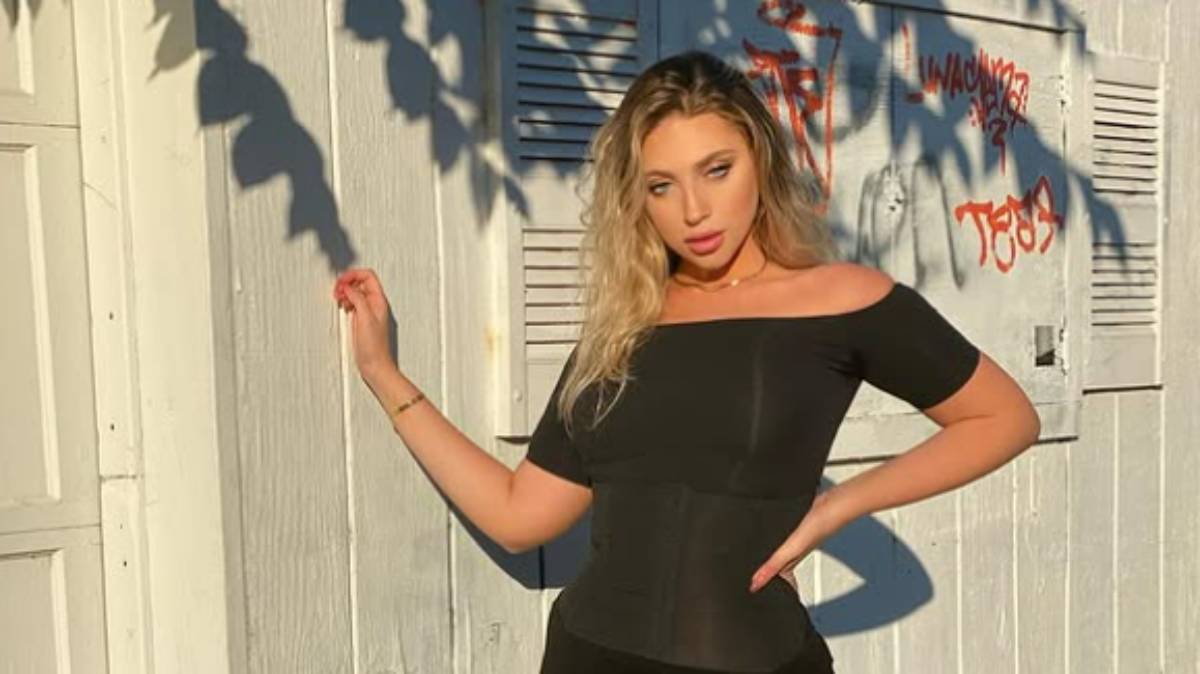
Ava Louise From Viral Fame to Infamy: The Full Story
Introduction: The Architecture of Modern Notoriety

In the digital age, attention is the ultimate currency. For some internet personalities, building an audience requires years of consistent, high-quality content creation. For others, the path is much faster—and much more chaotic. The trajectory of Ava Louise from viral fame to infamy serves as a textbook case study in how modern social media rewards shock value, boundary-pushing stunts, and relentless provocation.
Love her or loathe her, Ava Louise mastered the mechanics of algorithmic attention long before traditional media even knew her name. By understanding how outrage fuels engagement, she carved out a controversial niche that blurred the lines between genuine celebrity and digital notoriety. This is the story of how she rose to prominence, the stunts that defined her career, and what her journey reveals about the dark side of internet culture.
Early Beginnings and the Rise of Provocation
Before achieving widespread infamy, Ava Louise (born Ava Louise Capehart) was a typical aspiring influencer trying to find her footing on platforms like Instagram and YouTube. Early on, she realized that wholesome content rarely cut through the noise of millions of competing creators. Controversy, however, always performed well.
Her initial forays into the spotlight relied on extreme body-image commentary, aggressive callout culture, and unverified gossip about mainstream celebrities. By positioning herself as unapologetic and abrasive, she quickly attracted a polarized following. To her supporters, she was a fearless truth-teller breaking the sanitized mold of influencer culture. To her critics, she was a troll manufacturing drama for clout.
The Defining Stunts: From TikTok to National News
The turning point in Louise's career arrived when her digital antics crossed over from niche internet drama into mainstream news cycles. She intentionally courted controversy, utilizing platforms like TikTok to push boundaries as far as possible.
The Coronavirus Airplane Challenge
In March 2020, at the terrifying onset of the global COVID-19 pandemic, Louise filmed herself licking a filthy airplane toilet seat for a TikTok video, explicitly titling it the "coronavirus challenge." The stunt sparked global outrage, earning her widespread condemnation from health officials, the public, and fellow creators. While the stunt was widely condemned as reckless and unhygienic, it achieved its primary objective: it made her a global trending topic.
Fabricating Celebrity Rumors

Louise also gained notoriety for inserting herself into high-profile celebrity narratives. She notably claimed to have had an affair with a prominent musician, an allegation that generated massive media traction before being heavily scrutinized and debunked. These calculated fabrications demonstrated her willingness to manipulate media outlets and fan bases for personal visibility.
The Monetization of Infamy
Many observers wondered how someone universally disliked online could sustain a career. The answer lies in the economics of modern platforms. Views, shares, and comments—even overwhelmingly negative ones—translate directly into monetization opportunities.
Louise successfully transitioned her viral traffic into alternative revenue streams, capitalizing on her notoriety:
- Subscription Platforms: Utilizing sites like OnlyFans, she monetized her shock-value persona directly through loyal or curious paying subscribers.
- Brand Pivot: She frequently rebranded her persona from a traditional lifestyle influencer to an unapologetic "villain" of the internet, leaning heavily into the hate.
- Podcast and Media Appearances: By positioning herself as a controversial talk guest, she secured spots on various digital shows, continuously recycling her name back into the news cycle.
The Psychology of the Internet Villain
The phenomenon of individuals willingly embracing infamy highlights a profound shift in how young people view fame. In previous decades, public shame was a career-ending penalty. Today, for a specific sub-genre of creators, infamy is an asset.
Psychologically, internet villains thrive on parasocial friction. Audiences who despise a creator often consume more of their content than their actual fans do, tuning in out of morbid curiosity or righteous anger. Louise understood this feedback loop implicitly. Every think-piece, reaction video, and quote-tweet acted as free marketing, expanding her digital footprint exponentially.
The Legacy of Ava Louise
As social media algorithms continue to evolve, the playbook written by figures like Ava Louise has become increasingly common. It raises difficult questions about the mental toll of digital notoriety and the societal incentives that reward harmful behavior with fame.
Ultimately, the saga of Ava Louise from viral fame to infamy is less about a single individual and more about the ecosystem that created her. It serves as a stark reminder that in the attention economy, being infamous is often just as profitable as being famous—provided you are willing to pay the social cost.