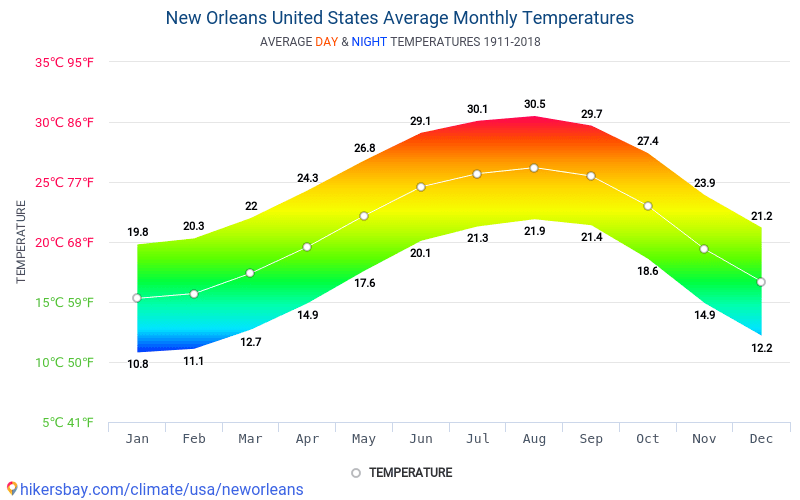
Average Monthly Temperatures in New Orleans: Year-Round Guide
Planning Your Trip: Understanding New Orleans Weather
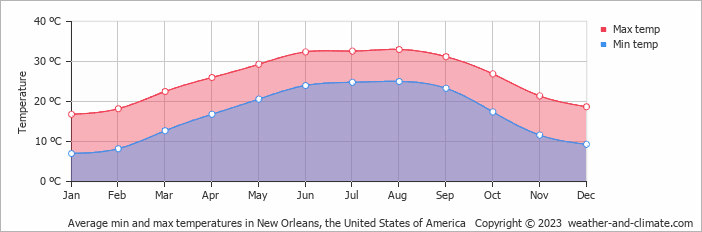
New Orleans is a city defined by its vibrant culture, incredible food, and unmistakable atmosphere. However, before you book your flights and pack your bags, understanding the climate is crucial for an enjoyable trip. Knowing the average monthly temperatures in New Orleans helps you pack the right clothes, avoid peak heat, or embrace the sub-tropical warmth.
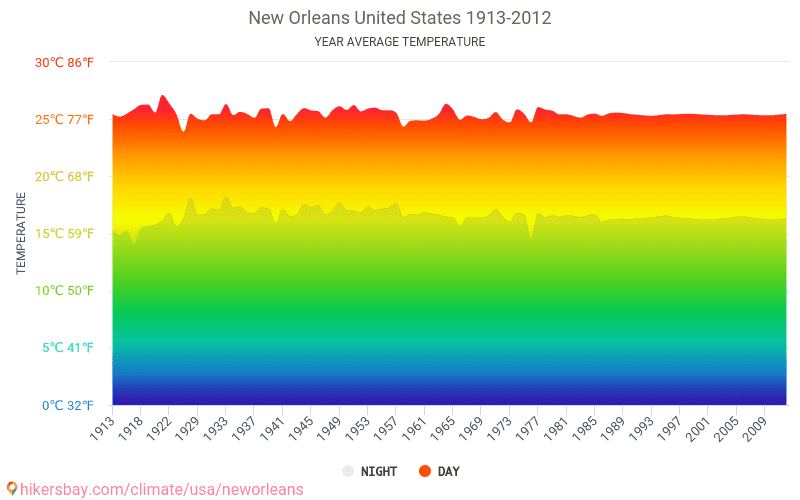
Situated in America's Gulf Coast region, the Crescent City features a humid subtropical climate. This means long, hot, and humid summers paired with mild, short, and comfortable winters. Rainfall is distributed fairly evenly throughout the year, though summer afternoon downpours and tropical storm systems are common. Whether you are coming for Mardi Gras in the winter or Jazz Fest in the spring, here is a complete breakdown of what to expect thermometer-wise month by month.
Spring (March to May): The Golden Season
Spring is widely considered the best time of year to visit New Orleans. The oppressive humidity of the summer has not yet arrived, and the winter chill is a distant memory. This season hosts many of the city's premier outdoor festivals.
March
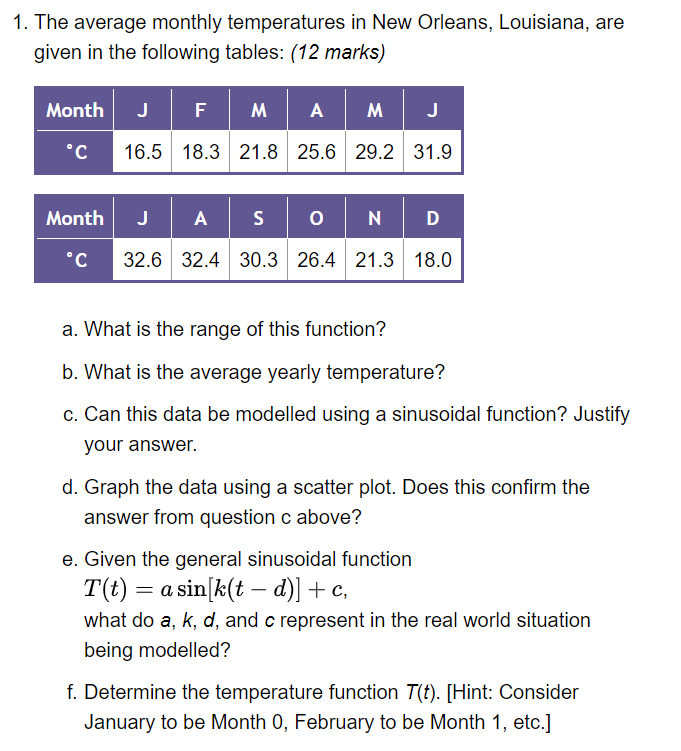
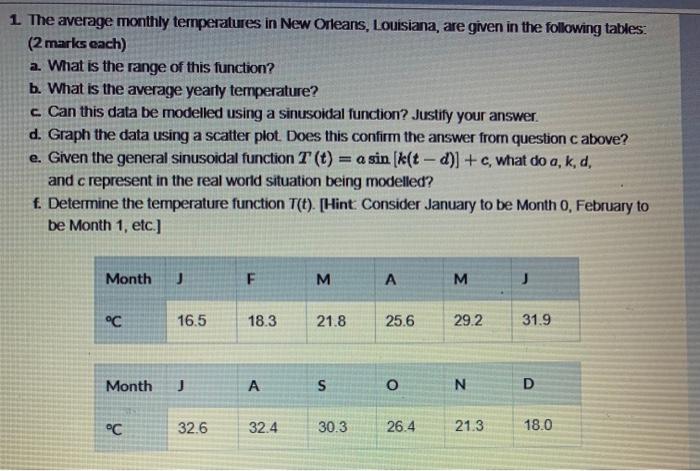
March brings a delightful warm-up. Average high temperatures reach 74°F (23°C), while lows hover around 54°F (12°C). It is comfortable walking weather, ideal for exploring the French Quarter or taking a streetcar up St. Charles Avenue.
April
April is arguably the most pleasant month of the year. Highs average 80°F (27°C) and lows sit comfortably at 60°F (16°C). Humidity remains relatively low, and rainfall is manageable, making outdoor dining and festival-going a joy.
May
By May, the sub-tropical climate begins to assert itself. The average high climbs to 87°F (31°C) with lows around 69°F (21°C). Humidity starts creeping upward, signaling the transition into the warmer summer months.
Summer (June to August): High Heat and Humidity
Summer in New Orleans is not for the faint of heart. High temperatures consistently push into the 90s, and the humidity levels can make it feel significantly hotter. Afternoon pop-up thunderstorms are a daily ritual.
June
June kicks off the true summer heat. Average high temperatures reach 90°F (32°C), and overnight lows rarely drop below 74°F (23°C). Air conditioning becomes your best friend as you navigate outdoor attractions.
July
July is typically the hottest month of the year. The average high hits 91°F (33°C), and the heat index often makes it feel well over 100°F (38°C). Mornings are the best time for outdoor activities before the heavy afternoon sun takes over.
August
August mirrors July in intensity. Average highs remain at 91°F (33°C) with lows at 75°F (24°C). This month also sits squarely in the peak of the Atlantic hurricane season, meaning travelers should keep a close eye on weather forecasts.
Autumn (September to November): Cooling Off
Autumn brings a welcome relief from the summer swelter. While September can still feel quite hot, temperatures drop steadily through October and November, bringing crisp, comfortable air back to the city.
September
September still holds onto summer characteristics, with average highs of 87°F (31°C) and lows of 72°F (22°C). However, towards the end of the month, a noticeable drop in humidity provides a preview of fall.
October
October is a fan-favorite month for locals and travelers alike. Average highs drop to a comfortable 79°F (26°C), and overnight lows fall to a crisp 61°F (16°C). Rainfall is typically lower during this month, making it great for walking tours and Halloween festivities.
November
November wraps up the autumn season with average highs of 70°F (21°C) and refreshing lows of 52°F (11°C). The weather is ideal for wearing light jackets and enjoying warm bowls of gumbo outdoors.
Winter (December to February): Mild and Festive
Winters in New Orleans are remarkably mild compared to most of the United States. Snow is exceptionally rare, and freezing temperatures happen only a few nights a year. It is a fantastic season to visit if you want to avoid heat and humidity.
December
December features pleasant daytime weather with average highs of 63°F (17°C) and lows of 45°F (7°C). The city sparkles with holiday decorations, and the cooler air makes exploring the historic streets very comfortable.
January
January is the coolest month of the year, though it is still mild by national standards. The average high is 62°F (17°C), and the average low dips to 44°F (7°C). A light coat or sweater is usually sufficient for evening outings.
February
February kicks off Carnival season and Mardi Gras parades. Temperatures begin an upward trend with average highs of 66°F (19°C) and lows of 47°F (8°C). The weather is generally crisp and clear, perfect for standing on parade routes for hours.
Summary of Average Temperatures (Fahrenheit & Celsius)
- Spring (Mar-May): Highs 74°F–87°F (23°C–31°C) / Lows 54°F–69°F (12°C–21°C)
- Summer (Jun-Aug): Highs 90°F–91°F (32°C–33°C) / Lows 74°F–75°F (23°C–24°C)
- Autumn (Sep-Nov): Highs 70°F–87°F (21°C–31°C) / Lows 52°F–72°F (11°C–22°C)
- Winter (Dec-Feb): Highs 62°F–66°F (17°C–19°C) / Lows 44°F–47°F (7°C–8°C)
Tips for Packing Based on New Orleans Weather
No matter what time of year you visit, checking the local forecast right before you leave is essential. However, general packing strategies include:
- Layering in Winter: Bring sweaters and a medium-weight jacket for chilly evenings, even if daytime temperatures feel mild.
- Breathable Fabrics for Summer: Pack lightweight linens and cottons to combat the heavy Gulf Coast humidity. Always carry a compact umbrella or rain poncho.
- Comfortable Walking Shoes: New Orleans is a walking city with historic, uneven sidewalks. Supportive footwear is a must year-round.
By keeping these average monthly temperatures in mind, you can select the ideal season for your travel style—whether that means enduring the summer heat for smaller crowds or joining the bustling spring festival season.