Avoiding Colorado Medicaid Provider Pitfalls
Navigating the healthcare landscape can be challenging, particularly when dealing with state-sponsored programs. For patients, families, and administrative staff alike, partnering with state health programs requires specific knowledge of state regulations, billing protocols, and communication standards. Whether you are a newly enrolled beneficiary, a caregiver managing a loved one's care, or an administrative coordinator, it pays to know how to avoid common pitfalls when working with Colorado Medicaid providers.
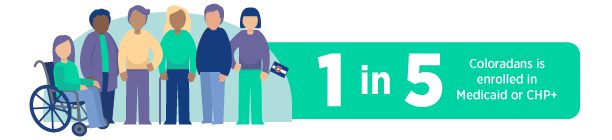
Colorado’s Department of Health Care Policy and Financing (HCPF) oversees Health First Colorado (Colorado's Medicaid program). While the network includes thousands of dedicated physicians, clinics, and specialists, misunderstandings regarding coverage rules, prior authorizations, and network participation frequently create friction. Understanding these challenges ahead of time helps ensure seamless medical care and prevents unexpected financial surprises.
Understanding Network Participation and Referrals
One of the most frequent mistakes patients make involves assuming that any doctor who accepts state insurance is automatically accepting new patients or participating in their specific managed care network. Colorado utilizes Accountable Care Collaborative (ACC) networks, which means your choice of primary care provider (PCP) dictates much of your referral pathway.
- Verify network status directly: Always call the provider's office to confirm they currently accept Health First Colorado, rather than relying solely on the online directory, which can sometimes lag behind real-time changes.
- Check managed care restrictions: Ensure your chosen physician is contracted with your specific Regional Accountable Entity (RAE) to avoid out-of-network denials.
- Secure necessary referrals: If you need to see a specialist, verify whether your PCP needs to submit a formal referral *before* the appointment takes place. Skipping this step can leave you responsible for the bill.
Navigating Prior Authorizations and Coverage Limits
Medical treatments, durable medical equipment (DME), and certain prescription drugs often require prior authorization (PA) from the state or its contractors. A common pitfall is assuming that because a doctor recommends a treatment, it is automatically approved and covered.
Providers and patients must work collaboratively to ensure all clinical documentation is submitted correctly the first time. Incomplete paperwork is the leading cause of delayed treatments. If a service is denied, pay close attention to the adverse benefit determination letter. It outlines your right to appeal and provides strict deadlines for submitting additional clinical evidence.
Preventing Prescription Drug Delays
Pharmacy benefits under Health First Colorado operate on a Preferred Drug List (PDL). Prescribing physicians may not always check the state’s PDL in real-time during a busy clinic visit. To avoid delays at the pharmacy counter:
- Ask your doctor if the prescribed medication is preferred on the Health First Colorado PDL.
- If a drug requires step therapy or prior authorization, ask the physician's office to submit the request immediately.
- Utilize the Colorado Medicaid pharmacy portal resources to stay informed about formulary changes.
Maintaining Accurate Member Information
Administrative errors can abruptly disrupt healthcare access. The state requires regular renewals and continuous updates to contact information, household size, and income. Many beneficiaries lose coverage temporarily simply because renewal packets were sent to an outdated address.
To prevent gaps in coverage, report any changes in your life—such as a move, a new job, or a growing family—to the Colorado PEAK system immediately. Keeping your details current ensures that your providers can verify your active status without administrative delays during check-in.
Effective Communication Strategies
Clear communication bridges the gap between complex state policies and patient needs. When interacting with billing departments and clinical staff, keep meticulous records of your conversations.
Always ask for the name of the representative you speak with, note the date and time, and write down reference numbers for any grievances or authorization inquiries. If a billing dispute arises regarding a service that should be covered under Health First Colorado, having a documented paper trail empowers you to resolve the issue swiftly through provider relations or state ombudsman programs.
Conclusion
Working successfully within the state's healthcare framework requires patience, proactive communication, and strict attention to administrative details. By verifying network statuses early, staying on top of prior authorizations, and keeping your eligibility data accurate, you can sidestep the most frequent hurdles. Being informed transforms a potentially frustrating bureaucratic experience into a smooth pathway for receiving quality healthcare services in Colorado.