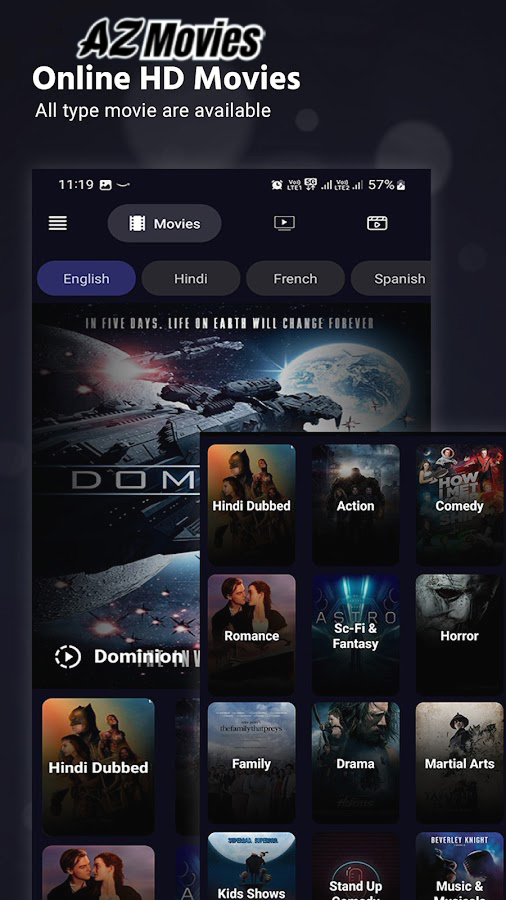
AZMovies Review: Safety, Legality, & Free Alternatives
When hunting for on-demand entertainment without a subscription fee, many viewers stumble upon azmovies. Known across streaming forums for its massive library of recent blockbusters and classic cinema, the platform attracts millions of clicks every month. However, behind its clean interface lies a complex web of legal questions, cybersecurity vulnerabilities, and operational instability. Before using this service, it is crucial to understand what it actually offers, the real risks involved, and the safer alternatives available.

How Does AZMovies Work?
Unlike subscription platforms such as Netflix, Hulu, or Disney+, AZMovies does not produce original content or pay licensing fees to film studios. Instead, it operates primarily as an indexer. The site hosts an extensive database of movie titles, complete with synopsis cards, release dates, and cast lists, but it embeds video streams pulled from third-party file-hosting servers.
Because the platform relies on external hosts, its stream reliability fluctuates. A movie available in 1080p resolution today might show a dead link tomorrow. To stay online amidst copyright takedowns, the operators frequently migrate the platform across various top-level domains (such as .net, .org, or country-code TLDs) and deploy mirror websites. This decentralized architecture keeps the service accessible to users, but it also creates an unpredictable viewing environment.
Is AZMovies Safe and Legal to Use?
The short answer is nuanced, but from both a legal and cybersecurity standpoint, unofficial streaming sites present genuine hazards that users should not ignore.
The Legal Landscape
From a copyright perspective, hosting and distributing copyrighted content without authorization constitutes copyright infringement under laws such as the U.S. Digital Millennium Copyright Act (DMCA) and the European Union Copyright Directive. While civil enforcement generally targets the site operators and web hosts rather than individual viewers, end-user exposure is not nonexistent.
In several jurisdictions, knowingly streaming unlicensed material can lead to warning letters or bandwidth throttling from Internet Service Providers (ISPs). Because these platforms operate outside the bounds of legitimate commerce, they lack any official consumer protections or accountability.
Cybersecurity and Malware Hazards
While the website itself might not immediately deploy an executable file onto your computer, its business model revolves around aggressive advertising networks. Legitimate ad networks like Google AdSense do not monetize copyright-infringing websites, forcing platforms like this to partner with high-risk ad syndicates. Common hazards include:
- Malvertising: Rogue display ads that attempt to execute silent drive-by downloads or exploit unpatched vulnerabilities in your web browser.
- Deceptive Pop-unders: Clicking a play button often triggers hidden browser tabs pushing adult games, fake virus scanners, or rogue software updates.
- Phishing Campaigns: Redirects that mimic legitimate streaming platforms or ISP login portals designed to harvest passwords and credit card credentials.
- Cryptojacking Scripts: Hidden JavaScript embedded in video players that borrows your computer's CPU power to mine cryptocurrency while the tab remains open.
The User Experience: Interface vs. Frustration
On paper, the website's minimalist catalog looks appealing. It categorizes titles by genre, year, and popularity, boasting a built-in search bar with auto-suggestions. However, navigating the actual playback process is often tedious.
Users typically face multiple layers of redirects before a video begins. Clicking anywhere on the player often launches unwanted sponsor tabs. Furthermore, video streams may buffer aggressively during peak evening hours, and closed captions are either missing or poorly synchronized. While the platform claims to offer "HD" content, video compression on third-party servers often degrades picture and audio quality significantly compared to licensed platforms.

How to Mitigate Streaming Risks
If you choose to browse third-party indexing sites despite the risks, practicing strict digital hygiene is non-negotiable:
- Install a Robust Ad Blocker: Use open-source extensions like uBlock Origin to suppress intrusive pop-ups, scripts, and trackers before they load.
- Keep Software Updated: Ensure your operating system and web browser run the latest patches to prevent drive-by exploit kits from exploiting known flaws.
- Avoid Inputting Any Personal Data: Never create an account, enter an email address, or provide payment details on an unofficial streaming directory.
- Use Reliable Antivirus Software: Maintain active real-time protection to identify and quarantine malicious payloads immediately.
Best Legal and Free Alternatives to AZMovies
You do not need to expose your hardware to malware or navigate copyright gray areas to watch movies for free. The streaming landscape features several fully legal, ad-supported streaming television (FAST) platforms that carry extensive, studio-licensed catalogs at zero cost:
1. Tubi TV
Owned by Fox Corporation, Tubi hosts tens of thousands of movies and TV episodes from major studios like Lionsgate, Paramount, and MGM. The service is 100% free, requires no account to start watching, and features a clean, ad-supported interface with legitimate, vetted advertisements.
2. Pluto TV
Paramount's Pluto TV combines on-demand movies with hundreds of curated live channels. It provides a television-like experience on smart TVs, mobile apps, and browsers without subscription fees or security risks.
3. Amazon Freevee
Amazon's ad-supported service features a mix of Hollywood releases, classic TV series, and high-budget originals. It integrates seamlessly into the Prime Video app, offering premium playback speeds and reliable HD streams for free.
4. Kanopy and Hoopla
If you hold a public library card or university ID, you likely have access to Kanopy or Hoopla. These platforms offer ad-free streaming of prestige cinema, critically acclaimed indie films, documentaries, and foreign features, funded entirely through municipal educational budgets.
The Bottom Line
While unauthorized platforms like this draw interest by promising every movie imaginable without a paywall, the hidden costs include security threats, constant redirects, and unstable links. Given the rapid rise of fully licensed, free platforms like Tubi, Pluto TV, and Freevee, taking risks with unofficial aggregators is increasingly unnecessary for modern film fans.