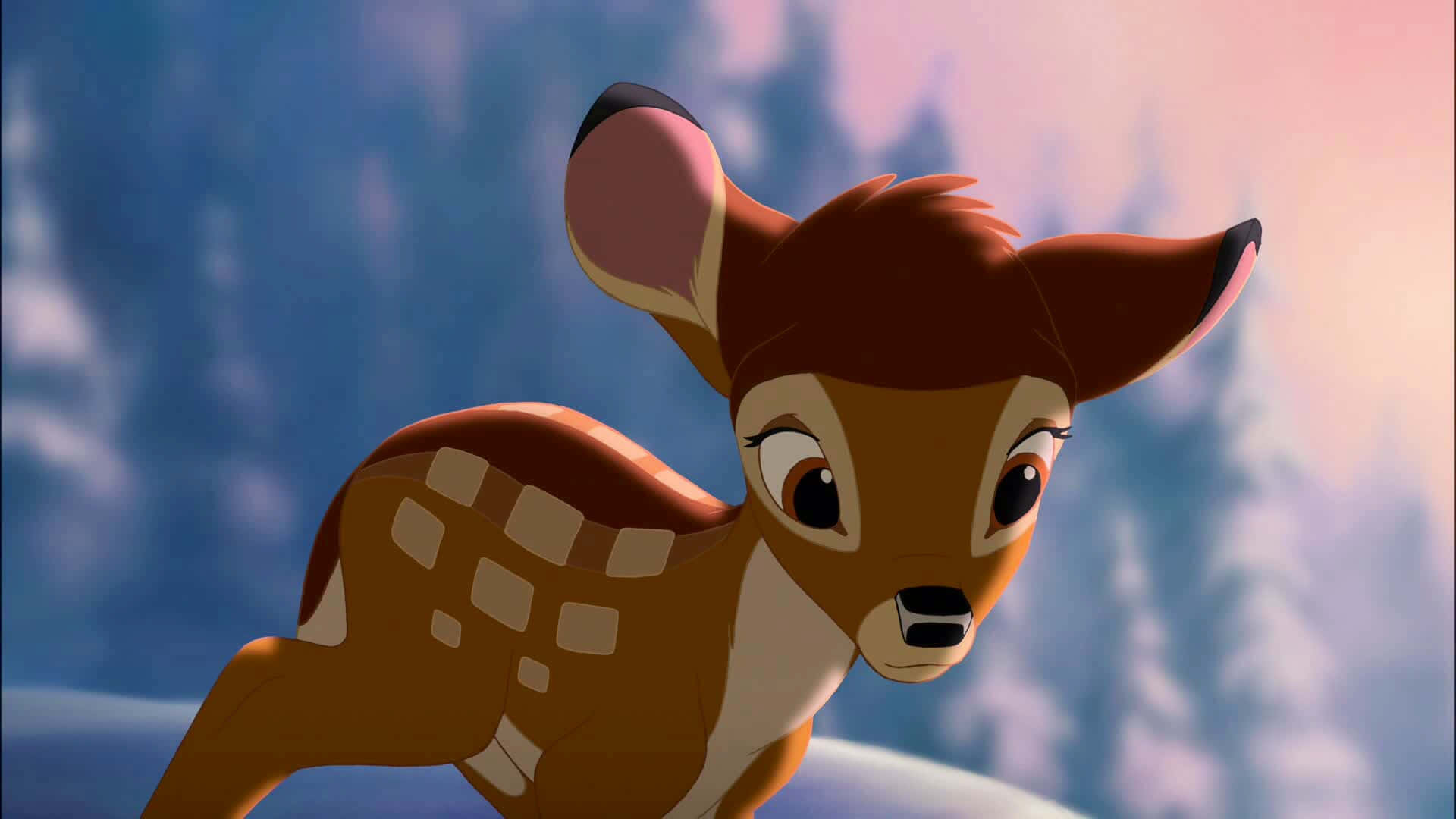
Bambi Doe Legacy: Positive or Negative? Experts Weigh In
Few cultural touchstones have left as enduring an imprint on the public imagination as the death of Bambi’s mother. When Walt Disney released Bambi in 1942, the studio did more than produce a timeless animated masterpiece; it fundamentally altered how human beings perceive wildlife, hunting, and forest ecosystems. Decades later, conservationists, bioethicists, and land managers still wrestle with its long-term consequences: is the Bambi Doe legacy positive or negative? Experts weigh in with sharply contrasting arguments, revealing an ongoing tension between animal empathy and biological reality.

The Cultural Origin of the “Bambi Doe” Phenomenon
To understand the debate, one must understand how unusual Disney’s portrayal was at the time. Prior to the mid-20th century, wildlife was largely viewed through utilitarian or sport-oriented lenses. Wild game was managed primarily to sustain harvestable populations, eradicate agricultural pests, and generate revenue for state agencies.
Disney broke this paradigm by anthropomorphizing forest animals with emotional nuance, innocence, and familial affection. The nameless female deer—frequently referenced by cultural historians and wildlife professionals as the archetypal “Bambi Doe”—became the universal symbol of vulnerable, blameless nature. When she was shot off-screen by the unseen antagonist “Man,” generations of viewers internalized a powerful emotional aversion to hunting, particularly the hunting of female deer.
The Positive Perspective: Compassion, Ethics, and Animal Welfare
Many ethicists, animal welfare scholars, and environmental educators argue that the legacy of Bambi’s mother was overwhelmingly beneficial for modern conservation consciousness.
1. Catalyzing Modern Environmental Empathy
Before the mid-20th century, broad public engagement in environmental causes was limited. By framing wild animals as sentient beings with social bonds and survival struggles, the film helped lay the emotional groundwork for the burgeoning animal welfare and environmental movements of the 1960s and 1970s.
Bioethicists note that without empathy, public support for conservation legislation—such as the Endangered Species Act of 1973—would have faced much stiffer resistance. The tragic doe transformed wildlife from impersonal biological units into individual lives worthy of moral consideration.
2. Reining in Unregulated Exploitation
In the early decades of North American wildlife management, game laws were frequently disregarded, and market hunting had previously driven species like the white-tailed deer and passenger pigeon to near-collapse. The emotional resonance of the Bambi doe established a cultural stigma around reckless, unethical hunting practices. It forced recreational hunting communities to emphasize fair chase principles, hunter education, and stricter regulatory adherence.
The Negative Perspective: The “Bambi Effect” and Ecological Imbalance
Despite its moral appeal, professional wildlife biologists, foresters, and population ecologists often view the legacy with deep concern. In academic circles, this is commonly referred to as the “Bambi Effect”—an intense, emotion-driven opposition to hunting or lethal wildlife management, regardless of empirical ecological necessity.
1. The Doe Protection Taboo and Population Explosions
In scientific wildlife management, controlling herd density depends almost entirely on the harvest of female deer (does). Harvesting bucks has little impact on overall reproduction because remaining males can breed with multiple females. However, because Disney cast the mother doe as the ultimate symbol of maternal innocence, hunters and the broader public developed a fierce psychological resistance to shooting does.
For several decades in mid-to-late 20th-century America, state game agencies faced immense political blowback whenever they proposed antlerless deer seasons. Consequently, white-tailed deer numbers surged from an estimated 300,000 in the early 1900s to more than 30 million across North America today. In many regions, deer populations have vastly exceeded the ecological carrying capacity of their habitats.

2. Ecological Degradation and Trophic Cascades
When sentimental attachments impede population control, entire ecosystems suffer. Ecologists point to multiple disastrous consequences of chronic overpopulation:
- Forest Understory Decimation: Overabundant deer herds strip away young saplings, native shrubs, and wild flora. This prevents natural forest regeneration and eradicates essential cover.
- Loss of Biodiversity: Ground-nesting and shrub-nesting songbirds have seen documented population declines in areas where dense deer herds have cleared the lower forest canopy.
- Disease Proliferation: Unchecked herd densities accelerate the transmission of fatal pathogens, such as Chronic Wasting Disease (CWD), as well as blacklegged ticks responsible for Lyme disease in humans.
- Public Safety Risks: Deer-vehicle collisions now exceed 1.5 million incidents annually in the United States alone, causing hundreds of human fatalities and billions of dollars in property damage.
Is the Bambi Doe Legacy Positive or Negative? Experts Weigh In
Because the consequences span ethics, culture, and empirical science, expert opinion remains split along disciplinary lines.
The Wildlife Biologists’ Assessment
State wildlife biologists and natural resource specialists generally lean negative regarding the practical management impact. They argue that sentimental anthropomorphism prevents the public from accepting basic ecological realities: mortality is a natural regulatory mechanism, and unchecked reproduction leads to mass starvation, habitat devastation, and disease.
Dr. Valerius Geist, a renowned mammalogist and ungulate expert, frequently wrote that Disney’s portrayal severed the public’s connection to biological realism, replacing it with an urbanized fairytale of nature where animals live in harmonious, conflict-free communion unless interrupted by humans. When real-world culling becomes necessary to save a woodland from desertification, biologists often find their scientific data drowned out by emotional campaigns rooted in the iconic doe’s legacy.
The Environmental Ethicists’ Assessment
Conversely, environmental ethicists and animal behaviorists caution against dismissing the legacy as mere sentimentalism. They highlight that recent cognitive ethology increasingly confirms what Disney intuited: many social mammals experience grief, stress, and complex maternal bonds. Treating animals strictly as crop-like commodities to be maximized or cleared is ethically insufficient in modern society.
From this vantage point, the legacy is positive because it demands that wildlife management justify itself not just economically, but morally. It requires conservationists to pursue humane methods, respect non-human sentience, and communicate transparently with an empathetic public.
Synthesizing the Two Views: Moving Toward Mature Stewardship
Can the positive moral awareness inspired by the Bambi doe coexist with the hard science of ecological balance? Many modern conservation organizations believe it can.
Progressive wildlife management increasingly strives for an approach that honors both perspectives:
- Transparent Scientific Communication: State agencies must explain why doe harvesting protects the broader herd from starvation and prevents habitat collapse, framing herd reduction as an act of ecosystem preservation rather than hostility toward wildlife.
- Non-Lethal Management Exploration: Where feasible in urban and suburban fringes, managers invest in fertility control, vegetative barriers, and wildlife corridors to address human-wildlife conflicts without reflexively defaulting to culling.
- Reintegrating Empathy with Ecology: Echoing the philosophies of conservation pioneer Aldo Leopold, true environmental stewardship requires both love for individual creatures and reverence for the integrity of the biotic community as an indivisible whole.
Conclusion
The legacy of the Bambi doe is neither purely positive nor entirely negative; it is a profound cultural paradox. On one hand, it sparked unprecedented empathy for wild creatures, helping transform a society of resource exploiters into one that values animal life. On the other, it burdened wildlife managers with an emotional taboo that disrupted biological equilibrium and fueled environmental degradation. Ultimately, the challenge for modern society is not to extinguish the compassion Disney ignited, but to temper it with the ecological wisdom required to care for entire living landscapes.