Bankrate Loan Calculator Amortization Guide
Securing a loan—whether for a home, a car, or debt consolidation—is one of the most consequential financial decisions you will make. While most borrowers focus exclusively on their monthly payment, that number tells only half the story. To understand the true cost of borrowing, you need to see how every single dollar is split between principal reduction and lender interest over time. When planning your borrowing strategy, using a bankrate loan calculator amortization tool provides a transparent, month-by-month blueprint of your debt journey, allowing you to optimize repayment and save thousands of dollars.
What Is Loan Amortization?
Amortization is the accounting process of spreading out a loan into a series of equal, periodic installments over a predetermined term. While your total payment remains constant (assuming a fixed-rate loan), the underlying mechanics shift dramatically with each payment you make.
In the early stages of an amortized loan, the lender calculates interest based on your remaining large principal balance. Consequently, the bulk of your early monthly payments goes toward interest charges, with only a small portion chipping away at the actual balance. Over time, as the principal balance decreases, the interest charged each month also declines. By the later years of the loan, the ratio flips: the majority of each payment attacks the principal, accelerating your equity build-up until the balance reaches zero.
Mastering the Bankrate Loan Calculator Amortization Tool
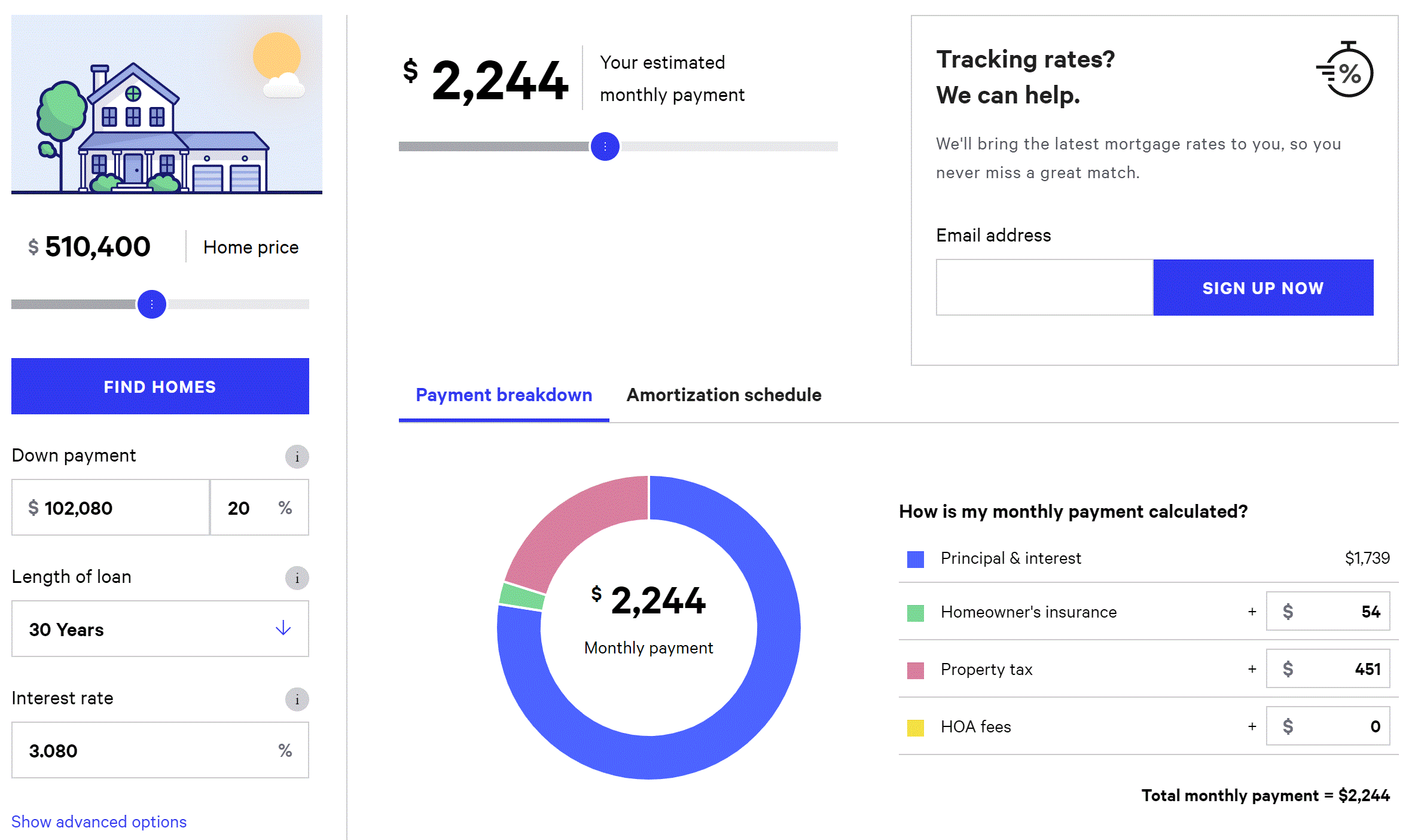
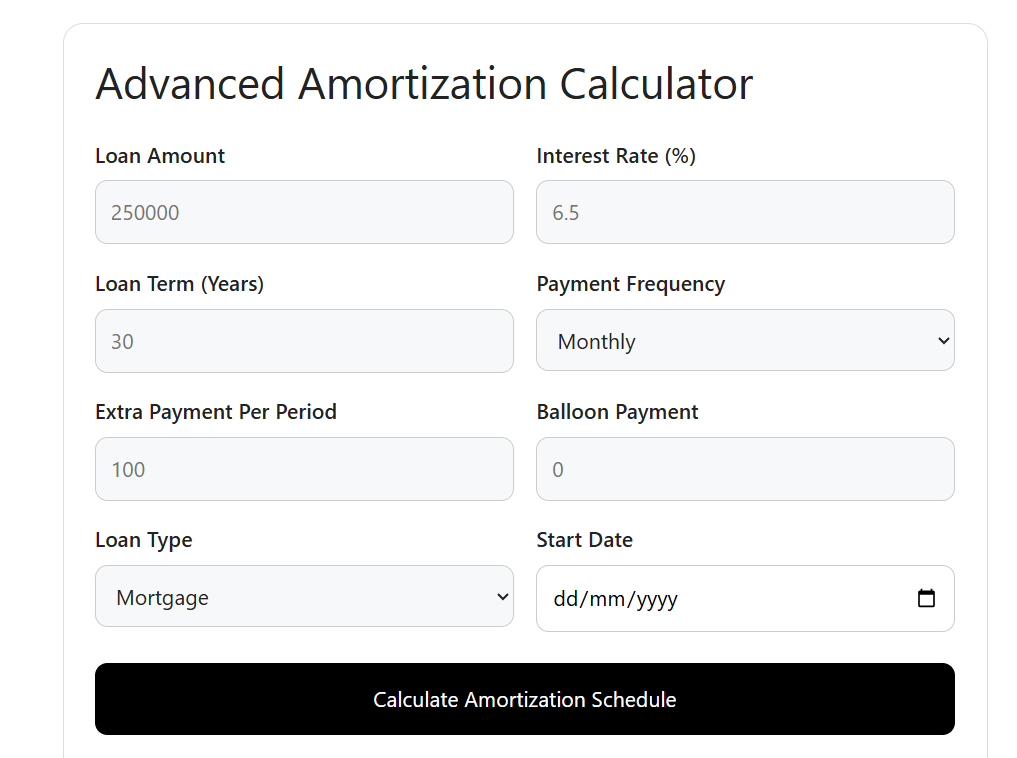
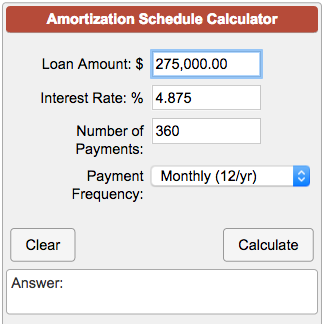
Financial calculators, such as Bankrate's loan amortization tool, automate the complex mathematical formulas behind lending schedules. Instead of manually calculating compound interest fractions, you enter a few fundamental parameters to generate a detailed payoff forecast.
Key Inputs You Will Need
- Loan Amount: The total principal you plan to borrow (purchase price minus your down payment).
- Loan Term: The duration of the loan, usually expressed in years (e.g., 15 or 30 years for mortgages; 3 to 7 years for auto loans).
- Interest Rate: The annual percentage rate (APR) charged by the lender.
- Start Date: The month and year your first payment begins.
Interpreting the Generated Output
Once you input these figures, the calculator generates two primary views: a high-level summary and an amortization table. The summary reveals your base monthly principal-and-interest payment, the total amount of interest you will pay across the life of the loan, and the combined overall cost of the borrowing arrangement.
How to Read an Amortization Schedule
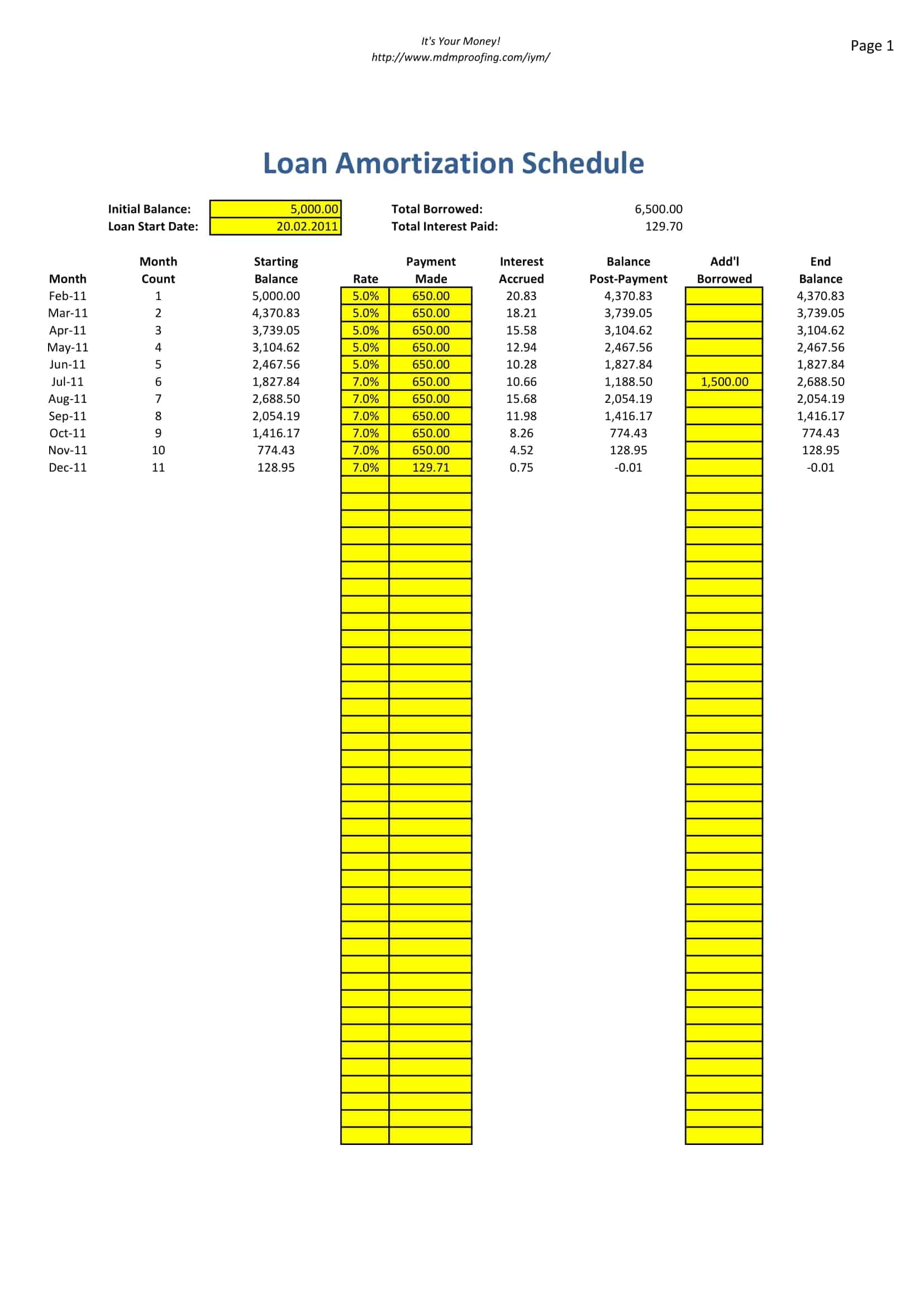
An amortization schedule is an itemized ledger detailing every payment across the entire loan lifespan. It is typically organized into six core columns:
- Payment Number / Date: Identifies the specific installment sequence and due date.
- Beginning Balance: The remaining principal owed before that month's payment is processed.
- Payment Amount: Your scheduled regular payment (excluding escrow for taxes or insurance).
- Principal: The portion of the current payment that directly reduces what you owe.
- Interest: The lender's fee for borrowing the money, calculated against the beginning balance.
- Ending Balance: The remaining principal balance carried forward to the next billing cycle.
Reviewing this schedule reveals the exact moment your loan crosses the "tipping point"—the milestone where more than 50% of your monthly payment goes toward the principal balance rather than interest.
A Real-World Example: 15-Year vs. 30-Year Mortgage
Video: Loan Amortization Table with Extra Payments-Fully flexible home loan calculator -Mortgage Calculator
To see amortization dynamics in action, consider a $350,000 fixed-rate home loan at an interest rate of 6.5%. Comparing a standard 30-year term against a 15-year term reveals how duration dictates interest burden:

- 30-Year Loan: Your monthly payment is approximately $2,212. Over 360 payments, you repay the $350,000 principal plus an astonishing $446,406 in total interest. The complete cost of the loan reaches $796,406.
- 15-Year Loan: Your monthly payment rises to approximately $3,048 (an extra $836 per month). However, over 180 payments, you pay only $198,641 in total interest.
By shortening the amortization window, you commit to a higher monthly payment but save nearly $248,000 in interest charges while owning your home 15 years sooner.
Accelerating Debt Payoff with Extra Payments
One of the greatest benefits of using an amortization calculator is modeling how extra payments shorten your payoff timeline. Because interest is calculated against the remaining balance, any extra money directed specifically toward the principal reduces all future interest charges.
1. Recurring Monthly Additions
Adding even $100 or $200 directly to your principal each month makes a massive difference on long-term debt. On a $350,000, 30-year loan at 6.5%, adding $150 per month to the principal cuts roughly four years off the repayment term and eliminates over $60,000 in interest.
2. The Bi-Weekly Payment Strategy
Instead of making 12 monthly payments per year, you pay half your monthly amount every two weeks. Because the calendar contains 52 weeks, you make 26 half-payments, which equates to 13 full monthly payments annually. That single extra monthly payment per year can slice four to six years off a standard 30-year mortgage without requiring drastic lifestyle cutbacks.
3. Lump-Sum Contributions
You can also use the calculator to see the impact of occasional windfalls, such as tax refunds, work bonuses, or inheritance. Applying a one-time $10,000 payment early in the loan's lifecycle delivers far greater long-term savings than applying that same amount years later, because you eradicate compound interest before it has a chance to accumulate.
Factors Amortization Calculators Leave Out
While an amortization schedule provides mathematically precise calculations for loan mechanics, it does not always represent your total housing or borrowing payment. Keep these missing variables in mind:
- Property Taxes and Homeowners Insurance: For mortgages, your lender typically collects property taxes and hazard insurance in an escrow account, adding hundreds of dollars to your monthly out-of-pocket check.
- Private Mortgage Insurance (PMI): Conventional borrowers who put down less than 20% must pay PMI until they reach 20% to 22% equity.
- Origination and Closing Fees: Upfront closing costs or administrative loan origination fees increase your effective APR, even if they aren't detailed in the core amortization schedule.
- Prepayment Penalties: While rare on modern residential mortgages, certain personal, auto, or commercial loans still carry fees if you pay off the balance ahead of schedule. Always confirm your loan agreement allows penalty-free prepayment.
Final Thoughts
Gaining control over debt requires understanding how interest accrues. Relying on an amortization calculator transforms an intimidating debt figure into a tangible, trackable schedule. By visualizing the relationship between principal and interest, you can evaluate different loan offers, test payment strategies, and craft an aggressive debt-freedom timeline that fits your household budget.