Bedknobs and Broomsticks Estate Sales: Complete Guide
Estate liquidations are an inevitable part of major life transitions, whether you are managing an inheritance, downsizing for retirement, or clearing a home for sale. Among reputable liquidation specialists, bedknobs and broomsticks estate sales have developed a loyal following among seasoned antique hunters, interior designers, and families seeking compassionate estate transition services. Navigating these events—either as an attendee hunting for rare treasures or as a client consigning a lifetime of personal belongings—requires an understanding of how professional estate liquidations are organized, priced, and executed.

What Sets Boutique Estate Liquidators Apart?
Unlike massive clearinghouse liquidators that treat personal estates like bulk scrap, boutique operations pride themselves on curating the sale environment. The name evokes nostalgia, craftsmanship, and a touch of vintage charm, setting expectations for a sale focused on character, domestic history, and unique collectibles.
Professional estate liquidators act as project managers for what is often an emotionally overwhelming task. Their services generally cover:
- Cataloging and appraisal: Accurately identifying fine art, mid-century modern furniture, precious metals, and historical ephemera.
- On-site staging: Transforming lived-in spaces into organized, retail-style showrooms where items are displayed safely and attractively.
- Multi-channel marketing: Announcing events to targeted mailing lists, collector forums, and digital estate sale platforms.
- Crowd management and security: Regulating foot traffic into the residence to safeguard high-value goods and respect neighborhood zoning.
How Bedknobs and Broomsticks Estate Sales Work
Understanding the standard timeline of a curated estate sale helps both shoppers and prospective clients know what to expect from initial contact to the final clearance.
1. The Initial Consultation and Discovery
For families organizing an estate, the process begins with an in-home evaluation. Liquidators inspect the volume, quality, and condition of items across the property. A crucial rule of thumb given to clients at this stage: never throw anything away before the professionals arrive. What family members often dismiss as clutter—such as retro paper goods, old advertising tins, or well-worn workwear—frequently holds significant secondary market value.
2. Research and Pricing
Every piece is assessed using current market comparable sales. A reputable estate sale coordinator leverages databases, auction histories, and relationships with specialized appraisers to ensure high-end pieces are neither underpriced nor priced out of the local buyer market.
3. Public Sale Execution
Sales usually span two to four days, typically running from Thursday or Friday through the weekend. Operations follow standard industry pricing tiers:
- Day One: Full marked price. Attracts serious collectors, resellers, and early birds looking for irreplaceable items.
- Mid-Sale: Small discounts (often 20% to 25% off) to encourage movement on secondary goods.
- Final Day: Deep discounts (frequently 50% or more) and bundle offers aimed at clearing out the remaining inventory.
The Shopper’s Guide: Tips for Scoring the Best Finds
Attending a high-interest estate sale can be competitive. Follow these best practices to ensure a productive and enjoyable visit:
Arrive Early for Entry Numbers
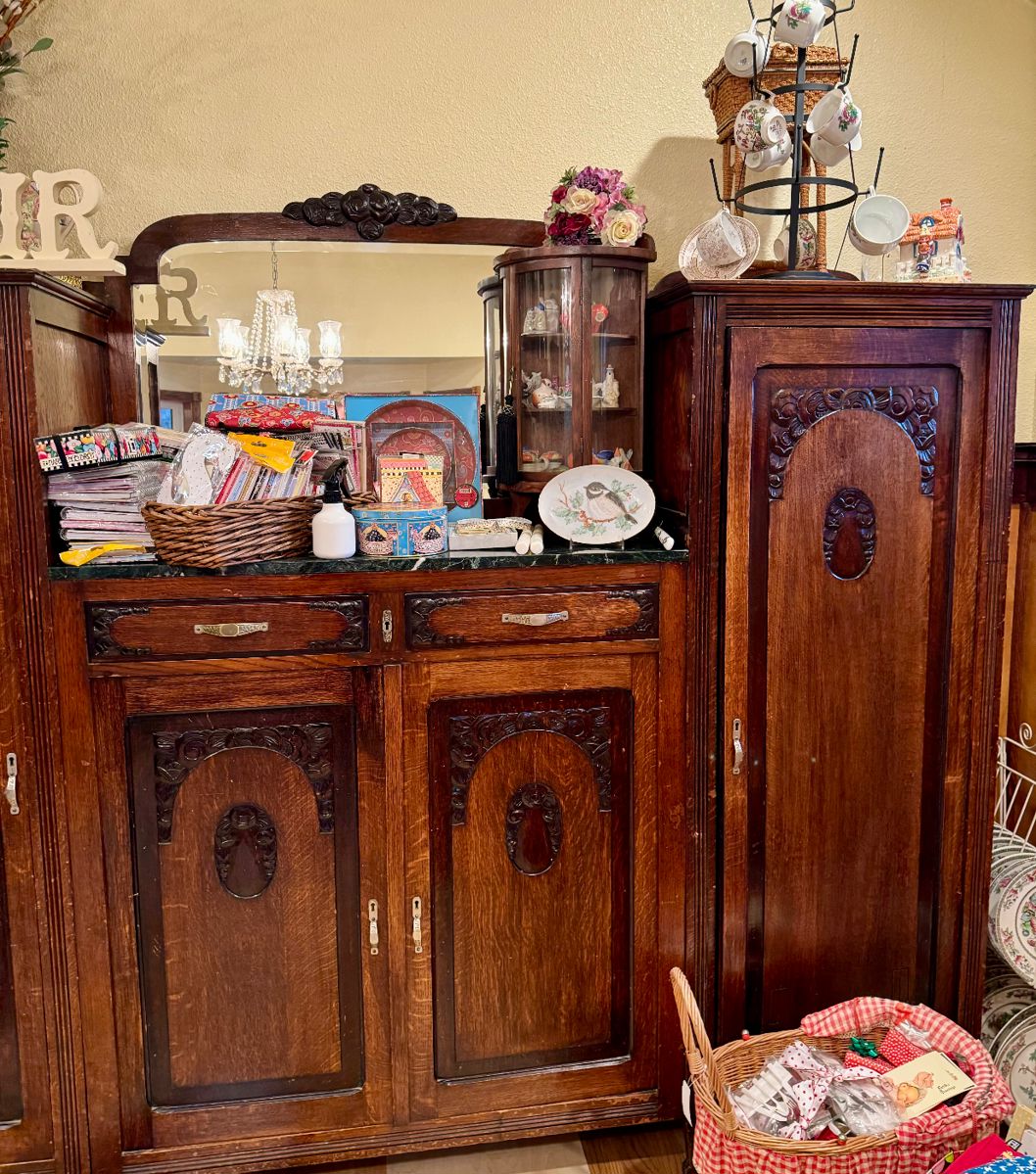
Most boutique sales operate on a queue or street-number system. Organizers distribute numbered entry slips an hour or two before the front doors open. The earlier you arrive to get your number, the higher the chance you can secure high-demand items like jewelry, fine porcelain, or mid-century statement pieces.
Bring the Right Kit
Seasoned shoppers never show up unprepared. Consider keeping a small tote equipped with:
- A soft tape measure to verify furniture dimensions on the spot.
- A small LED flashlight to inspect maker marks in dim basements or closets.
- Packing paper and reusable tote bags, as many sales run out of wrapping materials quickly.
- Cash and credit cards, though many modern liquidators also accept digital payments like Zelle or Venmo.
Understand Estate Sale Etiquette
Estate sales are hosted inside private residential properties. Visitors should respect marked private areas, refrain from blocking residential driveways, and handle fragile ceramics and glassware with care. When you pick up an item to purchase, consider it claimed—never hoard items in a holding area unless you have a firm intention to purchase them.
Hiring an Estate Sale Service: Essential Due Diligence
If you are exploring liquidation services for your own family property or an executor responsibility, finding the right team is critical. Here are the core factors to evaluate before signing a contract:
Transparency and Commission Structures
Most estate liquidators work on a straight commission model, taking a predetermined percentage of the total gross sales (typically between 30% and 50%, depending on the size and prep work needed). Inquire about any hidden charges, such as trash haul-away fees, specialized appraisal costs, or marketing expenses, to avoid unexpected deductions.
Insurance and Bonding
Ensure the liquidation firm carries general liability insurance. Accidental property damage or slips and falls can occur when hundreds of people traverse a residential home over a weekend. A professional outfit protects both their staff and the homeowner against liability.
Post-Sale Solutions
Very few estate sales achieve a 100% sell-through rate. Discuss what happens to unsold inventory. Quality liquidators will outline options such as consignment for remaining high-ticket items, donation pickups for tax write-offs, or a complete "broom-clean" sweepout service to prepare the home for real estate listing.
Final Thoughts
Whether you are seeking rare historic items to complement your decor or navigating the logistical hurdles of downsizing a loved one’s estate, organized liquidators like Bedknobs and Broomsticks bring structure, expertise, and dignity to the process. For buyers, these sales offer sustainable, story-rich shopping experiences; for sellers, they provide peace of mind during complex domestic transitions.