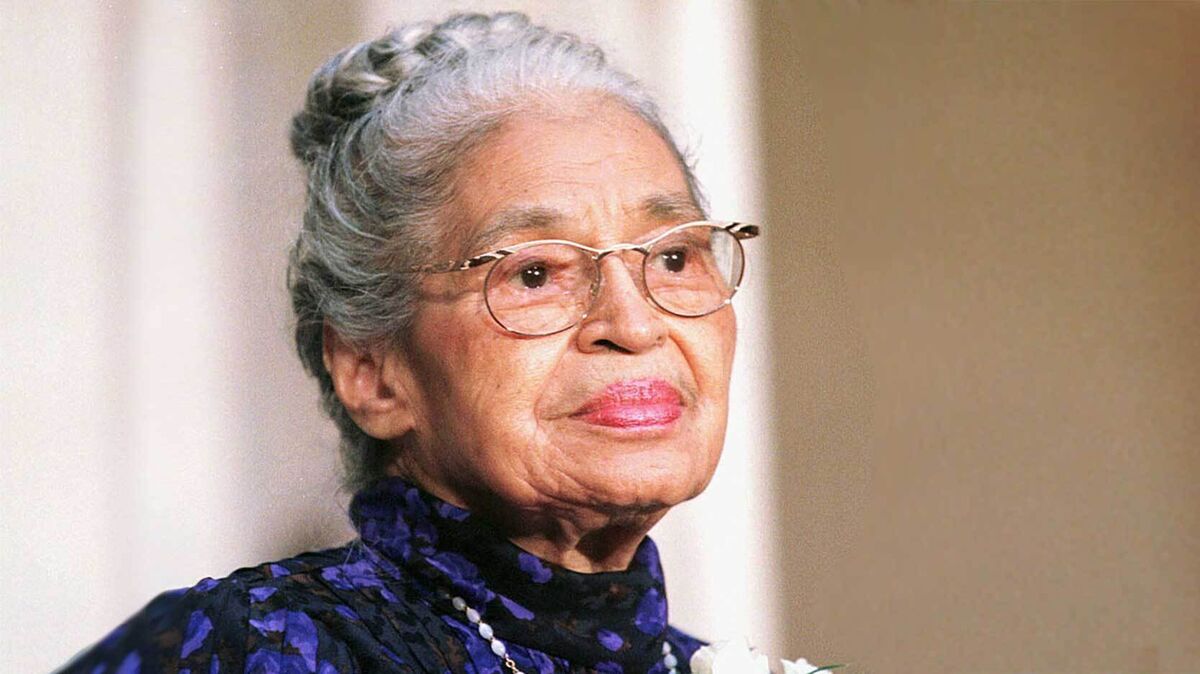
Before She Inspired a Generation: The Raw Phædra Parks Before blog sparks were known
Long before viral television soundbites, meme culture, and digital gossip cycles defined modern celebrity, Phaedra Parks built an empire rooted in Southern tenacity, legal intellect, and relentless ambition. To understand her lasting cultural footprint, one must look closely at Before She Inspired a Generation: The Raw Phædra Parks Before blog sparks were known—an era when her courtroom prowess, client advocacy, and civic leadership spoke far louder than any reality television storyline ever could.

Today, audiences know her as an iconic television personality, mortician, author, and breakout star of competitive reality formats like Peacock's The Traitors. Yet beneath the polished veneer of television fame lies decades of rigorous legal training and corporate grit that established her as a major power broker in Atlanta long before the cameras ever rolled.
The Formative Years: Athens Roots and Academic Rigor
Phaedra Parks was raised in Athens, Georgia, the daughter of educators and pastors. That dual upbringing instilled in her a deep reverence for community responsibility, academic excellence, and traditional Southern decorum. Rather than pursuing fleeting trends, Parks focused early on establishing an unimpeachable intellectual foundation.
She completed her undergraduate studies at Wesleyan College in Macon, Georgia, earning a Bachelor of Arts with honors. Wesleyan, the world's first chartered college for women, emphasized leadership, discipline, and independence—traits that would become her calling cards. From there, Parks advanced to the University of Georgia School of Law, where she earned her Juris Doctor. In an arena historically dominated by white male attorneys, she navigated Georgia's rigorous legal landscape with composure, sharp analytical skills, and an unapologetic sense of identity.
Building The Parks Group: The Golden Era of Atlanta Entertainment Law
In the late 1990s and early 2000s, Atlanta was rapidly transforming into the "Motown of the South." Record labels like LaFace Records and So So Def Recordings propelled the city to the epicenter of global hip-hop and R&B. Behind the chart-topping hits was a desperate need for sharp legal minds who understood contract law, intellectual property, and urban culture.
Recognizing the gap, Parks founded The Parks Group, P.C., a boutique law firm specializing in entertainment, intellectual property, and criminal defense. Rather than waiting for a legacy firm to offer her a partnership, she built her own practice from the ground up.
Her client roster quickly grew to include prominent figures across the music, sports, and entertainment industries. She handled contract negotiations, crisis management, and defense litigation for high-profile clients including Bobby Brown, Michael Vick, Too $hort, and various producers and executives. Colleagues and adversaries alike respected her ability to negotiate fiercely in closed-door sessions while maintaining a calm, Southern-mannered demeanor.
Before She Inspired a Generation: The Raw Phædra Parks Before blog sparks were known
In the pre-social-media era, reputation was built through courtroom victories and community service, not online engagement metrics or speculative headlines. During this defining period, Parks was celebrated in professional legal circles for her unyielding work ethic.
Video: The Price of Being Different

She served as the President of the Gate City Bar Association, the oldest African American bar association in Georgia. Under her leadership, the organization expanded mentoring initiatives for young minority lawyers, hosted educational seminars, and mobilized legal resources to protect voting rights and provide pro bono legal aid to underserved families across Fulton and DeKalb counties.
Before internet gossip platforms like Media Take Out, Bossip, or Twitter emerged to amplify every rumor into an online firestorm, Parks operated in the high-stakes reality of local Georgia politics and federal courtrooms. Her legal defenses required meticulous brief-writing, relentless cross-examinations, and constant navigation of systemic biases. She championed civil rights, served on the board of the American University Center, and regularly appeared as a legal analyst on television networks such as Court TV and Fox News.
Key Milestones of Phaedra Parks' Pre-Television Career
The credibility Parks carries today is anchored by tangible professional achievements that preceded her 2010 debut on The Real Housewives of Atlanta:
- Leadership in the Bar: Served as President of the Gate City Bar Association and active member of the American Bar Association and State Bar of Georgia.
- Entertainment Powerhouse: Represented top-tier athletes, platinum-selling recording artists, and creative executives during Atlanta's musical renaissance.
- Civic and Philanthropic Engagement: Founded youth mentoring initiatives and provided extensive pro bono legal services across Georgia.
- National Legal Commentary: Provided expert analysis on complex criminal trials for major national broadcast networks.
- Political Advisory Roles: Actively advised civic leaders and contributed to local political campaigns focused on judicial reform.
Faith, Tradition, and Female Entrepreneurship
One of the most misunderstood facets of Parks' career trajectory is her transition into mortuary science, which viewers later saw documented on television. Far from a theatrical whim, her interest in funeral service was grounded in long-standing Southern traditions and pastoral community care.
Growing up around the church, Parks viewed end-of-life care as an extension of community ministry. In historically Black Southern communities, the funeral director held an esteemed, trusted position alongside pastors and physicians. Parks studied mortuary science with the same academic discipline she applied to jurisprudence, ultimately becoming a licensed funeral director and mortician. It reflected an unconventional, fearless approach to entrepreneurship: identifying an essential service and mastering it on her own terms.
The Enduring Legacy of a Self-Made Powerhouse
Pop culture often compresses women into single, two-dimensional archetypes: the reality star, the Southern belle, or the combative lawyer. Phaedra Parks consistently defied those narrow classifications. When television producers sought her out in 2010, she was not an aspiring starlet looking for validation; she was an established attorney with an enviable book of business and established civic influence.
That foundational strength explains her remarkable longevity in an industry known for discarding talent. When public controversies arose or television narratives shifted, Parks never lost her core identity because it was never constructed on television in the first place.
Understanding her journey before digital commentary reshaped public perception provides invaluable perspective. It serves as a reminder that long-term resilience requires real-world substance, specialized skills, and an authentic commitment to one's craft. Long before the blogs took notice, Phaedra Parks proved that strategic intellect and cultural pride could open doors once thought permanently closed.