Behind Every Ritual: What Catholic Secrets Reveal
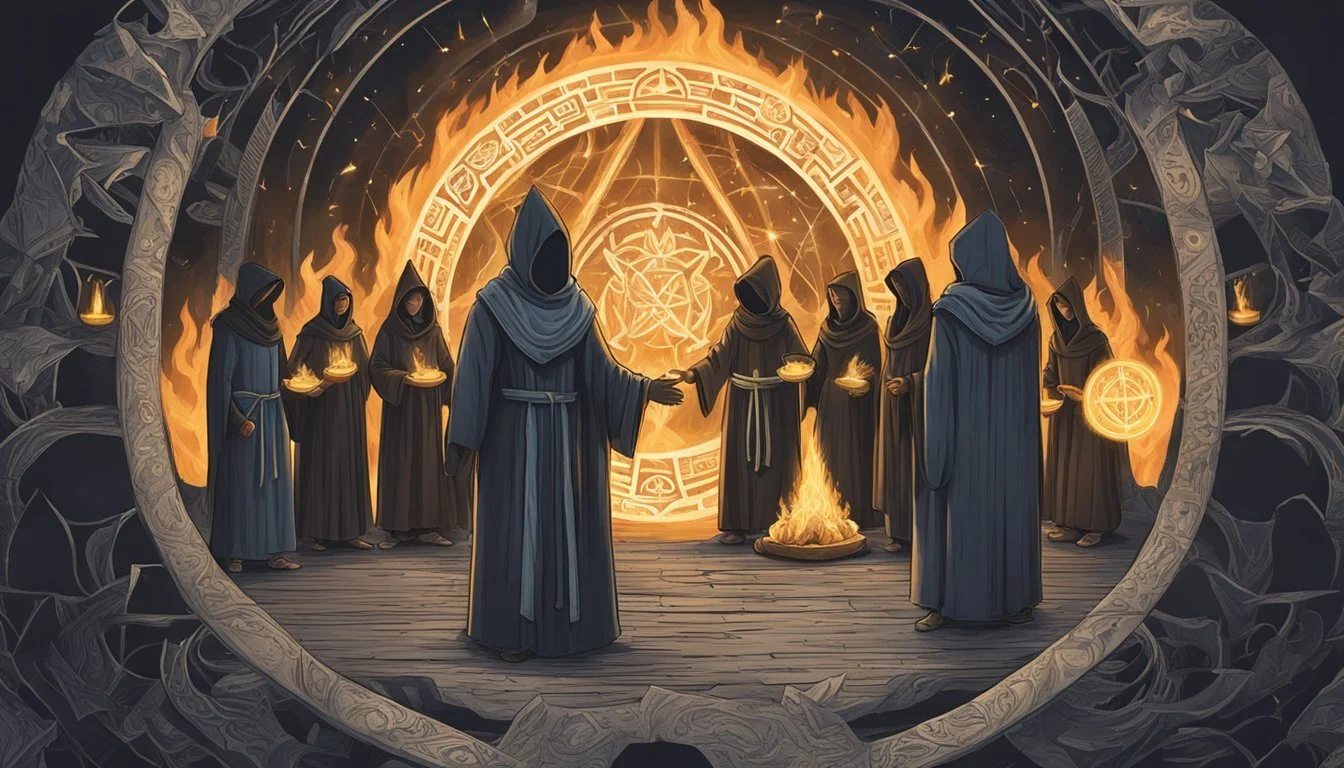
To an outside observer stepping beneath the soaring arches of a cathedral, Catholic worship can easily feel shrouded in mystery. Cloistered altars, rhythmic genuflections, fragrant clouds of burning incense, and intricate hand gestures often fuel curious speculation. Popular culture frequently frames these rites as arcane codes or hidden doctrines. Yet, when one looks closely at the meaning behind every ritual: what Catholic’s hidden secrets really reveal about faith! is not an occult conspiracy or an empty performance, but a deeply intentional, physical language designed to orient human beings toward the transcendent.
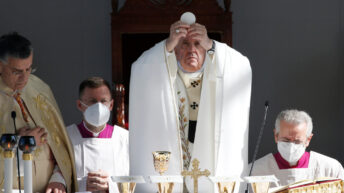
Far from seeking to conceal truth, Catholic liturgy was developed across two millennia to reveal it. Every gesture, garment, and vessel possesses a specific lineage rooted in Scripture, ancient history, and human psychology. To understand these ceremonies is to understand a worldview where heaven and earth continuously intersect.
The Sacramental Principle: God in the Material World
To grasp why Catholicism relies so heavily on ceremonial forms, one must first understand what theologians call the "sacramental principle." In Christian theology, the central historical event is the Incarnation—the belief that God took on human flesh in Jesus Christ. Because God entered the physical realm, the physical world is no longer seen as merely profane matter; it becomes a conduit for divine grace.
Humans are not disembodied spirits. We perceive, learn, and love through our five senses. Consequently, Catholic worship refuses to reduce faith to purely intellectual assent or private emotional states. Instead, it engages sight through stained glass and golden chalices, smell through smoldering resins, hearing through sacred polyphony and plainchant, touch through anointing oils and ash, and taste through the Eucharist. The so-called "secrets" of Catholic ritual are simply physical signs pointing toward invisible spiritual realities.
Behind Every Ritual: What Catholic’s Hidden Secrets Really Reveal About Faith!
When examined in detail, the actions performed at the altar cease to look like arbitrary superstition. Each ritual answers a fundamental human longing and communicates a core doctrine of Christian spirituality.
1. The Sign of the Cross
Perhaps the most frequent Catholic gesture—touching the forehead, chest, left shoulder, and right shoulder—dates back to the earliest centuries of Christianity. Mentioned by Church Fathers such as Tertullian in the second century, this mark was originally traced on the forehead with the thumb as a marker of identity during times of Roman persecution. Today, tracing the cross over the body represents a total consecration of the human person: mind (forehead), heart (chest), and physical strength (shoulders) to the Triune God.
2. The Use of Fragrant Incense
The sweet, pungent smoke billowing from a swinging thurible is one of the most striking liturgical elements. While popular imagination associates it with esoteric ceremonies, its origins are biblical. In Psalm 141, the psalmist prays: "Let my prayer rise before you like incense." The physical smoke serves as an experiential reminder that prayer is not lost into the void; it ascends directly to God. Furthermore, historically, incense was used to honor royalty; censing the altar, the Gospel book, and the congregation affirms the inherent dignity of the gathered people as temples of the Holy Spirit.
3. Genuflection and Prostration
Video: Dark Secrets of Vatican City - Forbidden History

Kneeling on one knee before entering a pew is an ancient gesture of fealty. In classical antiquity and the medieval era, bending the knee was an act of allegiance reserved for an emperor or sovereign. When Catholics genuflect toward the Tabernacle, they are making a radical counter-cultural statement: no earthly empire, ideology, or leader holds absolute authority over their conscience. It is a physical declaration that supreme allegiance belongs exclusively to Christ, whom they believe is truly present in the reserved Eucharist.
4. Sacred Vestments and Changing Colors
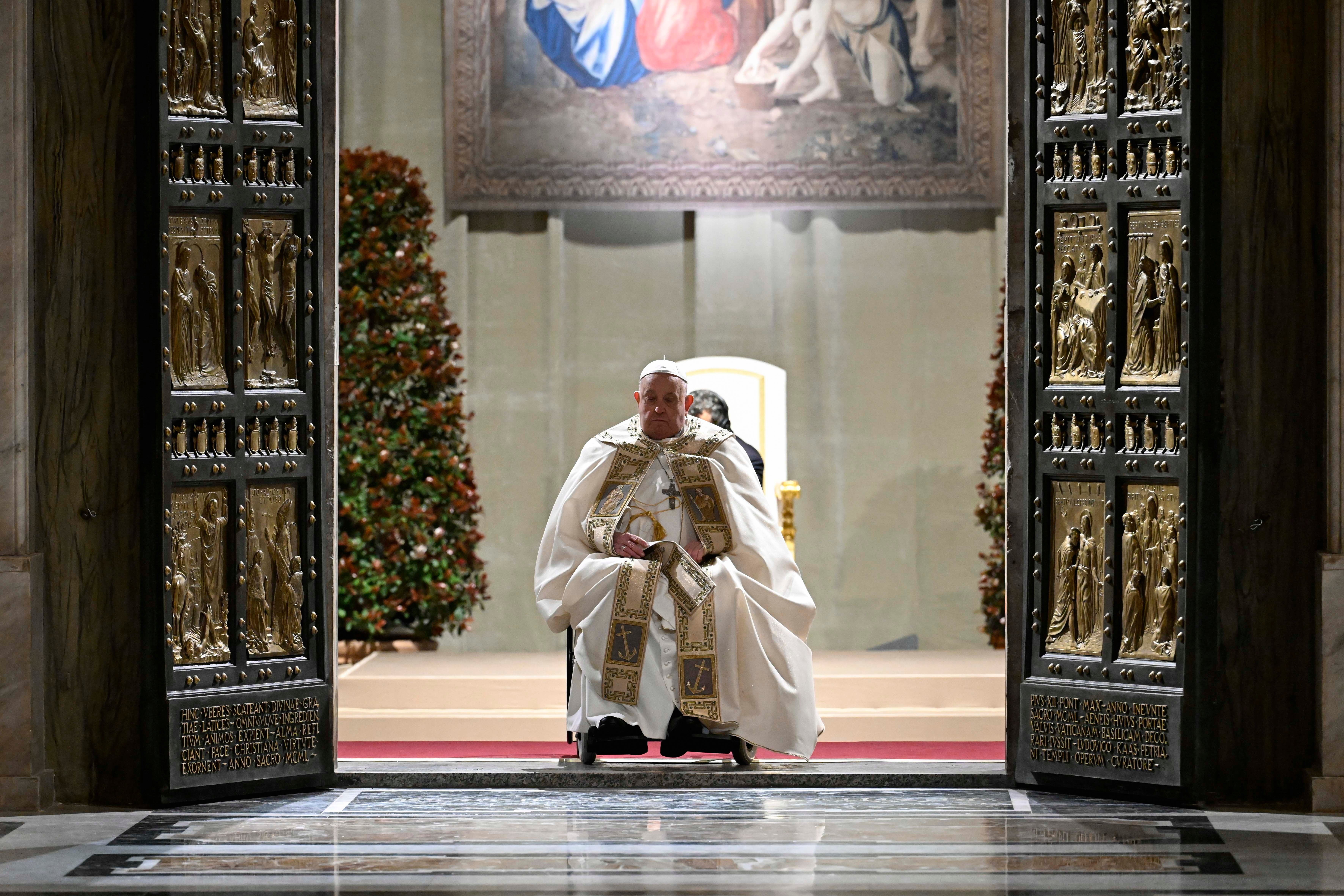
A priest does not conduct Mass in ordinary street clothes. Instead, he layers garments whose silhouettes originate in Greco-Roman civil attire: the white alb representing baptismal purity, the cincture symbolizing self-control, and the chasuble representing the yoke of Christ's charity. These vestments deliberately obscure the personal identity of the individual minister. In Catholic theology, the priest acts in persona Christi (in the person of Christ); the vestments ensure that the liturgy reflects the universal Church rather than the private personality or charisma of the celebrant.
The Hidden Meaning in Everyday Catholic Objects
Beyond bodily gestures, Catholic churches are furnished with specific architectural and devotional elements that carry rich symbolic weight:
- The Sanctuary Lamp: The solitary red flame burning near the altar is not decorative. Known as the sanctuary lamp, it indicates the physical reservation of consecrated Eucharistic hosts in the tabernacle, serving as a silent beacon of divine presence.
- Holy Water Fonts: Stationed at the entrance of every Catholic chapel, holy water is used to make the Sign of the Cross upon entering. This acts as a conscious threshold ritual, reminding believers of their original baptism and washing away the mental noise of secular life before entering sacred space.
- Altar Relics: Built into the stone of Catholic altars is often a tiny bone fragment or garment piece of a canonized saint. This tradition emerged during the Roman persecutions when early Christians gathered in catacombs to celebrate communion atop the tombs of martyrs, affirming that faith is historical, communal, and triumphs over death.
- The Stripping of the Altar: On Holy Thursday night leading into Good Friday, the altar is completely cleared of cloths, candles, and vessels. This stark ritual mirrors the abandonment of Christ in Gethsemane and his stripping prior to the crucifixion.
Why Liturgical Ritual Matters in a Disenchanted World
Modern society often prizes spontaneity and efficiency above all else. In a culture dominated by digital screens, shifting trends, and rapid communication, human life can easily become atomized and disembodied. We spend hours interacting with flat surfaces, detached from tactile community life and long-term historical roots.
In this context, ancient Catholic rituals serve as a vital psychological and spiritual anchor. Liturgy operates on circular, rhythmic time rather than linear, industrial time. The recurring seasons of Advent, Christmas, Lent, Easter, and Ordinary Time invite the human psyche to process joy, grief, penance, and hope in a balanced, communal framework.
Because the liturgy repeats across centuries, participants step into a living tradition larger than themselves. A Catholic kneeling at Mass recites words composed in fourth-century Antioch or sixth-century Rome, standing shoulder to shoulder with ancestors across geographic and temporal divides.
From Mystery to Encounter
When the layers of misconception are peeled away, Catholic ritual reveals itself not as an obstacle to faith, but as its vehicle. Ritual provides a disciplined container within which the mystery of the divine can be approached without being reduced to mere human comfort or intellectual abstraction.
The true "secret" behind every Catholic rite is that faith is meant to be lived through the body. Through silent bows, spoken responses, shared bread, and rising smoke, the Church invites the believer to step out of the ephemeral noise of everyday life and participate in an ancient, sensory conversation with eternity.