Belle Delphine's Leak: Unseen Drama & U.S. Reactions
When internet personality Mary-Belle Kirschner, known worldwide as Belle Delphine, promised an unfiltered debut on subscription-based adult media platforms in late 2020, the internet braced for impact. Yet few could have anticipated the sheer scale of the digital chaos that ensued when the paywalled material surfaced across unvetted forums and mainstream social networks. As digital archives and forum discussions resurface, the unseen drama behind Belle Delphine’s leak—explosive U.S. reactions follow—serves as a case study in modern creator economics, online piracy, and weaponized virality.

The Calculated Genesis of a Viral Spectacle
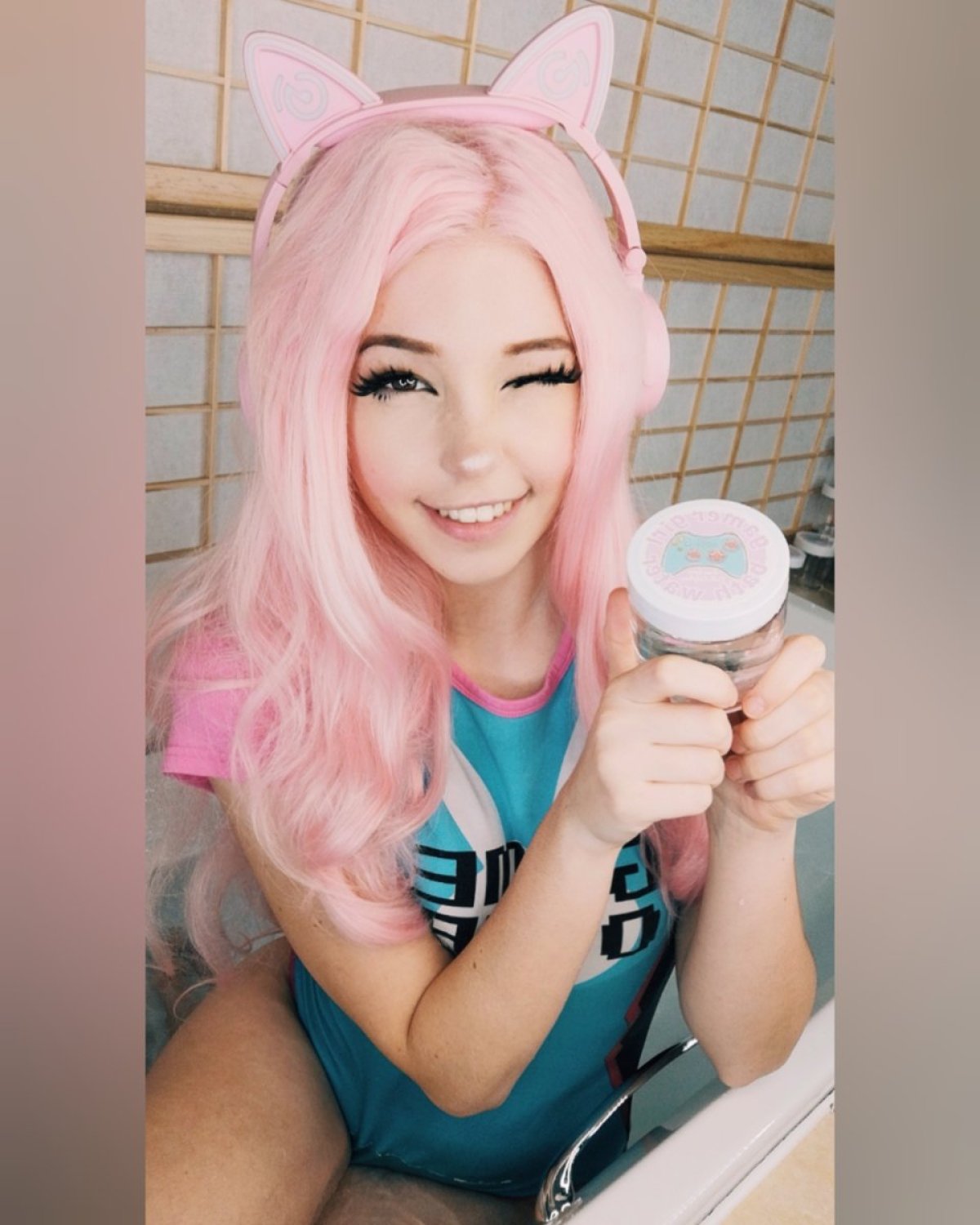
Before analyzing the fallout of the leak, it is essential to understand the architectural precision behind Belle Delphine's brand. Long before her December 2020 debut, Delphine had mastered the mechanics of ironic provocation. From her notorious “GamerGirl Bath Water” campaign to satirical music videos and deliberate social media bans, she understood how to convert public bewilderment into cold, hard attention.
For over a year, she weaponized the classic marketing trope of anticipation. By dropping subtle hints, countdown timers, and tongue-in-cheek trailers, she created an artificial scarcity around her brand. By the time her project went live on Christmas Day 2020, subscription platforms experienced unprecedented traffic spikes, causing payment gateways to buckle under global consumer demand.
The Unseen Drama Behind Belle Delphine’s Leak—Explosive U.S. Reactions Follow
While the front-facing release appeared to be a triumph of independent monetization, the backstage reality told a far more chaotic story. Within seconds of the video going live behind paywalls, automated screen-recording bots ripped the files and dispersed them onto illicit file-sharing hubs, decentralized torrent trackers, and public social platforms including Twitter, Reddit, and Discord.
What followed was an intense, high-stakes battle between Delphine’s management team, digital copyright agents, and rogue uploaders:
- Server Overload and Platform Crashes: The immediate influx of curious users not only strained the host platforms, but secondary hosting sites collapsed under the weight of unauthorized downloads.
- Rapid DMCA Sweeps: Legal monitors initiated aggressive digital rights management (DRM) takedowns, issuing thousands of automated DMCA notices within the first 48 hours to scrub re-uploads from major search engines.
- Social Media Moderation Meltdowns: Algorithms on mainstream platforms struggled to filter out explicit frames and truncated clips, leading to trending tags that inadvertently bypassed safe-search protocols.
Across the United States, the reaction was immediate and intensely polarized. Within hours, Delphine’s name dominated Twitter trends nationwide. Commentary spanned from conservative commentators expressing dismay over digital culture’s moral direction to tech journalists dissecting the financial infrastructure of independent content creation. Podcasts, Twitch streamers, and prominent YouTube commentators hosted emergency reaction streams, debating whether the leak was a catastrophic breach of digital copyright or a masterclass in guerrilla marketing.
Piracy vs. Promotion: The Creator Economy Dilemma
One of the most profound debates sparked by the incident centers on the economics of online piracy for digital-first creators. In conventional entertainment, unauthorized leaks routinely destroy box office returns or album sales. In the decentralized creator economy, however, the financial consequences are far more nuanced.

Did the Leaks Damage Earnings or Fuel the Machine?
Despite rampant file-sharing across rogue sites, Delphine reportedly earned upwards of seven figures in the weeks surrounding the drop. This apparent paradox highlighted a structural shift in consumer behavior:
- The “Fear of Missing Out” (FOMO): The sheer omnipresence of the leaks functioned as aggressive top-of-funnel advertising. Users who encountered partial or low-quality clips on social media were channeled into purchasing authentic, high-definition access directly from the source.
- Tipping and Direct Support: A notable segment of digital consumers operates on personal loyalty. Fans actively paid for subscriptions to signal support for the creator, openly rejecting pirated mirrors as a show of digital solidarity.
- Secondary Monetization: The surrounding drama drove exponential traffic back to her secondary revenue channels, including YouTube, merchandise lines, and Spotify streams.
Legal Ramifications and Digital Protection for Independent Creators
Beyond the cultural spectacle, the unseen drama exposed serious structural vulnerabilities faced by digital creators. Unlike legacy media conglomerates equipped with legal departments capable of prosecuting piracy networks across international borders, individual creators—even those generating millions—often find themselves helpless against coordinated scraper networks.
The U.S. copyright framework, primarily anchored in the Digital Millennium Copyright Act of 1998, was never designed to address decentralized, instantaneous content theft on social media. For creators operating in mature monetization spaces, the process of removing leaked assets is often a perpetual game of digital whack-a-mole, where removed files reappear on mirror domains within minutes.
Delphine’s experience forced legal experts and platform architects to confront uncomfortable questions: At what point do platforms bear systemic responsibility for hosting ripped content? And how can independent entrepreneurs effectively protect intellectual property without surrendering enormous cuts of their revenue to third-party DRM enforcement firms?
Cultural Aftershocks and the Modern Internet Landscape
In the aftermath of the viral storm, Belle Delphine once again subverted expectations by retreating from the public eye. Having proven her point and extracted maximum commercial value from internet attention mechanisms, she largely paused frequent public uploads, reappearing only periodically to remind the internet of her influence.
The incident remains an enduring benchmark in internet culture. It demonstrated the fine line between exploitation and empowerment in modern digital media, showing how an individual could anticipate public reaction, absorb the chaos of unauthorized dissemination, and convert digital scrutiny into historic financial autonomy. While the drama behind the release was intense, the cultural shockwaves continue to shape discussions around online privacy, digital ownership, and creator autonomy today.