Belmont Horse Track Results: How to Find and Read Them
Understanding Belmont Horse Track Results

Whether you are a seasoned handicapper or a casual fan tuning in for the Triple Crown season, tracking the outcomes of races at one of America's premier venues is essential. Analyzing belmont horse track results goes far beyond simply knowing which horse crossed the finish line first. It involves examining fractional times, margins, track conditions, and betting payouts to make informed decisions for future race cards.
Belmont Park, traditionally located in Elmont, New York, has a rich history in American horse racing. As the historic grounds undergo massive redevelopment to modernize facilities, racing has temporarily shifted to alternative NYRA tracks like Aqueduct and Saratoga. However, the appetite for analyzing historical and active New York racing data remains as high as ever. Here is a comprehensive guide to accessing, reading, and utilizing these critical racing outcomes.
Where to Find Official Race Outcomes
Finding accurate and timely race data is crucial for both casual observers and serious bettors. Fortunately, several official and reputable sources publish comprehensive race summaries shortly after the horses cross the wire.
Official Track Websites and NYRA
The New York Racing Association (NYRA) is the primary source for all official data. The official NYRA website provides comprehensive race charts, video replays, and complete payout tables minutes after a race becomes official. If you want verified data straight from the stewards, this is your starting point.
Major Racing Publications and Databases
Industry-standard platforms aggregate data across all major tracks, offering deep analytical tools alongside basic charts. Key outlets include:
- Equibase: The official database for North American racing, offering charts, past performances, and comprehensive statistical queries.
- Daily Racing Form (DRF): A staple for handicappers, providing expert commentary, race summaries, and detailed analysis of how each race unfolded.
- BloodHorse: Excellent for broader industry news paired with comprehensive stakes race charts and summaries.
How to Read a Race Chart
If you look at raw charts for the first time, the array of numbers and abbreviations can look like a foreign language. However, once you learn the basic anatomy of a chart, it becomes a goldmine of information.
Key Components of a Chart
A standard chart provided in official summaries includes several distinct sections designed to tell the complete story of the race:
- Race Conditions: Details the surface (dirt or turf), track condition (fast, good, muddy, firm, yielding), distance, and purse size.
- Fractional Times: Split times recorded at specific points in the race (e.g., quarter-mile, half-mile) that help determine the pace.
- Horse Details: Program number, post position, horse name, jockey, trainer, owner, and morning line odds.
- Point of Call Tracking: Shows the position of each horse at various stages of the race (e.g., start, quarter-pole, stretch) along with lengths behind the leader.
- Finish Margins: The official length by which each horse won or was beaten.
- Payoffs: Standard pari-mutuel payouts for Win, Place, and Show, as well as exotic wagers like Exactas, Trifectas, and Superfectas.
Interpreting Track Conditions and Fractions
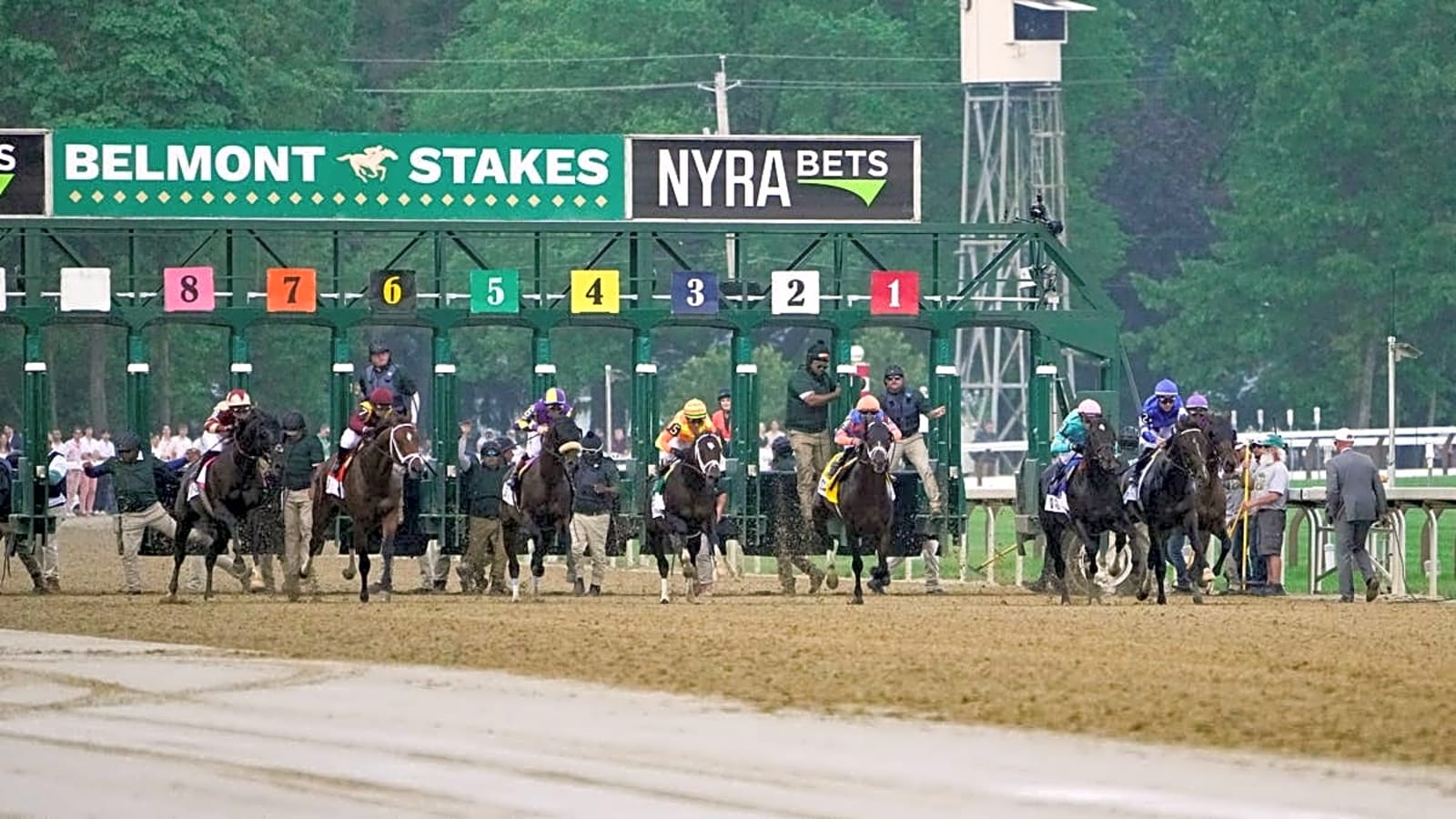
Raw numbers only tell half the story; context is everything in horse racing. When evaluating outcomes, always look at the track variant and fractional times to understand how the race was actually run.
Pace Scenarios
Look at the opening fractions. If a race features blistering early fractions, front-running horses will likely tire in the stretch, allowing closers coming from off the pace to sweep past. Conversely, a slow early pace often favors horses that secure an early lead and dictate the tempo.
Track Biases
Pay close attention to whether the surface favored speed or closing kicks, inside paths or wide paths. Notice if winners consistently broke from rail posts or if the outside paths offered better footing. Recognizing these patterns from recent charts can give you an edge on upcoming race days.
Using Past Performances for Future Betting
The ultimate goal of studying past outcomes is to improve future wagering strategies. Every time you review results, you are building a mental or physical database of runner capabilities.
Spotting Underperformers and Overachievers
Sometimes, a horse finishes fourth or fifth, but a deeper look at the chart reveals trouble at the start, being checked hard on the turn, or racing wide throughout. These "hard-luck" horses often offer fantastic value in their next outing because casual bettors only look at the final finishing position.
Tracking Trainer and Jockey Form
Winning outputs highlight which barns and riders are currently firing on all cylinders. If a specific trainer is dominating the local circuit, their upcoming entries demand a closer look, regardless of morning line odds.
Conclusion
Mastering the art of reading race outcomes is a rewarding pursuit that deepens your appreciation of the sport. By utilizing trusted official resources like Equibase and NYRA, learning to dissect fractional times, and paying attention to subtle chart notes, you can turn raw data into actionable insights for your next day at the track.