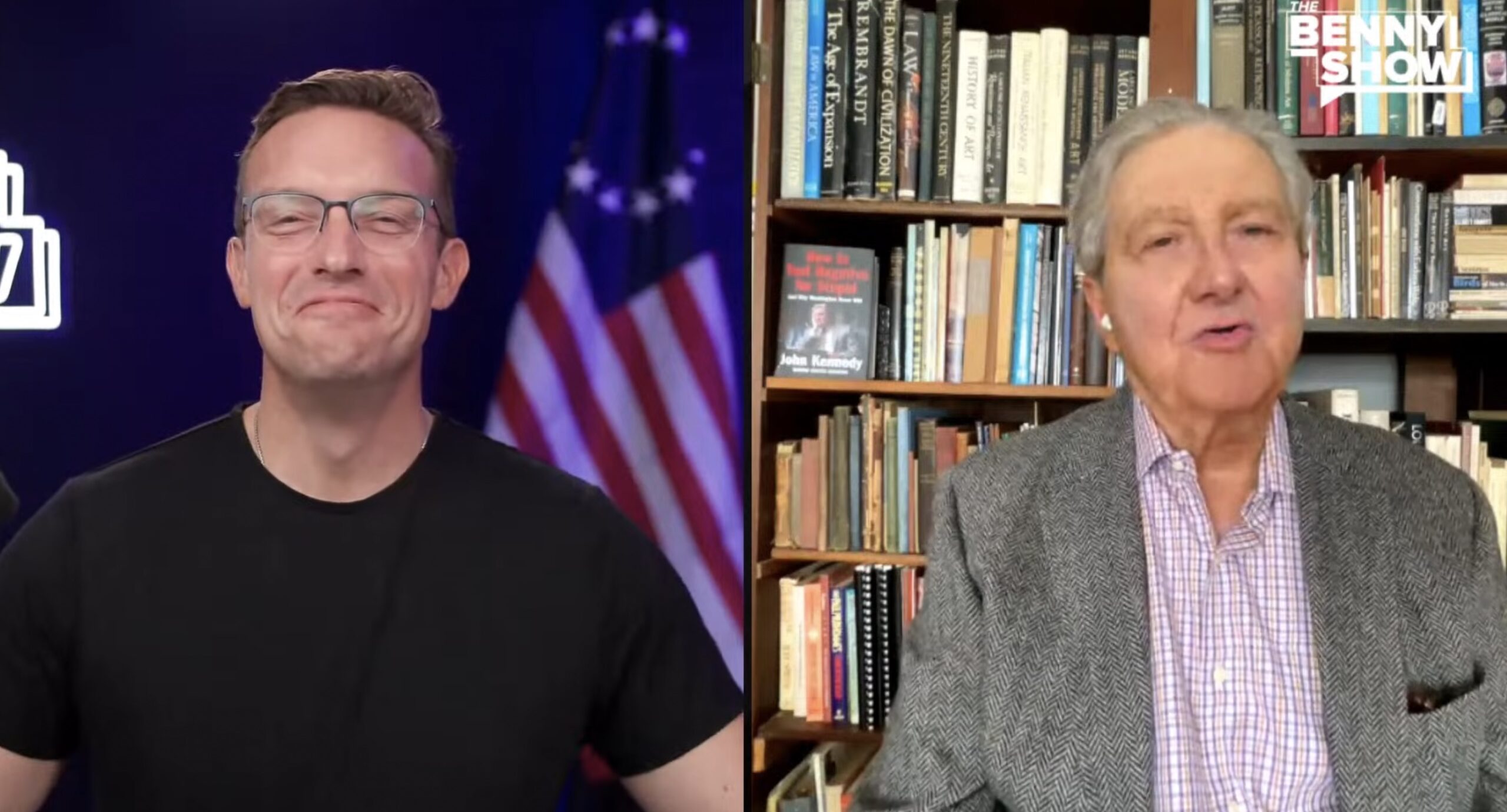
Benny Johnson’s Wealth: The Billion-Dollar Reality
In the modern era of digital media, independent political commentators often build massive audiences that rival traditional cable networks. Among the most prominent figures in this space is Benny Johnson, known for his viral videos, commentary, and high-engagement social media presence. Naturally, his massive reach leads to widespread public curiosity about his financial standing. Understanding how Benny Johnson’s wealth drops the gear: the billion-dollar reality revealed! requires looking past internet rumors and examining how modern independent media monetization actually works.
The Rise of Independent Digital Media
To understand modern commentator wealth, one must first look at the structural shift in media consumption. Traditional television networks once held a monopoly on political broadcasting and advertising dollars. Today, platforms like YouTube, X (formerly Twitter), Rumble, and Meta allow individual creators to bypass legacy gatekeepers.
Benny Johnson capitalized on this paradigm shift early. By building a massive, highly dedicated subscriber base, he positioned himself as an independent media brand rather than a traditional employee. This distinction is crucial because independent creators retain a much larger share of their revenue compared to legacy media personalities.
Decoding Benny Johnson’s Wealth and Revenue Streams
Internet rumors frequently exaggerate the net worth of prominent digital creators, occasionally throwing around figures in the billions. However, a realistic financial breakdown reveals a mix of highly lucrative, highly scalable revenue streams rather than a secretive billionaire status.
1. Platform Ad Revenue and Monetization Programs
Platforms pay creators based on viewership, engagement, and ad impressions. With millions of views monthly across YouTube and other video-sharing sites, ad revenue provides a steady, predictable baseline income. Additionally, platforms that incentivize direct creator payouts contribute significantly to monthly cash flow.
2. Sponsorships and Brand Partnerships
For political and cultural commentators, direct sponsorships often outweigh platform ad revenue. Companies targeting news-conscious demographics—ranging from VPN providers and survival gear to financial services and lifestyle brands—pay premium rates for mid-roll advertisements and dedicated mentions.

3. Live Events, Merchandise, and Crowdfunding
Merchandise sales, ticketed live shows, and direct fan-support models create additional layers of income. Highly engaged audiences are often willing to support their favorite creators financially through memberships or branded gear, providing a resilient cushion against shifts in platform monetization policies.
The Myth vs. Reality of Billion-Dollar Valuations
While headlines love to sensationalize commentator wealth using phrases implying massive, nine-figure fortunes, the reality is more nuanced. Very few independent commentators possess a net worth in the billions. That tier of wealth is typically reserved for founders of massive tech platforms, major studio executives, or multinational media conglomerates.
However, successful independent creators can build high-value media companies. If a creator owns their production assets, distribution channels, and intellectual property, the enterprise value of their brand can certainly stretch into the tens of millions. The confusion often arises when people conflate the total revenue flowing through a digital media operation with an individual's personal net worth.
How Modern Media Personalities Build Long-Term Value
Financial success in digital media is not just about daily cash flow; it is about building sustainable assets that appreciate over time. Successful commentators typically focus on several key strategies:
- Audience Ownership: Moving followers from rented platforms (like social media algorithms) to owned platforms (like email newsletters and direct websites).
- Diversification: Spreading operations across multiple video networks, audio podcasts, and written articles to mitigate the risk of platform deplatforming or algorithm changes.
- Infrastructure Investment: Hiring dedicated editing, production, and legal teams to scale output and maintain professional media standards.
Conclusion
The financial reality of internet commentators like Benny Johnson highlights the lucrative nature of the modern creator economy. While claims of a billion-dollar empire are largely internet hyperbole, his success demonstrates how independent media has transformed traditional broadcasting. By leveraging direct-to-consumer platforms, strategic sponsorships, and dedicated fan bases, digital creators can build highly profitable enterprises in the 21st century.