Bernie Sanders’ Hidden Fortunes 2024: The Untold Story
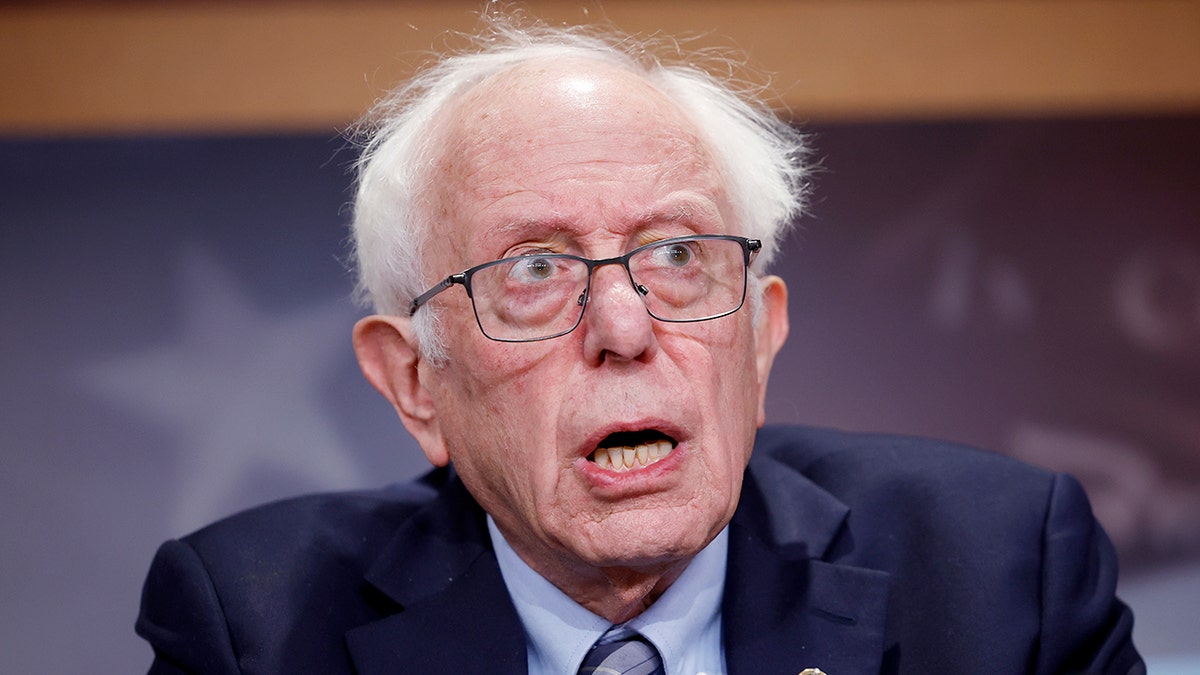
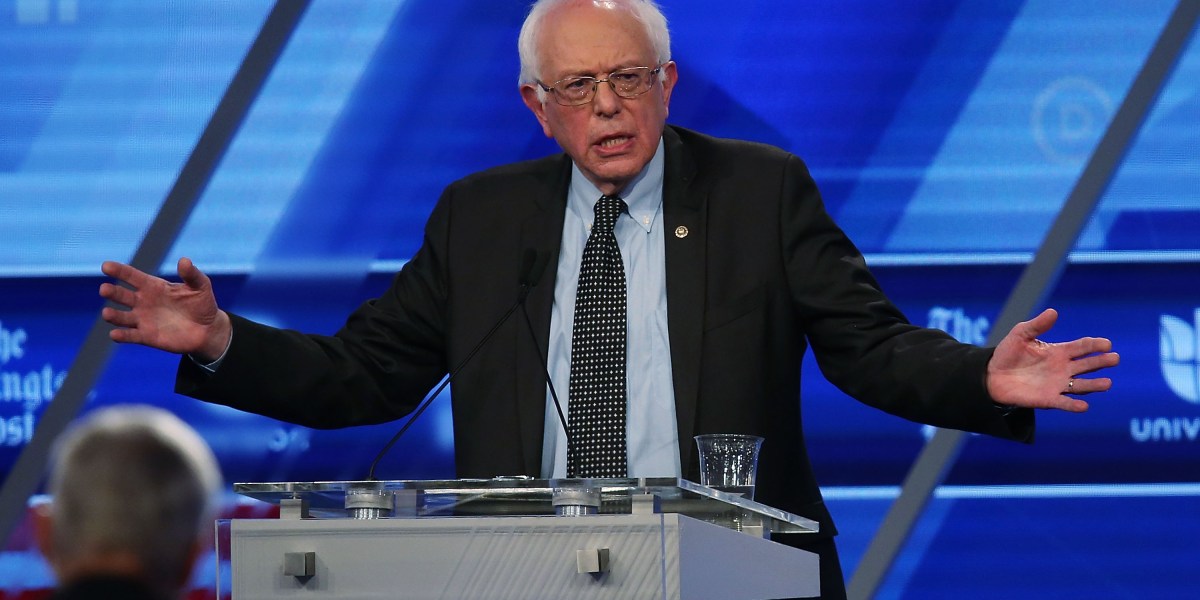
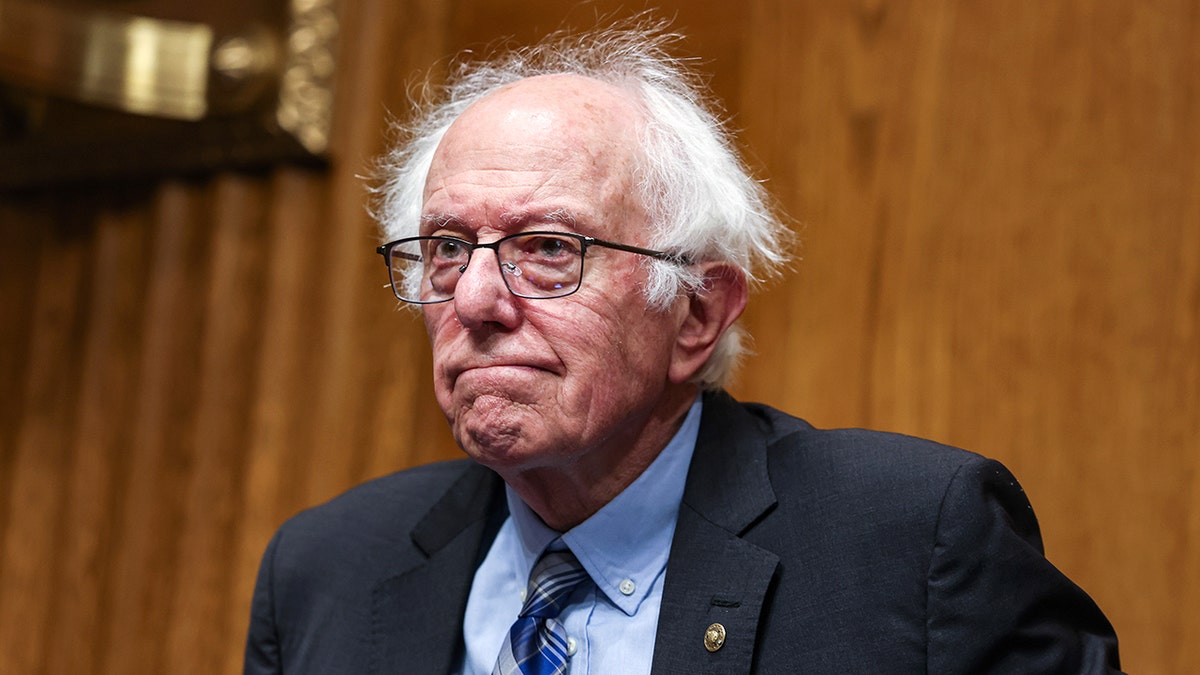
Sensational headlines frequently circulate online claiming to uncover Bernie Sanders’ Hidden Fortunes 2024—The Untold Story of His Net Worth Triumph!, painting the Vermont independent senator as a secretive financial titan. For decades, Sanders built his political brand as an unyielding critic of Wall Street and the ultra-wealthy, championing working-class Americans while declaring himself a democratic socialist. However, viral memes and political commentators often point to his millionaire status as evidence of hypocrisy or undisclosed riches.

Separating viral clickbait from verifiable financial reality requires a look at official federal filings. Sanders is indeed a millionaire, but his path to wealth is far more transparent—and mundane—than internet rumors suggest. Here is a factual, comprehensive examination of Sanders’ actual net worth, his verified income streams, his property holdings, and what the financial disclosures for 2024 reveal.
From Modest Beginnings to Best-Selling Author
For the majority of his public service career, Bernie Sanders was one of the least wealthy members of the United States Senate. When he entered the House of Representatives in 1991 after serving as mayor of Burlington, Vermont, his personal assets were minimal. Throughout the 1990s and 2000s, his financial disclosure forms regularly listed modest credit card debt, a small savings account, and his standard congressional salary.
The financial turning point arrived not through hedge funds or corporate lobbying, but through publishing. Following his breakout 2016 presidential primary campaign, Sanders published his memoir and political manifesto, Our Revolution: A Future to Believe In. The book became an international bestseller, generating significant upfront advances and royalty checks.
- 2016–2017: Book advances and royalties totaled more than $1.7 million across two years.
- 2018: Sanders earned approximately $390,000 from book royalties following the release of Where We Go from Here.
- 2023–2024: Continued royalties from his 2023 release, It's OK to Be Angry About Capitalism, added steady commercial revenue to his baseline federal income.
Sanders acknowledged this shift candidly during his 2020 presidential run, stating: "I wrote a best-selling book. If you write a best-selling book, you can be a millionaire, too."
Bernie Sanders’ Hidden Fortunes 2024—The Untold Story of His Net Worth Triumph!
When financial analysts calculate Sanders’ total wealth today, the numbers land nowhere near the tens of millions suggested by clickbait rumors. In 2024, independent estimates from financial watchdog groups and public asset reviews place Bernie Sanders and his wife, Jane O'Meara Sanders, at an estimated net worth of $2.5 million to $3 million.
Primary Sources of Wealth
Sanders’ portfolio is remarkably conservative compared to his peers in Congress, where dozens of lawmakers hold complex portfolios of individual corporate equities, venture investments, and private commercial real estate. His financial assets fall into three primary categories:
- Congressional Salary: As a sitting U.S. Senator, Sanders earns the standard federal congressional salary of $174,000 annually. He has received this salary since entering the Senate in 2007.
- Retirement and Pensions: Sanders qualifies for federal retirement benefits through the Federal Employees Retirement System (FERS) and the Thrift Savings Plan (TSP). He also receives a municipal pension from his tenure as mayor of Burlington in the 1980s.
- Mutual Funds and Cash: Filings reveal that liquid assets are kept largely in conservative retail mutual funds, money market funds, and standard bank accounts, rather than direct investments in individual publicly traded corporations.
The "Three Houses" Controversy Examined
A central pillar of the narrative surrounding Sanders’ supposed fortune involves his real estate portfolio. Political critics often highlight that Sanders owns three homes, presenting this as evidence of an opulent lifestyle. A factual inspection of public land records shows the reality behind each property.
1. The Burlington, Vermont Colonial (Primary Residence)
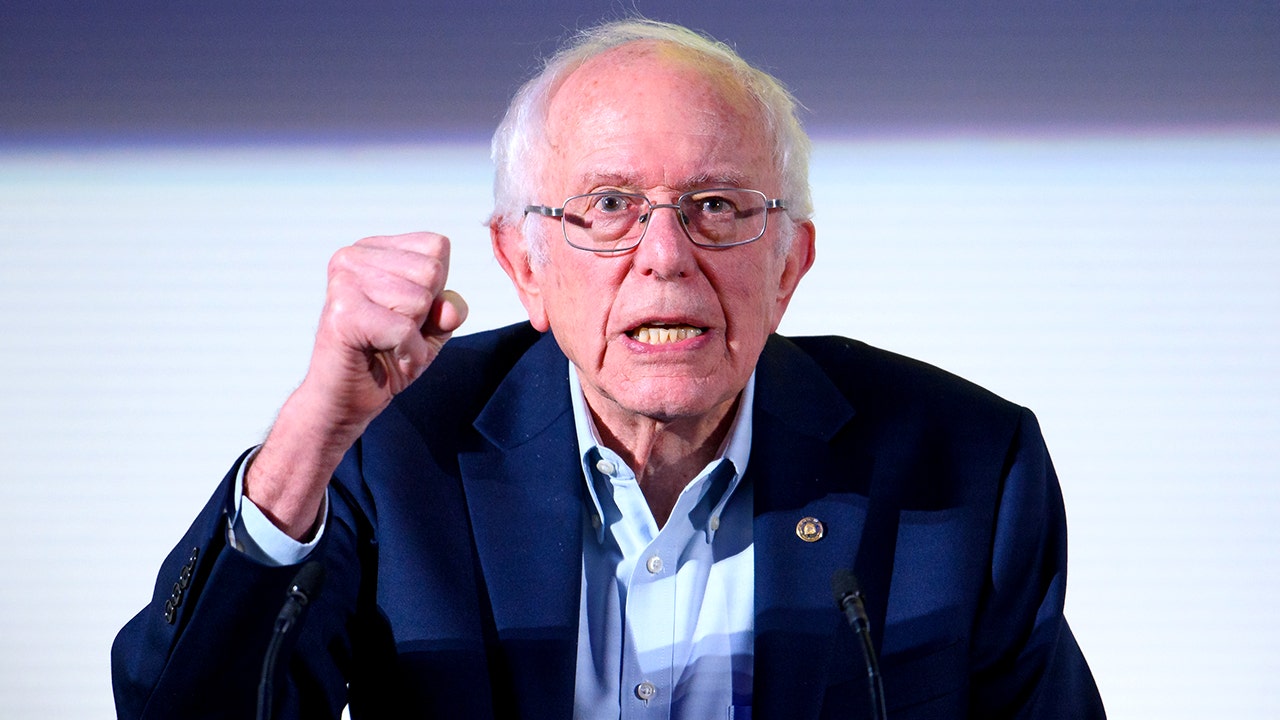
Video: How Bernie Sanders Became A Millionaire
Purchased in 2009 for approximately $405,000, this four-bedroom colonial serves as the Sanders family’s primary home. Located in Burlington’s New North End, the property is modest by modern political standards, with an estimated current market value hovering between $650,000 and $750,000.
2. The Capitol Hill Row House (Washington, D.C.)
Like most members of Congress who maintain residences in both their home state and the nation's capital, Sanders purchased a small one-bedroom townhouse on Capitol Hill in 2007 for roughly $489,000. It provides walking-distance accommodation during legislative sessions and has appreciated in line with the broader Washington, D.C. housing market.
3. The Lake Champlain Summer Home (North Hero, Vermont)
The most scrutinized acquisition occurred in August 2016, shortly after the conclusion of the Democratic primary campaign. Sanders and his wife purchased a four-bedroom seasonal cabin on Lake Champlain for $575,000. Public records and family statements confirmed that the purchase was funded in large part by the sale of Jane Sanders’ family vacation home in North Haven, Maine, which had been inherited from her parents.
Are There Any "Hidden Fortunes"?
Federal ethics rules require members of the Senate to submit detailed annual financial disclosures. These forms mandate the reporting of earned income, honoraria, spousal assets, liabilities, and investments valued above $1,000. The Senate Select Committee on Ethics monitors these submissions for conflicts of interest.
A review of Sanders’ continuous filings from 1991 through 2024 reveals:
- No offshore accounts: There is no evidence of tax shelters, foreign entities, or trust vehicles in the Cayman Islands, Switzerland, or other financial havens.
- No individual corporate equities: Unlike many congressional colleagues who actively trade individual stocks, Sanders avoids single-company shares, sidestepping insider trading controversies.
- Standard debt obligations: Sanders carries typical residential mortgages on his properties, without complex structured debt or private lending arrangements.
The Political Impact of Sanders’ Wealth
Sanders’ entry into the "millionaire class" forced a subtle but noticeable pivot in his political messaging. In his 2016 campaign, Sanders consistently condemned the influence of "millionaires and billionaires." By his 2020 presidential run, his rhetoric had noticeably shifted to focus almost exclusively on "the billionaire class" and multi-billion-dollar corporate monopolies.
Critics argue that earning several million dollars contradicts the core ethos of democratic socialism. Supporters counter that democratic socialism does not forbid personal financial security earned through labor and creative work, such as writing books, but rather opposes systemic wealth inequality, tax evasion, and political corruption orchestrated by ultra-wealthy oligarchs.
Key Takeaways on Bernie Sanders’ Finances
- Net Worth: Estimated at $2.5M to $3M in 2024, placing him in the upper-middle tier of American wealth, but near the lower-middle tier of the U.S. Senate.
- Source of Wealth: Driven by commercial book royalties and a long career earning a congressional salary, combined with standard long-term real estate appreciation.
- Transparency: All major assets and income streams are documented through official Senate financial disclosures available to the public.
Ultimately, the notion of Bernie Sanders possessing vast, secretive wealth does not hold up against public records. While his book royalties transformed him from a modest-income lawmaker into a comfortable multimillionaire, his portfolio remains conventional, transparent, and far from the hidden empire suggested by viral speculation.