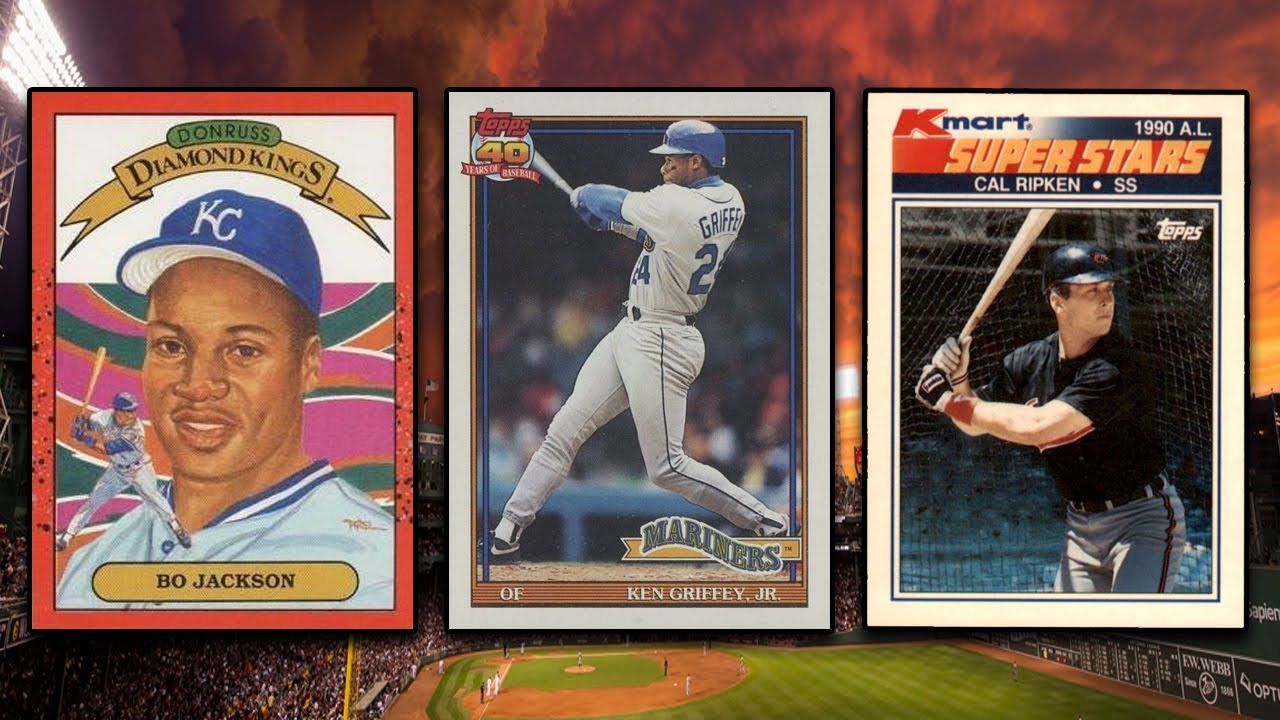
Best Baseball Cards 1990: Ultimate Collector's Guide
Understanding the 1990 Baseball Card Landscape

The year 1990 occupies a fascinating place in sports memorabilia history. Often categorized squarely in the middle of the infamous "junk wax era," the market was flooded with mass-produced cardboard. Millions of packs of Topps, Fleer, Donruss, and Score were printed, packed, and immediately placed into protective plastic by hopeful collectors who believed every box would fund their retirement.
Because of this massive overproduction, the vast majority of cards from this year are worth only a few cents today. However, beneath the massive supply lies a handful of modern classics. Finding the best baseball cards 1990 had to offer requires looking past the common base cards and focusing on marquee rookie cards, notable error variations, and premium parallel sets that managed to break the mold.
Top Rookie Cards That Defined the Era
While veterans like Ken Griffey Jr. and Nolan Ryan dominated checklists, the true chase cards from this vintage were the rookie cards of emerging superstars. Several players who debuted around this time went on to have Hall of Fame careers, anchoring the value of their 1990 cardboard.
Frank Thomas (Topps, Fleer, Donruss, Score, Leaf)
"The Big Hurt" is undoubtedly the king of the 1990 rookie class. Frank Thomas had multiple cards released this year, but a few stand out significantly above the rest. His 1990 Leaf rookie card, in particular, is considered a Holy Grail of early-90s collecting. With its sleek black border and crisp photography, the Leaf version commands a strong premium in pristine PSA 10 gem-mint condition. His Topps and Donruss rookies are exceptionally common, but high-grade copies still hold steady interest.
Sammy Sosa
Before the massive home run chases of the late 1990s made him a household name, Sammy Sosa was a dynamic young prospect for the Chicago White Sox. His 1990 Topps, Donruss, and Fleer rookie cards were pulled by the millions. While raw copies are cheap, graded Gem Mint 10 copies of his iconic Donruss and Fleer rookies still carry respectable value for collectors building master sets of the decade.
Juan Gonzalez
A fearsome slugger for the Texas Rangers, Juan Gonzalez shares a similar trajectory to Sosa. His rookie cards arrived right as the power-hitting boom of the 90s began. Clean, centered examples from flagship sets remain staples of 90s nostalgia collections.
Key Sets and Standout Brands

Not all cardboard was created equal in 1990. Major manufacturers experimented with new technologies, premium paper stock, and distinct border designs to capture market share.
- 1990 Leaf: Widely regarded as the best-looking flagship set of the year. The black borders made condition sensitivity a major issue, meaning a PSA 10 Frank Thomas or Larry Walker from this set is genuinely rare and valuable.
- 1990 Topps: Famous for its colorful, slightly loud borders and the classic Topps Tiffany factory set run, which featured glossy finishes and much smaller print runs than the base retail sets.
- 1990 Upper Deck: While plagued by massive production numbers, Upper Deck revolutionized the hobby in 1989 and continued its high-quality photography and foil hologram seal into 1990, making it a fan favorite.
- 1990 Donruss: Known for its iconic red-and-white border design and the perennial chase for error cards.
Famous Errors and Variations to Look For
The 1990 production runs were notoriously sloppy, leading to a legendary array of error cards, print dots, and factory mistakes that continue to fascinate modern hobbyists.
The 1990 Topps Frank Thomas No Name on Front
This is arguably the most famous error card of the entire decade. Due to a printing glitch, a small batch of Topps cards omitted the gold foil player name on the front of Frank Thomas's rookie card. Finding an authentic "No Name" error can yield hundreds or even thousands of dollars depending on condition and third-party authentication.
Fleer Error Cards
Fleer had a notoriously chaotic year in 1990. From upside-down backs to missing silver foil stamps, error variations popped up across the checklist. While most are worth only a few dollars, they add a fun layer of discovery for anyone sorting through old boxes.
How to Evaluate and Grade 1990 Cards Today
If you recently inherited a collection or found your childhood binder in the attic, you likely want to know if your cards are worth anything. Here is a practical approach to evaluating cards from this era:
- Check the Condition: Because of poor quality control, centering is a major issue on 1990 cards. Look at the borders; if the spacing is uneven or corners are soft, grading won't be economically viable.
- Identify Premium Sets: Separate standard retail cards from high-end releases like Leaf, Upper Deck, or Topps Tiffany sets.
- Verify Authenticity: Be wary of counterfeit high-value cards, especially prominent errors like the Thomas "No Name" variant. Always trust professional grading from PSA, BGS, or SGC for expensive pieces.
Conclusion
While the 1990 baseball card market will never match the astronomical financial returns of vintage 1950s and 60s cardboard, these sets hold immense sentimental value. By focusing on key rookie cards like Frank Thomas, rare high-grade subsets like Leaf, and famous errors, collectors can still find plenty of enjoyment and modest value in the best baseball cards 1990 produced.