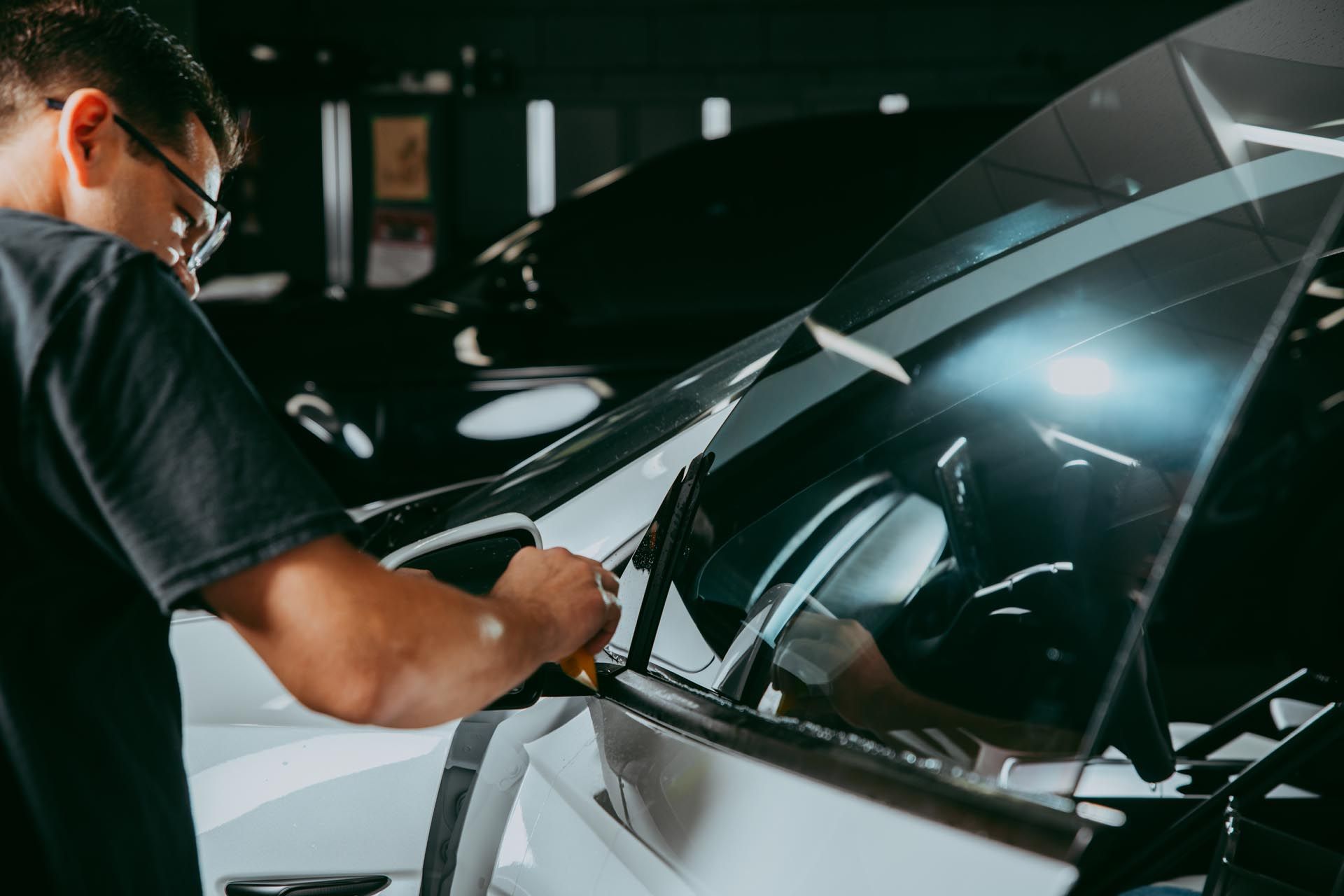
Best Car Window Tinting Las Vegas Near Me: Local Guide
Driving through the Las Vegas Valley means dealing with blistering desert sunshine for the majority of the year. Cabin temperatures can skyrocket in minutes, putting immense strain on your vehicle's air conditioning and fading your interior upholstery. That is why searching for quality car window tinting las vegas near me is one of the first things local vehicle owners do. Professional window film does far more than just improve your car's aesthetic; it is a vital shield against UV radiation and intense infrared heat.
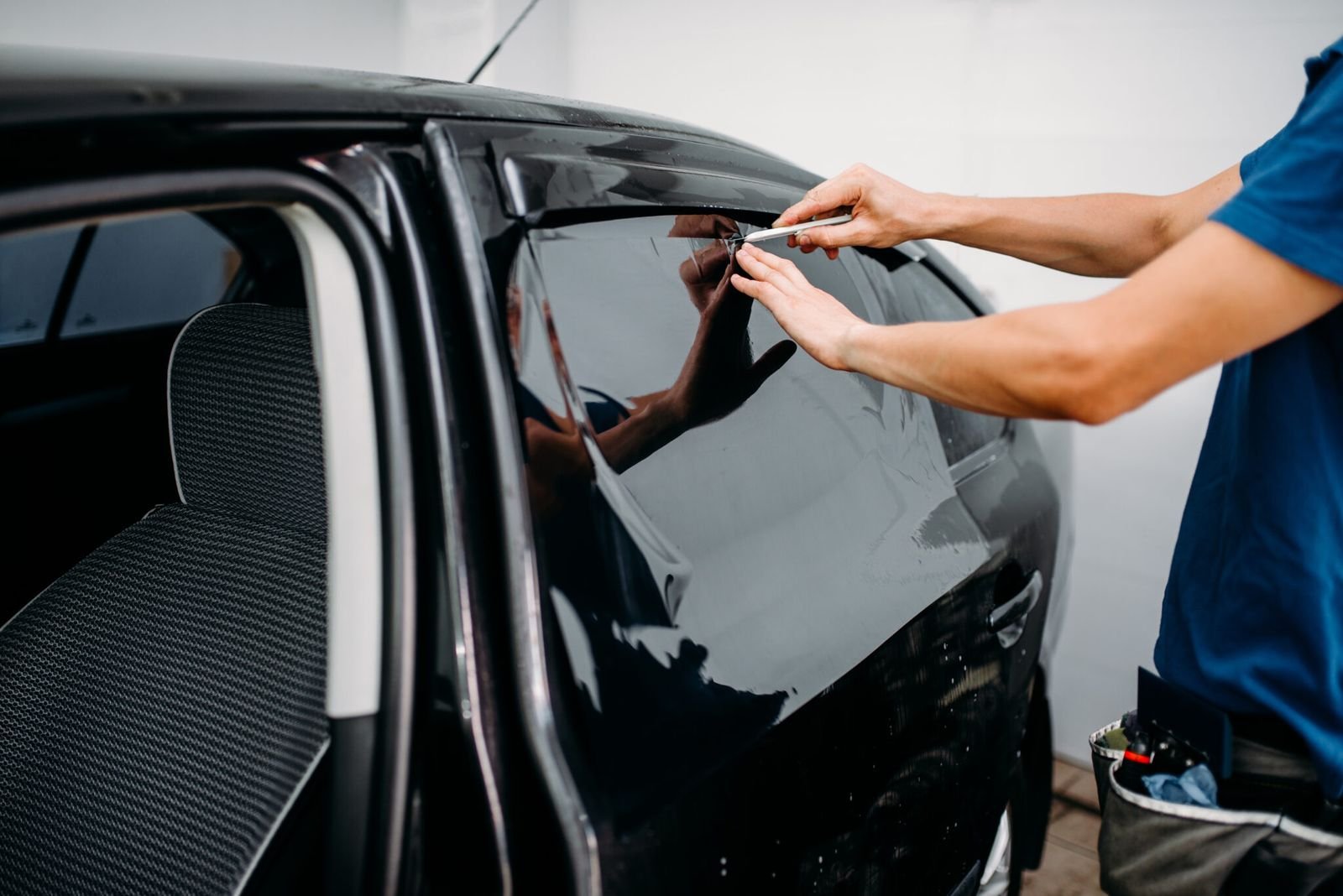
Finding the right tint shop involves more than just picking the cheapest option on a map. Between understanding Nevada’s specific tint darkness laws, choosing between dyed, carbon, and ceramic films, and evaluating installer warranties, a little local knowledge goes a long way. This guide breaks down everything you need to know to find top-tier automotive window tinting services right here in Las Vegas.
Understanding Nevada Window Tint Laws
Before you schedule an appointment with a local tint technician, it is crucial to know what is legal on Nevada roadways. The state has specific regulations regarding how dark your windows can be and what kind of light reflection is permitted. Ignoring these laws can result in fix-it tickets or fines.
Sedans vs. SUVs and Trucks
Nevada divides window tint regulations based on the vehicle type:
- Sedans, Coupes, and Hatchbacks: The front side windows must allow more than 35% of light in. The back side windows and rear windshield can be any darkness you choose, provided the vehicle has dual side mirrors.
- SUVs, Vans, and Trucks: The front side windows must still allow more than 35% of light in. However, the rear side windows and back windshield can be tinted to any darkness level.
Windshield Restrictions
In Nevada, you cannot apply a dark tint across the entire front windshield. Tinting is strictly limited to the manufacturer’s AS-1 line, which is typically the top several inches of the glass. Anything lower obstructs the driver's view and violates state traffic laws.
Choosing the Right Window Tint Material
When you browse shops offering car window tinting in Las Vegas, you will encounter a few different types of film. Selecting the right one depends on your budget, how long you plan to keep the vehicle, and your tolerance for cabin heat.
Dyed Window Film

Dyed film is the most budget-friendly option available. It works by placing a layer of dye between an adhesive base and a protective top coat. While it provides good privacy and reduces mild glare, it has lower heat rejection capabilities compared to premium films and can sometimes turn purple or fade after a few years in the punishing Nevada sun.
Carbon Window Film
Carbon tint steps up the performance significantly. It contains microscopic carbon particles that do not fade or change color over time. Carbon film blocks a substantial amount of infrared light—the rays responsible for making your car feel like an oven—and offers a matte, modern finish without interfering with cell phone or GPS signals.
Ceramic Window Film
Ceramic tint is the gold standard for desert climates. Utilizing nano-ceramic technology, these films block up to 90% of infrared heat and 99% of harmful UV rays without needing to be exceptionally dark. If you want maximum heat rejection while keeping your nighttime visibility crystal clear, ceramic film is worth the investment.
What to Look for in a Las Vegas Tint Shop
With countless automotive customization shops operating across the valley, separating the professionals from the amateurs requires asking the right questions. Keep these criteria in mind when vetting local businesses:
- Manufacturer-Backed Warranties: Reputable shops use high-grade films from brands like XPEL, SunTek, 3M, or Llumar that come with a lifetime manufacturer warranty against bubbling, peeling, and color fading.
- Clean Installation Environment: Dust is the enemy of window tint. The best shops work inside enclosed, climate-controlled bays to prevent airborne desert dust from getting trapped under the film during application.
- Plotter-Cut Technology: Modern shops often use computer-guided plotters to cut film to your vehicle's exact window dimensions rather than cutting by hand directly on the glass, which eliminates the risk of razor blade scratches on your trim or windows.
- Transparent Pricing: A trustworthy technician will provide a clear, upfront quote based on the size of your vehicle and the specific film series you choose, with no hidden fees.
Protecting Your Investment
Once you secure professional installation, proper aftercare ensures your tint lasts for the life of your vehicle. Most installers recommend rolling your windows down for 3 to 5 days to allow the adhesive to fully cure against the glass. When cleaning your windows down the road, always use an ammonia-free glass cleaner. Traditional household glass cleaners contain ammonia, which breaks down tint adhesives and ruins the film over time.
By prioritizing quality materials, staying within legal limits, and choosing an experienced local professional, you can drastically improve your daily commute and keep your vehicle cool even during the peak of a Las Vegas summer.