Best Coloring Books for Littles: A Complete Guide
Understanding Coloring Books for Littles

Finding the right creative supplies for toddlers and preschoolers can feel overwhelming. When parents search for coloring books for littles, they usually want something engaging, mess-free, and developmentally appropriate. Unlike older children who can handle intricate mandalas or detailed comic book pages, very young children need specific visual cues to keep them interested without causing frustration.
Coloring isn't just a quiet way to pass a rainy afternoon. For children aged one to four, it is a foundational activity that builds hand strength, improves hand-eye coordination, and teaches spatial awareness. Choosing books tailored specifically to their developmental stage makes a massive difference in how much they enjoy and benefit from the process.
Key Features of Toddler-Friendly Coloring Books
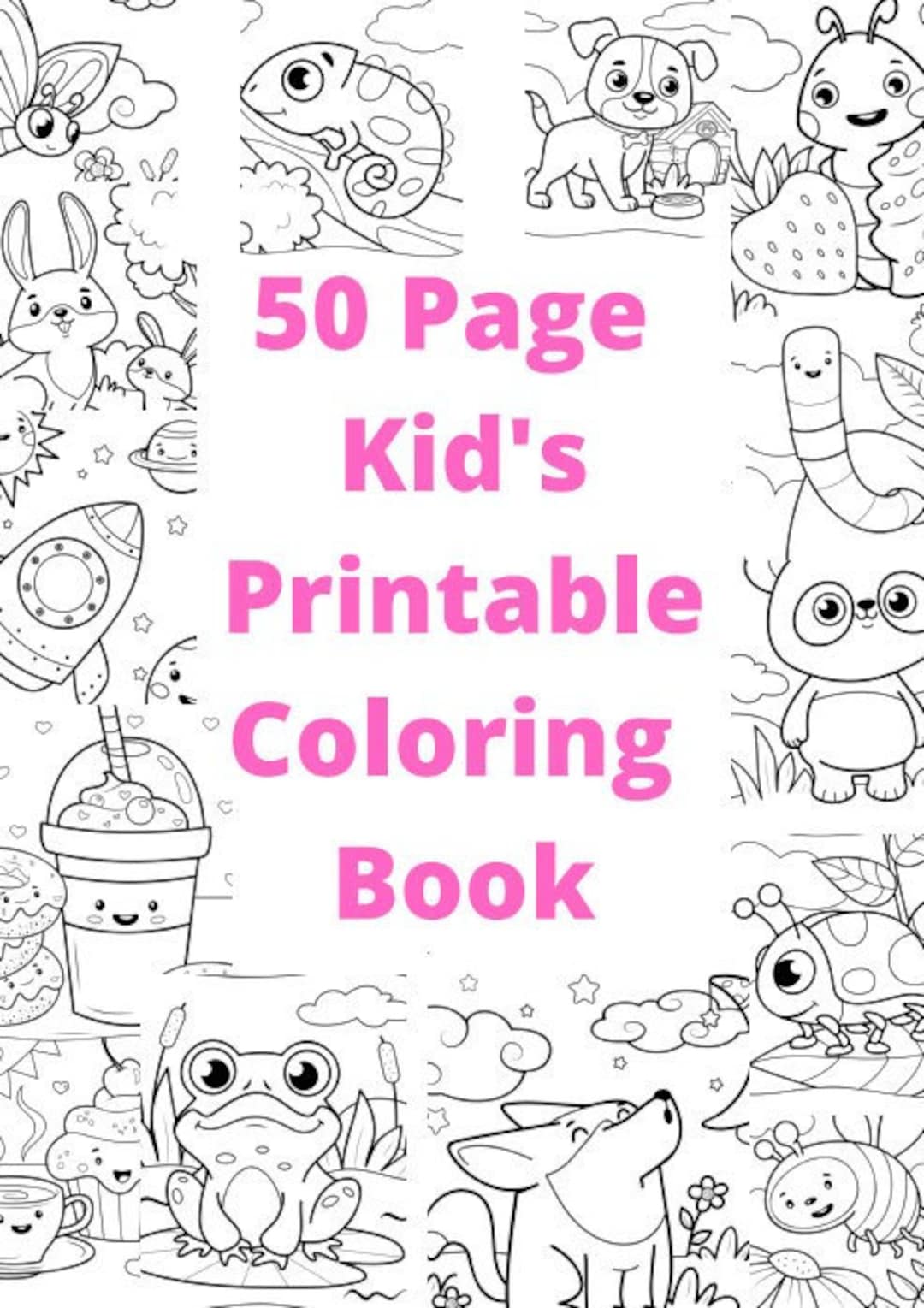
Not all children's books are created equal. If you grab a standard coloring book off the shelf, you might find pages crowded with tiny details, thin lines, and complex scenes. These often overwhelm toddlers, leading them to scribble quickly and abandon the book.
Thick, Bold Outlines
The hallmark of great books for young kids is thick, dark linework. Toddlers and young preschoolers are still mastering their grip on crayons or markers. Thick borders act as visual guardrails, helping them understand where shapes begin and end. Even if their coloring spills over the edge, the bold line frames the artwork and creates a satisfying result.
Simple Shapes and Familiar Objects
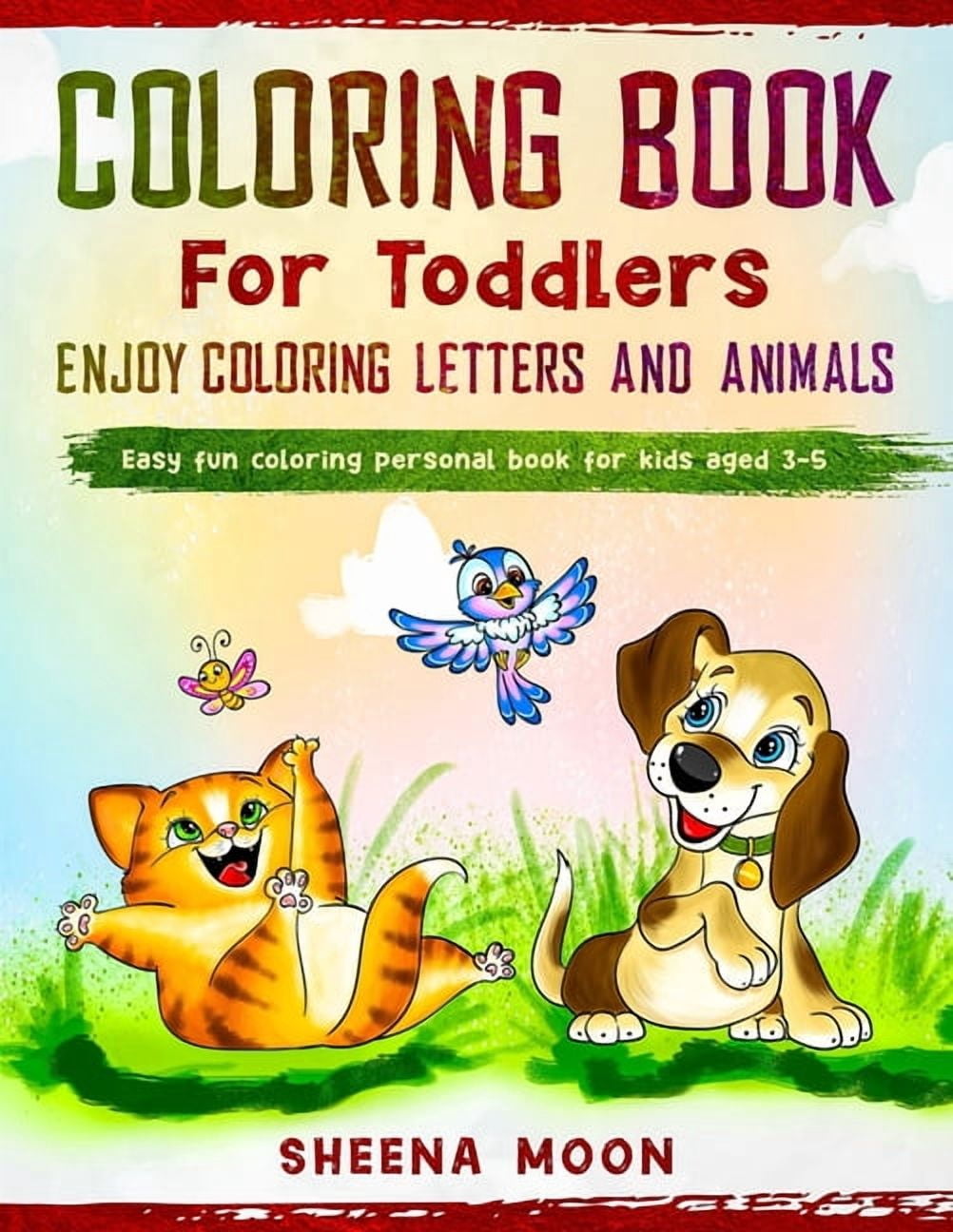
Look for pages featuring single, recognizable objects rather than busy background scenes. Think of large apples, friendly dogs, simple cars, or oversized stars. These designs allow toddlers to focus on the physical act of coloring rather than trying to decipher what is on the page. Familiar objects also build early vocabulary as parents point to the pictures and name them aloud.
Single-Sided Printing
Bleed-through is a common frustration when working with markers and paints. High-quality books for young children feature single-sided printing. This design choice ensures that if a child presses too hard with a marker or uses watercolors, it won't ruin the image waiting on the back of the page. It also makes it easy to tear the masterpiece out and stick it proudly on the refrigerator.

Developmental Benefits Beyond the Crayons
Engaging with coloring books supports several key milestones during early childhood:
- Fine Motor Control: Gripping a thick crayon or chunky colored pencil strengthens the small muscles in a child's hand and fingers, preparing them for writing later on.
- Bilateral Coordination: Holding the book steady with one hand while coloring with the other teaches both sides of the brain and body to work together.
- Color Recognition: Coloring time provides a natural context to talk about hues, shades, and names of different colors.
- p>Focus and Patience: Completing even a single simple shape fosters concentration and a sense of accomplishment.
Choosing the Right Coloring Tools
Even the best coloring books for littles won't be successful if paired with the wrong tools. Standard wooden pencils can break easily under heavy toddler pressure, and traditional markers can ruin clothing and walls.
For one-year-olds and young two-year-olds, palm-grip crayons or beeswax egg crayons are ideal. They are nearly impossible to snap and fit naturally into a fist. As children approach three and four years old, triangular jumbo pencils and washable dot markers offer more precision while remaining easy to hold.
Tips to Encourage Creative Expression
Children develop a lifelong love for art when the process is kept fun and low-pressure. Try these strategies to make the most of coloring time:
- Let go of rules: A cow doesn't have to be black and white; grass can be purple. Allow toddlers to explore color however they choose without correcting them.
- Sit together: Color on your own piece of paper while your child works. Kids love imitation, and seeing an adult color makes the activity more engaging.
- Keep sessions short: Toddler attention spans are brief. Five to ten minutes of focused coloring is a major win. Never force a child to finish a page.
- Display their work: Hang their finished pieces at their eye level. Seeing their art valued builds self-esteem and enthusiasm for future creative projects.
Conclusion
Investing in the right coloring books for littles sets the stage for positive creative experiences. By prioritizing thick lines, simple themes, and single-sided layouts, you provide an approachable canvas that builds your child's fine motor skills and boosts their confidence. Grab some washable crayons, sit down together, and enjoy watching their imaginations come to life on the page.