Best Entry Level Economics Jobs & Career Guide
Navigating Entry Level Economics Jobs
Graduating with a degree in economics opens doors to a wide array of analytical, financial, and strategic careers. Whether you specialized in econometrics, public policy, or microeconomics, the modern job market values the data-wrangling and problem-solving skills you've developed. However, translating a theoretical degree into a rewarding career requires knowing where to look and understanding what employers want.
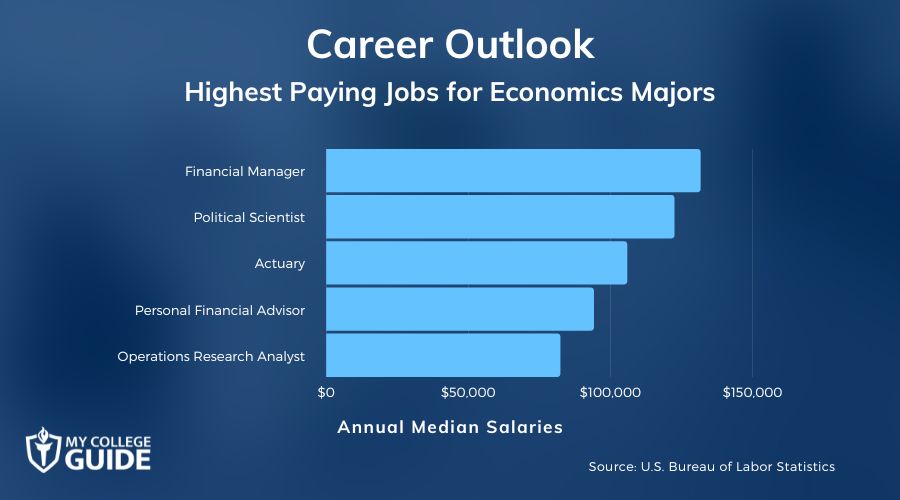
Securing entry level economics jobs is less about finding a position with "economist" in the title and more about identifying roles where quantitative reasoning, market research, and data analysis take center stage. From corporate finance to government agencies and non-profit organizations, the private and public sectors both offer robust pathways for recent graduates.
Top Entry Level Economics Jobs to Consider
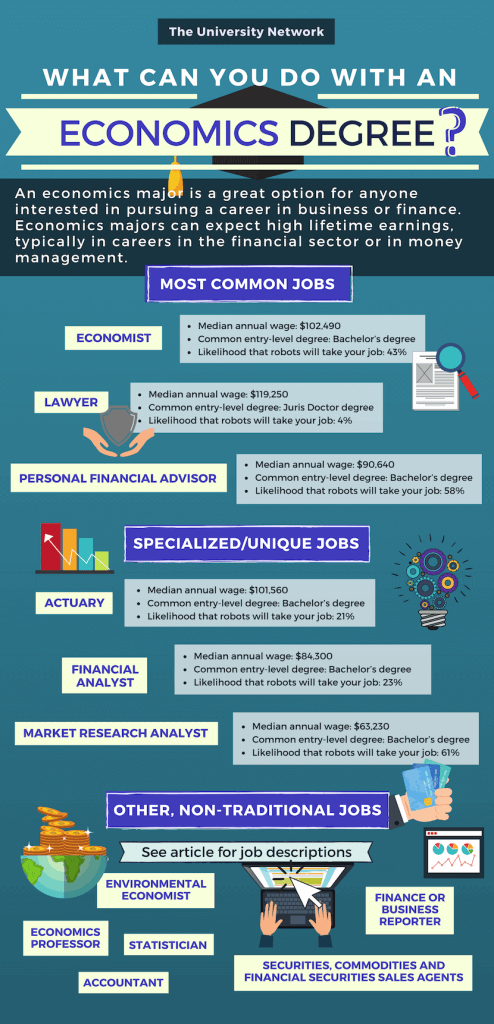
Because economics is a versatile discipline, your first job title might vary wildly depending on your industry of interest. Here are some of the most common and rewarding roles for recent graduates.
1. Research Assistant
Think-tanks, university departments, and economic consulting firms frequently hire research assistants to collect, clean, and analyze economic data. In this role, you will often support senior economists by running statistical models using software like Stata, R, or Python. It is an exceptional stepping stone if you plan on pursuing a graduate degree in economics or public policy later on.
2. Financial Analyst
Corporations rely heavily on financial analysts to guide their budgeting, forecasting, and investment decisions. As an entry-level analyst, you will evaluate financial data, monitor macroeconomic trends, and prepare reports that help executives make strategic choices. This path offers a clear trajectory toward corporate leadership or specialized finance roles.
3. Pricing Analyst
Retailers, tech companies, and manufacturing firms employ pricing analysts to determine optimal product pricing strategies. You will study consumer demand, competitor pricing, and market elasticity to maximize profitability. This job heavily blends microeconomic theory with real-world market dynamics.

4. Data Analyst
With businesses drowning in information, data analysts are in high demand. While not strictly an economics role, your background in statistical inference and econometrics makes you uniquely qualified. You will interpret complex datasets, build dashboards, and translate raw numbers into actionable business insights.
5. Policy Analyst
Government agencies, lobbying groups, and advocacy organizations hire policy analysts to study the potential economic impacts of proposed laws or regulations. You will draft briefs, conduct cost-benefit analyses, and present your findings to stakeholders or lawmakers.
Key Skills That Make You Stand Out
Earning your degree proves you understand economic principles, but landing the job requires proving your practical capabilities. Employers hiring for these roles look for a specific mix of technical and soft skills:
- Statistical Software Proficiency: Familiarity with tools like R, Python, Stata, SQL, or advanced Excel gives you an immediate edge over other applicants.
- Data Visualization: The ability to explain complex quantitative findings to non-technical stakeholders using tools like Tableau or PowerBI is invaluable.
- Strong Communication: Economics is useless if you cannot explain it simply. Writing clear reports and presenting findings effectively will set you apart.
- Curiosity and Commercial Awareness: Keeping up with current market trends, inflation data, and global supply chain shifts shows employers you care about the real-world application of your studies.
How to Land Your First Economics Role
The job search can feel daunting, but a strategic approach yields the best results. Follow these actionable steps to accelerate your hiring timeline:
- Build a Portfolio: Don't just rely on your resume. Create a GitHub repository or personal website showcasing data analysis projects, economic research papers, or predictive models you built in school.
- Network Beyond Job Boards: Attend industry webinars, join local economics or finance associations, and reach out to alumni from your university working in fields you admire. Informational interviews often lead to unadvertised job openings.
- Tailor Your Resume: Highlight quantitative projects, programming languages, and specific economic methodologies you utilized in your coursework rather than just listing classes you took.
- Consider Consulting and Government: Large public sector departments and boutique economic consulting firms hire in high volumes and offer structured training programs for new graduates.
Final Thoughts
Breaking into the job market requires patience and persistence. By focusing your search on roles that leverage your quantitative and analytical strengths, you can secure a position that offers both immediate professional growth and long-term career stability. Keep refining your technical toolkit, stay curious about global market shifts, and you will find the right opportunity to launch your professional journey.