Best Gator Blades for Cub Cadet Mowers
Upgrade Your Lawn Care With Gator Blades for Cub Cadet

If you own a Cub Cadet riding mower or zero-turn, you already know it is a capable machine. However, standard factory blades often struggle to handle thick grass, damp leaves, or tall weeds efficiently. They tend to leave windrows or drop clumps of clippings across your pristine lawn. That is where Oregon Gator blades come in. Switching to genuine Gator blades for Cub Cadet mowers transforms your stock cutting deck into a high-powered mulching machine, saving you time on bagging and raking while returning essential nutrients directly to your turf.
Understanding Oregon Gator Blade Technology
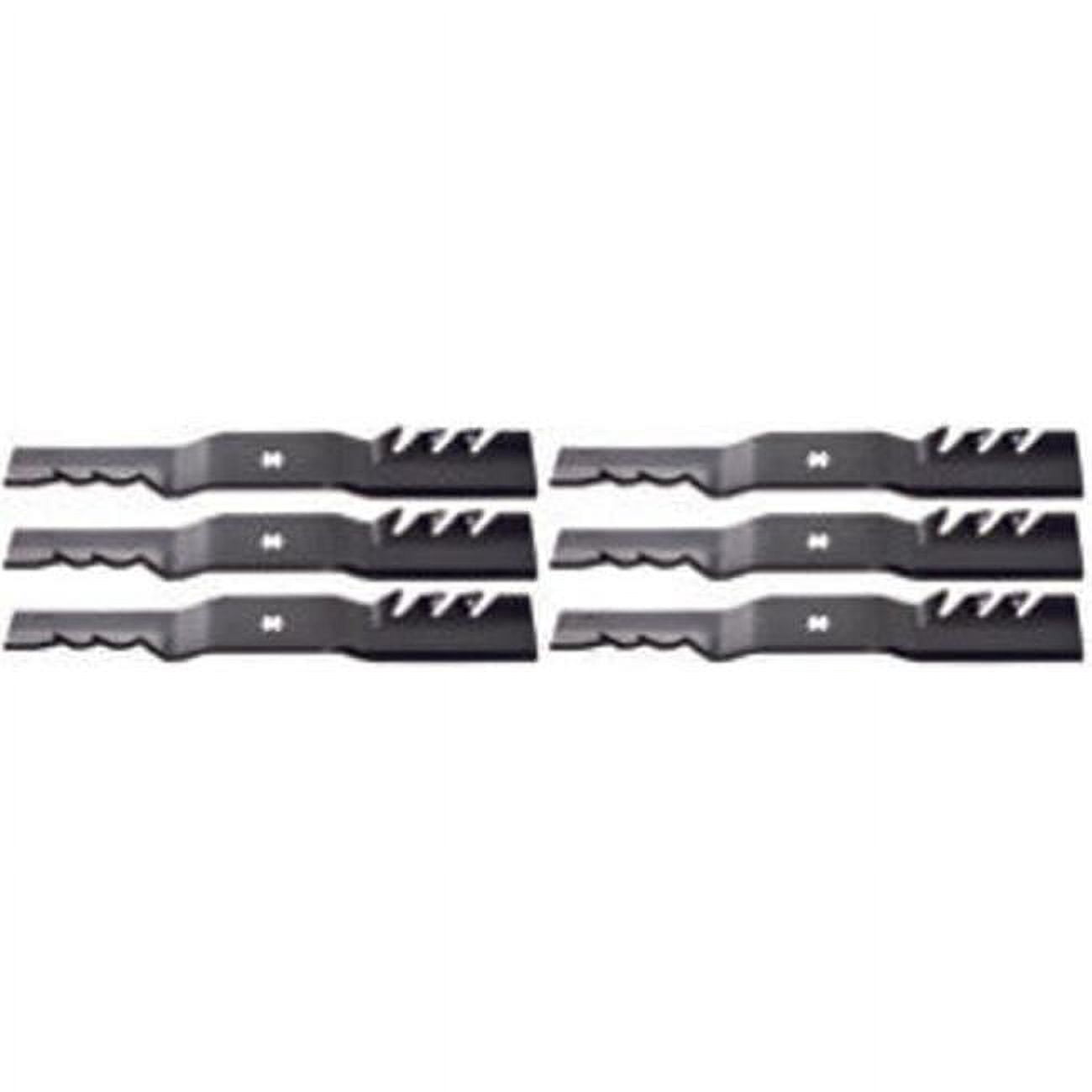
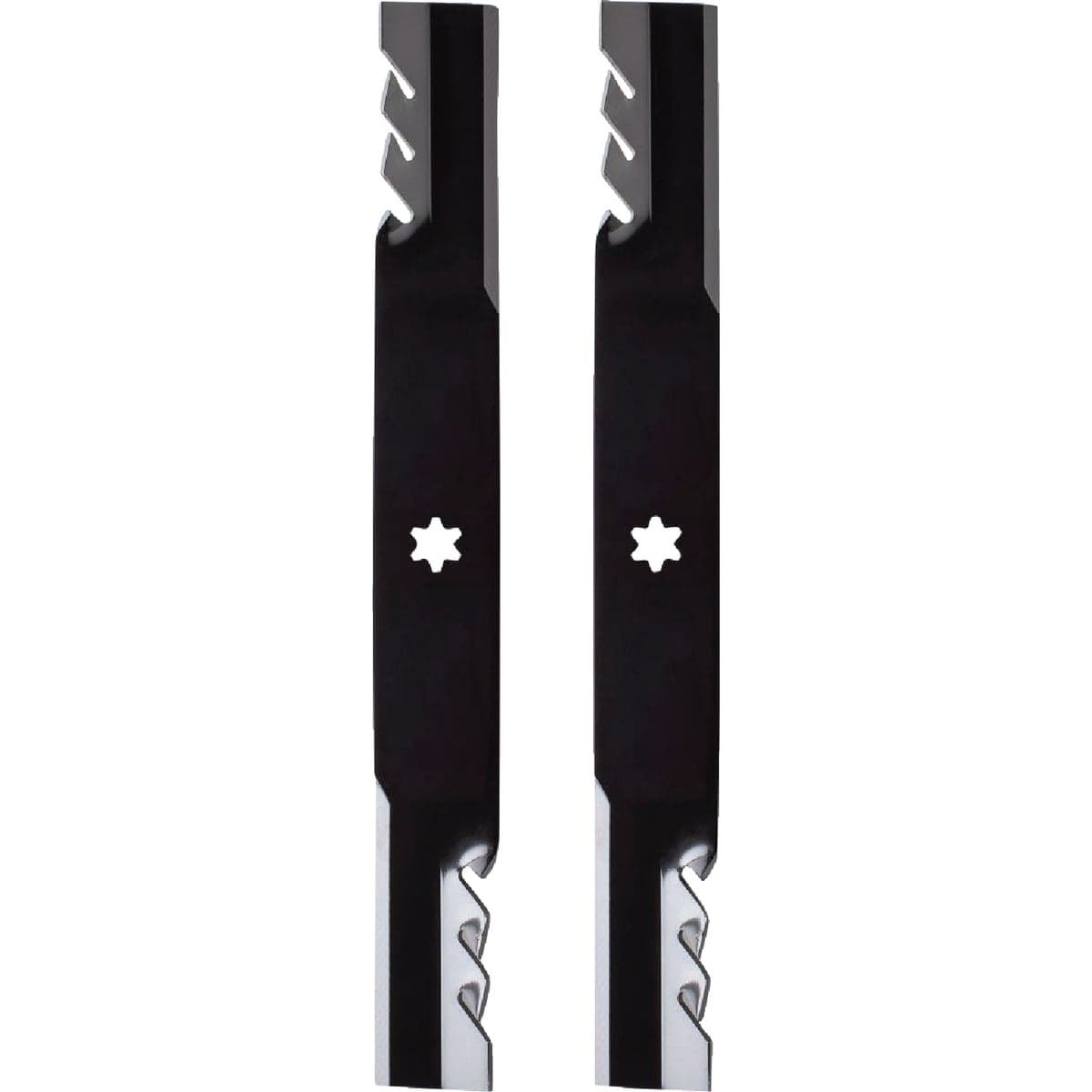
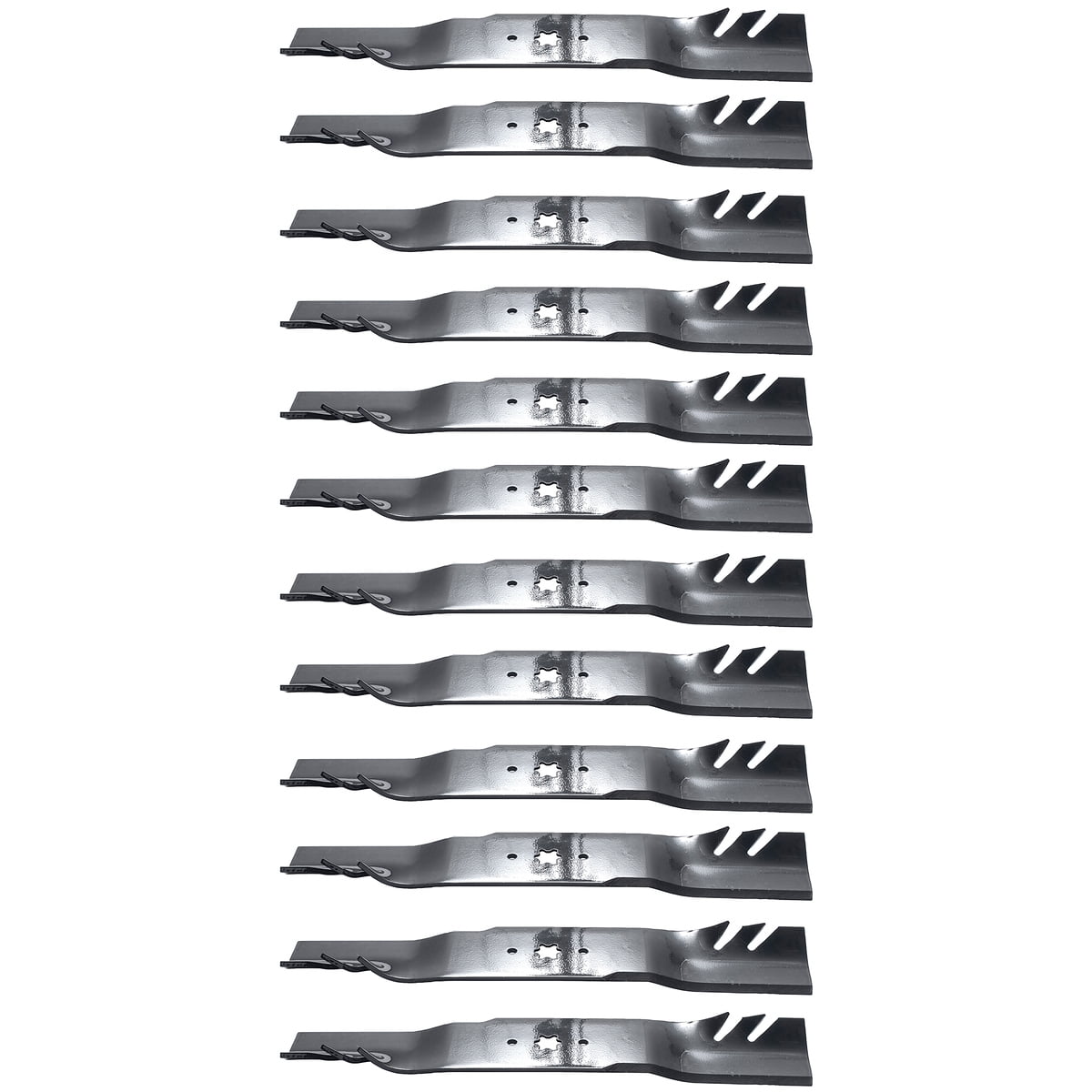
Oregon, the manufacturer behind the famous Gator brand, designed these blades with a distinct geometry that sets them apart from standard OEM (Original Equipment Manufacturer) blades. Unlike flat or low-lift factory blades, Gator blades feature a unique curved, tooth-like design along the back edge of the cutting surface.
How the Mulching Process Works
As the blade spins at high speeds under your Cub Cadet deck, the angled teeth create a multi-directional airflow pattern. This vortex lifts the grass blades upward for a clean, even cut on the first pass. Once the grass is cut, instead of simply blowing it out the discharge chute, the blade's teeth chop and re-chop the clippings into microscopic pieces. These tiny particles fall deep into the turf canopy where they decompose rapidly, acting as a natural, nitrogen-rich fertilizer for your lawn.
Choosing the Right Gator Blades for Your Cub Cadet
Oregon manufactures two primary tiers of Gator blades suitable for residential and semi-professional Cub Cadet mowers: the G3 and the G6 series. Selecting the right option depends on your property conditions and mowing habits.
Oregon G3 Blades
The G3 series is the most popular choice for standard residential homeowners. They are engineered for general mowing, bagging, and standard mulching on manicured lawns. If you mow weekly, keep your property free of heavy debris, and want an upgrade over standard factory blades without putting extra strain on your mower's spindle bearings, the G3 is an ideal fit.
Oregon G6 Blades

If your property features harsh conditions—such as sandy soil, rocky terrain, or heavy fall leaf cleanup—the G6 series is built for the job. G6 blades are thicker, wider, and feature a tungsten-carbide fused edge. This extra durability means they stay sharp significantly longer in abrasive environments. However, they are heavier, so ensure your Cub Cadet engine and spindle setup can handle the added mass.
Matching Blade Length to Your Cub Cadet Deck
Before purchasing replacement blades, you must verify your exact deck size and spindle configuration. Cub Cadet produces a wide variety of stamped and fabricated decks ranging from 42 inches to 54 inches and beyond. Using the wrong length can cause the blades to strike each other, destroying your deck and risking severe injury.
- 42-Inch Decks: Typically require a two-blade setup. Always measure your existing blades diagonally from tip to tip to confirm.
- 46-Inch and 50-Inch Decks: Often use specific hole patterns (such as a 6-point star or center hole) unique to MTD/Cub Cadet spindles.
- 54-Inch Fabricated Decks: Usually require a three-blade configuration designed for heavy-duty commercial or semi-commercial use.
Always cross-reference your Cub Cadet part number (found in your owner's manual) with Oregon’s lookup catalog to ensure proper center hole compatibility.
Step-by-Step Installation Guide
Installing new Gator blades on your Cub Cadet is a straightforward DIY project that requires basic tools and safety precautions. Follow these steps to complete the job safely:
- Disconnect the Spark Plug: For safety, unplug the spark plug wire (or disconnect the battery on electric models) to prevent accidental startup.
- Elevate the Mower: Use a certified mower lift or hydraulic jack to raise the deck safely. Never work under a mower supported only by a hydraulic jack; use heavy-duty jack stands.
- Secure the Blades: Wedge a wood block between the blade and the deck housing to keep the blades from spinning while you loosen the bolts.
- Remove Old Hardware: Turn the deck bolts counter-clockwise to remove them. Keep track of the bell washer orientation—the cupped side of the washer must face toward the blade.
- Install the Gator Blades: Position the new Gator blades with the cutting edge facing the direction of rotation and the "grass side" (often labeled or marked) facing down toward the ground.
- Torque to Specification: Thread the bolts back in and torque them to your specific Cub Cadet model's recommended foot-pounds (usually between 70 to 90 ft-lbs).
Maintenance Tips to Extend Blade Life
To get the most out of your investment, proper maintenance is essential. Even though Gator blades are durable, they will eventually dull, especially the G3 models. Inspect your blades every 25 hours of operation. Clean away dried grass clippings underneath the deck to prevent moisture buildup and rust. When sharpening, maintain the factory bevel angle to ensure the vortex airflow remains balanced, preventing unwanted vibration that can damage your Cub Cadet spindles over time.
Final Thoughts
Upgrading to Gator blades for your Cub Cadet mower is one of the most cost-effective ways to enhance your lawn care routine. By replacing mediocre factory cuts with a superior mulching action, you save time, eliminate unsightly grass clumps, and promote a healthier, greener lawn all season long.