Best Home Drug Test Kits of 2024: Accuracy & Reviews
Whether you are monitoring a loved one's recovery, screening for a workplace, or simply curious about personal health, finding the best home drug test is crucial for accurate results. Modern over-the-counter screening kits have evolved significantly, offering laboratory-grade accuracy from the privacy of your own bathroom. However, with dozens of multi-panel urine cups, saliva swabs, and specialized strips available, choosing the right product can feel overwhelming.

This comprehensive guide breaks down the top home drug screening options, how they work, what substances they detect, and how to ensure you get reliable, trustworthy results every time.
Understanding Home Drug Tests
Home drug tests generally fall into two categories: immunoassay screening tests and gas chromatography-mass spectrometry (GC-MS) confirmation tests. Over-the-counter kits rely on immunoassay technology, using antibodies to detect the presence of specific drugs or their metabolites in biological samples.
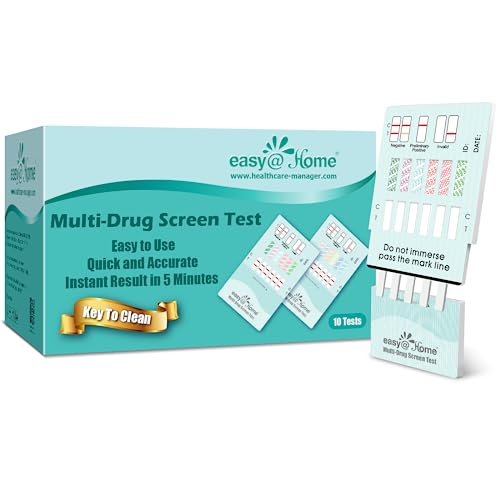
Most consumer kits test for multiple substances simultaneously. These are referred to-panel tests (e.g., 5-panel, 10-panel, or 12-panel tests). Each panel represents a distinct drug class. When choosing a test, you should carefully check the panel configuration to ensure it screens for the specific substances you want to detect.
Top Types of Home Drug Screening Kits
Different testing formats offer distinct advantages depending on your needs for convenience, discretion, and speed.
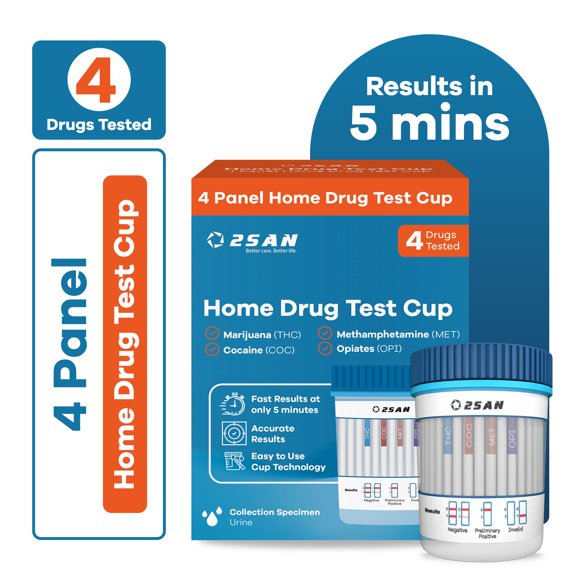
1. Urine Cup Multi-Panel Tests
Urine screening is the gold standard for home testing because it offers a wide detection window (typically days to weeks, depending on the substance and frequency of use).
- Pros: Highly accurate, inexpensive per panel, tests for many drugs at once.
- Cons: Less discreet, requires collection of a urine specimen.
- Best for: General comprehensive screening and monitoring.
2. Saliva (Oral Fluid) Swab Tests
Oral fluid tests are gaining popularity because they are completely non-invasive and virtually impossible to adulterate.

- Pros: Easy to administer, difficult to tamper with, highly effective for recent use (usually within 24 to 48 hours).
- Cons: Shorter detection window compared to urine.
- Best for: Detecting very recent drug use or situations requiring instant, clean observation.
3. Single-Substance Dip Cards
If you only need to screen for one specific substance—such as marijuana (THC) or opioids—single-dip cards are a cost-effective and straightforward solution.
- Pros: Very low cost, simple to read.
- Cons: Limited scope.
- Best for: Targeted, single-substance monitoring.
Key Features to Look For
Not all home screening kits are created equal. When shopping for a reliable testing kit, keep the following criteria in mind:
- FDA Clearance: Look for kits that are FDA-cleared for over-the-counter (OTC) use. This ensures the manufacturer meets strict quality control and accuracy standards.
- Cutoff Levels: Substance detection is measured in nanograms per milliliter (ng/mL). Standard cutoff levels comply with federal guidelines, but ultra-sensitive tests can detect lower thresholds.
- Clear Instructions and Result Windows: A good test provides easy-to-read lines. Faint lines still indicate a negative result, but the documentation should explain this clearly to avoid false interpretations.
- Expiration Dates: Chemical reagents degrade over time. Always check the expiration date printed on the packaging to avoid compromised results.
How to Ensure Accurate Results
Even the best screening kit can yield inaccurate results if instructions are not followed precisely. To maximize accuracy, follow these best practices:
- Read the Manual First: Temperatures, timing windows, and sample volumes vary by brand. Read the insert before collecting the sample.
- Control the Environment: Ensure the testing area is clean and that urine or saliva samples are kept at room temperature as specified by the manufacturer.
- Watch for Adulteration: Some urine cups feature built-in temperature strips to verify that the sample was freshly provided and has not been substituted.
- Understand Prescriptions: Legitimate medications, such as Adderall or prescription painkillers, will trigger positive results on standard multi-panel tests. Keep this in mind when evaluating outcomes.
What to Do After a Positive Result
It is important to remember that home immunoassay tests are preliminary screening tools, not definitive diagnoses. Cross-reactivity with certain foods, over-the-counter medications, or herbal supplements can occasionally cause false positives.
If a home test returns a positive result that is unexpected, the standard protocol is to send a split sample to a certified laboratory for gas chromatography-mass spectrometry (GC-MS) or liquid chromatography-tandem mass spectrometry (LC-MS/MS) confirmation testing.
Conclusion
Choosing the best home drug test depends entirely on your specific requirements—whether you need a wide-spectrum 12-panel urine cup or a quick, non-invasive saliva swab. Prioritize FDA-cleared products with clear instructions, high consumer ratings, and appropriate cutoff levels. By following proper testing protocols, you can achieve reliable, confidential results right at home.