Best Math Aids for Students and Teachers
Mathematics can sometimes feel abstract and intimidating for learners of all ages. Whether you are a classroom teacher managing thirty different learning styles or a parent helping with evening homework, bridging the gap between theoretical numbers and real understanding is crucial. This is where effective math aids come into play, transforming invisible concepts into tangible, visual experiences.

Using the right tools helps students grasp foundational ideas faster and retain them longer. In this guide, we will explore the best physical and digital resources available today to make mathematics engaging, accessible, and fun.
Physical Manipulatives for Hands-On Learning
Long before students encounter algebra and calculus, they need a strong grasp of arithmetic and spatial awareness. Physical objects allow learners to touch, move, and experiment with numbers, laying a robust foundation for abstract thought.
Base Ten Blocks and Place Value Disks
Understanding our base-ten number system is critical for everything from simple addition to long division and decimals. Base ten blocks (units, rods, flats, and cubes) give physical weight to numbers:
- Units: Represent ones.
- Rods: Represent tens.
- Flats: Represent hundreds.
- Cubes: Represent thousands.
By physically trading ten units for one rod, students intuitively understand carrying and borrowing, rather than just memorizing procedural steps.
Fraction Tiles and Circles
Fractions are notoriously difficult for elementary students because traditional counting numbers don't seem to apply. Fraction aids—such as magnetic fraction tiles or plastic circles—allow students to see that two-fourths occupy the exact same space as one-half. This visual confirmation eliminates common misconceptions, like thinking that a denominator of eight makes a fraction automatically larger than a denominator of four.
Cuisenaire Rods
These proportional rods range in length from 1 centimeter to 10 centimeters, with each length assigned a specific color. They are versatile math aids used for teaching everything from basic addition and subtraction to ratios, multiplication, and even algebraic substitution.
Digital Math Aids and Software
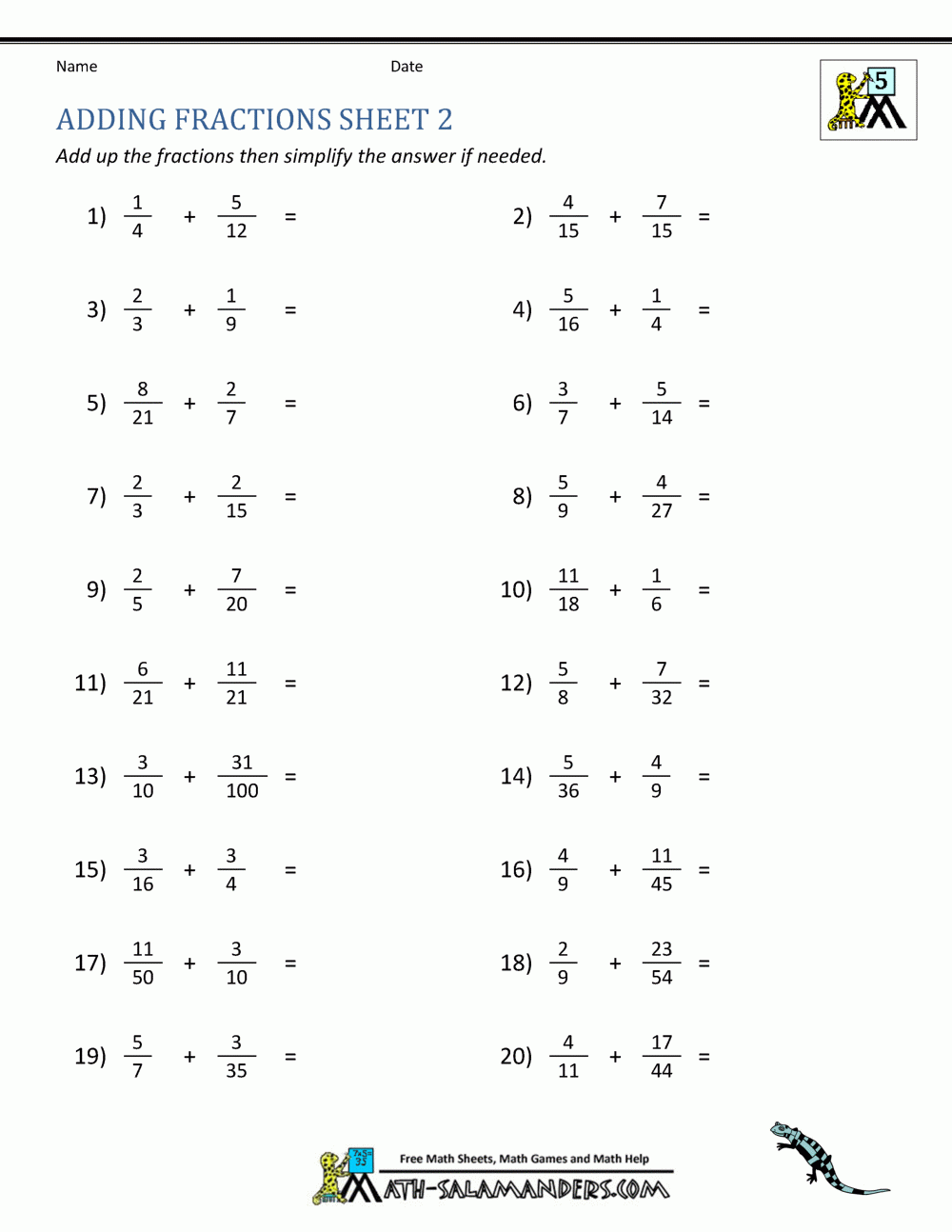
Video: Five paper cups self-made mathematics teaching aids, easy addition and subtraction.
As education evolves, digital tools have become indispensable complements to physical classrooms. They offer instant feedback, adaptive learning paths, and engaging gamification.
Interactive Geometry Software
Dynamic geometry programs allow students to construct shapes, angles, and transformations on a screen and drag them around to see how geometric properties change in real-time. Instead of drawing static triangles on paper, learners can instantly test theorems like the Pythagorean theorem or properties of circles by manipulating digital vertices.
Virtual Manipulatives
For remote learning environments or classrooms with limited budgets, virtual math aids offer digital replicas of physical tools. Online fraction bars, virtual base-ten blocks, and interactive number lines ensure that every student has access to hands-on learning experiences, regardless of physical supply constraints.
Adaptive Practice Apps
Not all students progress at the same speed. Modern educational apps use algorithms to assess a student's strengths and weaknesses, delivering targeted problem sets that adapt to their skill level. This prevents advanced students from getting bored while providing struggling learners with the extra repetition they need.
Visual Aids and Reference Materials
Sometimes, the best support is something a student can glance at quickly to refresh their memory during independent work.
Choosing the Right Tool for the Learner
With so many options available, selecting the right aid depends entirely on the developmental stage of the student and the specific concept being taught. Early elementary learners benefit immensely from physical objects they can count and stack. Middle schoolers transitioning into abstract thinking thrive when using visual models and interactive software. High school students benefit most from graphing utilities, formula charts, and targeted digital problem solvers.
By thoughtfully integrating these resources into daily routines, you can demystify numbers and foster a lifelong confidence in mathematical problem-solving.