Best Skid Loader Firewood Processors: Buyer's Guide
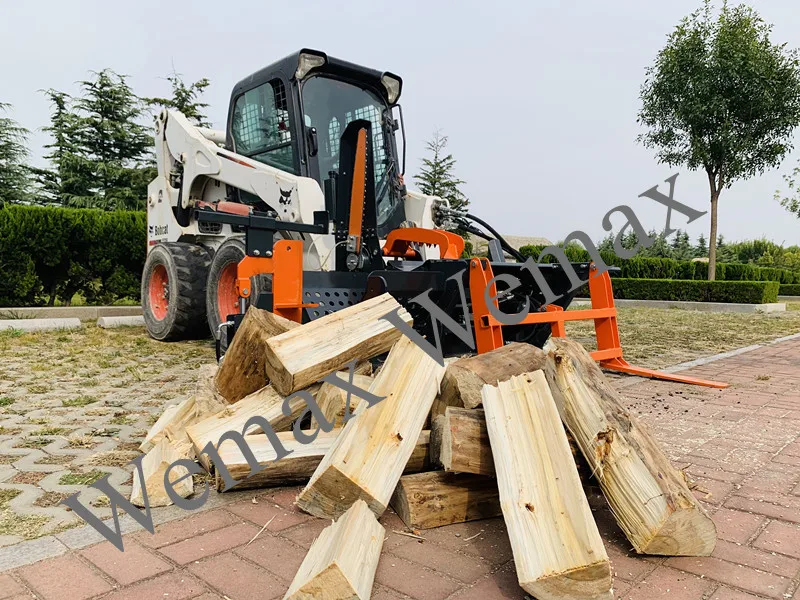
Processing firewood efficiently requires the right machinery, especially if you are scaling up from a basic hydraulic log splitter to commercial-grade volumes. For landowners, tree service companies, and commercial firewood producers, mounting a skid loader firewood processor to an existing utility machine is a game-changer. Instead of investing in a standalone, tow-behind engine unit with its own maintenance schedule, you can leverage the high-flow hydraulics and mobility of your skid steer to saw, split, and load wood faster than ever.

This guide covers how these attachments work, the key benefits they offer, what to look for when shopping, and how to choose the right model for your operational needs.
How a Skid Loader Firewood Processor Works
A skid loader firewood processor combines multiple steps of firewood production into a single attachment operated from the comfort of your cab. While traditional splitting requires you to buck logs with a chainsaw, haul them to a splitter, and manually load them onto a beam, a processor streamlines the workflow.
Most units operate through the following integrated sequence:
- Log Handling: The operator uses the processor's grapple or trough to position a log.
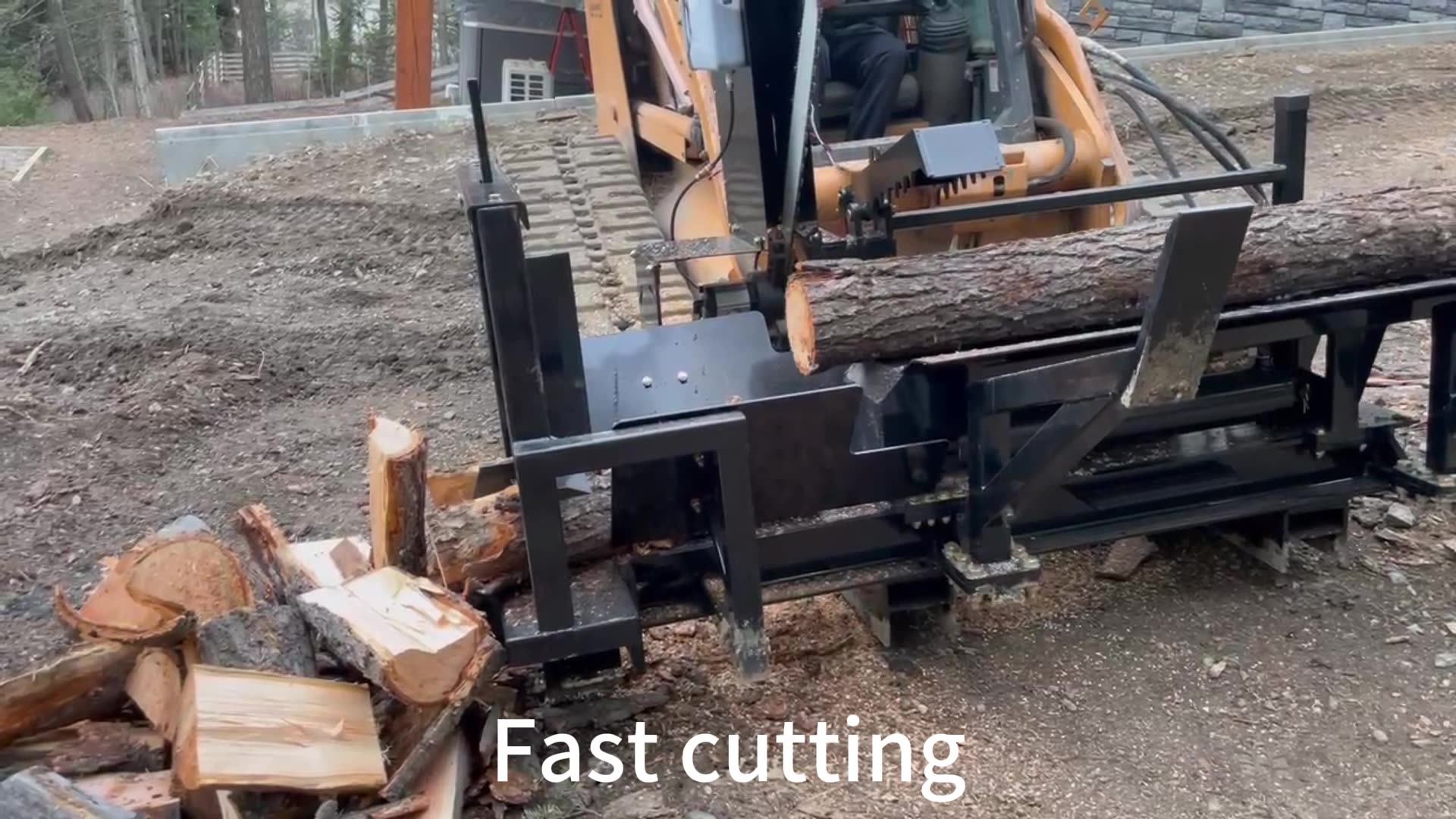
- Bucking: A hydraulic chainsaw bar cuts the log to the desired length (usually 16 to 24 inches).
- Splitting: The cut block drops into a splitting trough where a hydraulic push-block forces the wood through a multi-way splitting wedge (such as a 4-way, 6-way, or 8-way wedge).
- Discharging: The split pieces drop onto an optional conveyor or directly into a truck, trailer, or pile.
Because the unit runs off your skid steer's auxiliary hydraulics, you eliminate the need for a separate gas motor on the attachment, reducing overall maintenance and fuel consumption.
Key Benefits of Using Your Skid Steer for Firewood
Integrating a processor with your skid steer offers several distinct advantages over traditional standalone units or manual labor.
1. High Mobility and Terrain Versatility
Standalone processors are notoriously difficult to maneuver across muddy yards, uneven forest floors, or steep slopes. A skid loader, particularly a tracked model, can go virtually anywhere. You can drive right up to the log deck in the woods, process the wood on-site, and load your transport vehicle without double-handling the logs.
Video: Hahn HFP160 Firewood Pro - Part 2

2. Reduced Equipment Overhead
Purchasing a dedicated, towable commercial firewood processor with its own diesel engine, wheels, and braking system represents a major capital investment. By purchasing an attachment instead, you utilize an asset you already own—your skid steer—saving thousands of dollars upfront and on ongoing engine maintenance.
3. Ergonomics and Labor Savings
Firewood processing is notoriously hard on the back. Bending over to lift heavy rounds onto a standard hydraulic splitter drains energy and creates injury risks. A skid loader processor keeps the operator in an enclosed, climate-controlled cab while mechanical arms, chainsaws, and hydraulic rams do the heavy lifting.
Important Features to Evaluate Before Buying
Not all attachments are built to the same standard. When shopping for a skid loader firewood processor, carefully evaluate the following specifications to ensure compatibility with your machine and workflow.
- Hydraulic Flow Requirements: Check your skid steer's auxiliary hydraulic flow (GPM - gallons per minute) and pressure (PSI). Standard-flow units work for smaller processors, but heavy-duty commercial processors often require high-flow hydraulics to power the chainsaw and fast-cycle splitter rams efficiently.
- Maximum Log Diameter: Assess the size of the timber you typically process. Most units handle logs ranging from 14 to 24 inches in diameter. Ensure the throat opening and chainsaw bar length match your average log size.
- Wedge Options: Look for units that allow quick-change wedges. A 4-way wedge is great for larger, knotty hardwoods, while a 6-way or 8-way wedge drastically increases production speed when splitting straighter, smaller-diameter softwoods or medium hardwoods.
- Conveyor Integration: While some processors simply drop wood onto the ground, models equipped with an attached or hydraulic-folding conveyor save immense amounts of time by elevating the firewood directly into a dump trailer or bin.
Maintenance and Safety Best Practices
To keep your firewood processor running smoothly season after season, adopt a strict maintenance routine:
- Bar and Chain Care: Keep the chainsaw bar clean and the chain properly tensioned and sharp. Cutting dirty or mud-caked logs will dull teeth instantly.
- Hydraulic Health: Regularly inspect hydraulic hoses for wear, kinks, or leaks. Ensure your skid steer's hydraulic fluid and filters are changed according to the manufacturer's schedule.
- Keep Clear: Even though you are inside a cab, maintain a strict safety perimeter. Flying debris, snapping wood under high pressure, and moving mechanical parts present serious hazards to bystanders.
Conclusion
A skid loader firewood processor bridges the gap between slow, manual splitting and expensive commercial yard operations. By harnessing the power and maneuverability of your skid steer, you can turn timber management into a highly profitable and efficient enterprise. Assess your machine's hydraulic capabilities, choose the right log capacity for your timber, and transform how you make firewood.