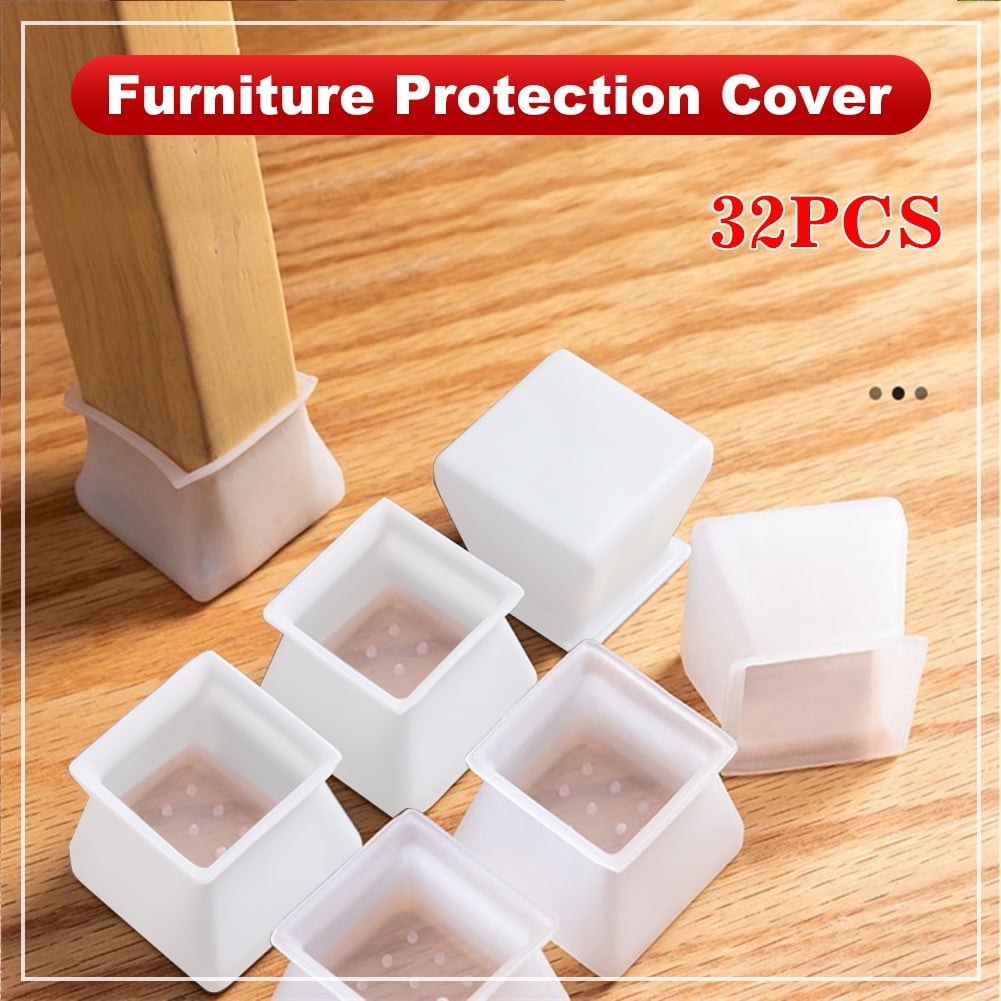
Best Table Leg Caps: Protect Floors & Reduce Noise
Hardwood, tile, and laminate floors are major investments in any home. Unfortunately, everyday furniture movement can quickly ruin them with ugly scuffs, scratches, and gouges. Whether you are dealing with a heavy dining room table or a lightweight desk, finding the right table leg caps is an easy, budget-friendly way to protect your flooring while cutting down on harsh scraping noises.

Beyond floor protection, these small accessories can solve a variety of household headaches. They stabilize wobbling tables, prevent metal legs from rusting on damp patios, and keep furniture firmly planted in place. This comprehensive guide covers everything you need to know about choosing, measuring, and installing the right caps for your furniture.
Why You Need Table Leg Caps
Unprotected furniture legs act like sandpaper against delicate flooring materials. Every time someone sits down, scooches a chair, or bumps a table, friction damages the surface. Installing protective caps offers several distinct benefits:
- Floor Preservation: Shields hardwood, engineered wood, luxury vinyl, and tile from scratches and dents.
- Noise Reduction: Eliminates the screeching sound of metal or wooden legs dragging across hard surfaces.
- Stability: Many caps feature textured bottoms or thick rubber that stops tables from sliding or rocking.
- Aesthetics and Safety: Covers sharp, unfinished metal tubing edges on modern or industrial-style furniture.
Choosing the Right Materials for Table Leg Caps
Not all furniture caps are created equal. The material you choose depends heavily on your flooring type, the environment (indoor versus outdoor), and how often you move the table.
Rubber and Silicone
Rubber and flexible silicone caps are the most popular choices for indoor use. Silicone options are usually transparent, making them virtually invisible once installed on wooden or metal legs. They offer incredible grip, making them ideal if you want to prevent a table from sliding around. Pure rubber caps are thicker, highly durable, and excellent at absorbing impact.
Felt-Bottomed Sliders
If you have heavy dining tables that you frequently need to pull out, felt-bottomed table leg caps are the gold standard. They combine a flexible silicone or rubber sleeve that grips the leg with a smooth felt pad on the bottom. This allows the table to glide effortlessly across hardwood and tile without scratching the finish or making a sound.
Plastic and Polyethylene
Video: Cheap & Best Top 5 Chair Leg Caps And Caster Wheels Unboxing & Review - Plastic Round Pipe Plug 13~7

Hard plastic glides are typically used inside hollow metal or tubular furniture legs (often called insert glides or knock-in caps). While they do not offer much grip, they slide easily and are rugged enough to withstand outdoor weather conditions and rough patio stone.
Vinyl and Polyurethane
Vinyl caps are stretchy, durable, and resistant to moisture. They are frequently used on outdoor patio furniture, wire shelving units, and exercise equipment where corrosion protection is a priority.
How to Measure for Table Leg Caps
Getting the right size is crucial. A cap that is too loose will constantly fall off, while one that is too tight will split during installation. Follow these simple measuring steps:
- Determine the Shape: Look closely at the leg profile. Is it perfectly round, square, rectangular, or angled?
- Measure the Dimensions: For round legs, measure the outside diameter across the widest part. For square or rectangular legs, measure the length and width of the outer edges.
- Account for Material Stretch: If you are buying flexible silicone or rubber caps that stretch over the leg, minor variations can be accommodated. However, if you are buying hard plastic insert caps that go inside a hollow leg, your measurements must be exact to the millimeter.
Installation Tips for a Secure Fit
Installing most table leg caps takes only a few minutes, but a few pro tips can make the process even easier:
First, thoroughly clean the bottom of the table legs. Wipe away dust, pet hair, dirt, or old adhesive residue so the new caps can grip properly. If you are working with stiff rubber or vinyl caps in a cold room, use a hairdryer to warm them up slightly. The heat makes the material more pliable, allowing you to stretch and push them onto the legs with minimal effort.
For hollow metal legs requiring internal plastic inserts, simply align the cap with the opening and tap it gently with a rubber mallet until it sits flush with the tubing.
Conclusion
Table leg caps are a minor investment that yields major returns. By protecting your floors from costly damage, keeping your furniture stable, and silencing annoying scraping noises, these small accessories improve your daily living environment. Take a few measurements today, choose the material that best suits your floors, and give your furniture the simple upgrade it deserves.