BibleGateway Psalm 91: Read and Compare Translations
When people search for comfort, safety, and reassurance in Scripture, they frequently turn to the book of Psalms. Among the 150 chapters, Psalm 91 stands out as one of the most beloved and recited texts in the Bible. It is often referred to as the "Psalm of Protection" or the "Soldier's Psalm" because of its powerful imagery surrounding divine shelter and deliverance.

For modern readers looking to study this text, online platforms have transformed how we engage with Scripture. Utilizing a resource like BibleGateway Psalm 91 allows individuals to instantly compare different translations, listen to audio versions, and study cross-references without needing a physical library of commentaries.
Understanding Psalm 91: The Psalm of Protection
Psalm 91 begins with one of the most reassuring declarations in the entire Bible:
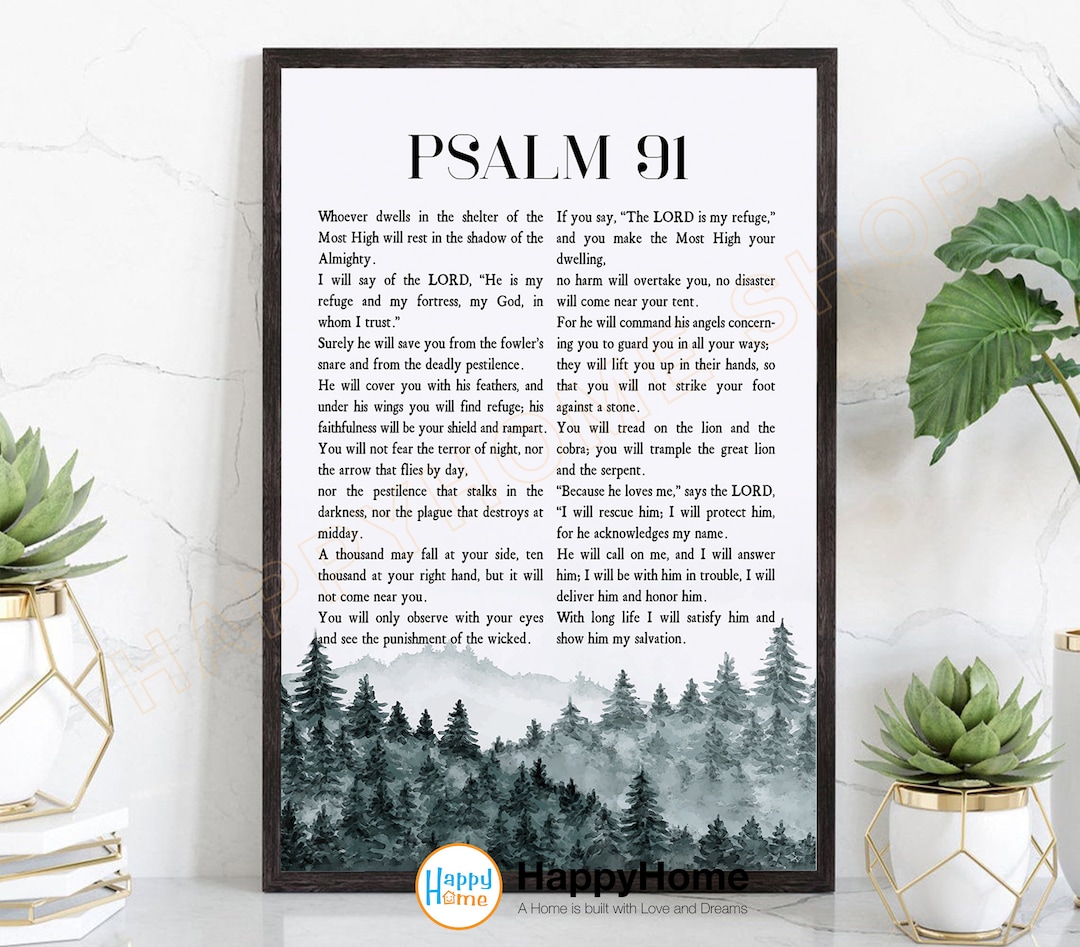
"Whoever dwells in the shelter of the Most High will rest in the shadow of the Almighty."
The writer—traditionally attributed to Moses, though anonymous in the text—uses deeply evocative architectural and agricultural metaphors to describe God as a refuge. In an ancient world filled with warfare, plagues, and environmental uncertainties, this psalm offered profound psychological and spiritual grounding. It moves from intimate personal trust ("I will say of the Lord, 'He is my refuge...'" v. 2) to sweeping corporate promises of angelic protection and ultimate deliverance.
Key Themes and Imagery
- The Dwelling Place: Living in close communion with God provides spiritual safety.
- Deliverance from Snares and Plagues: Protection from hidden traps and widespread sickness.
- Feather and Wing Metaphors: God is pictured as a mother bird sheltering her chicks, combining fierce protection with tender intimacy.
- Angelic Command: God commands His angels to guard the believer in all their ways.
How to Use BibleGateway for Psalm 91
BibleGateway.com is one of the most popular digital Bible tools available, offering dozens of translations and study features. If you navigate to BibleGateway Psalm 91, you gain immediate access to tools that can deepen your understanding of the text.
1. Comparing Translations
One of the greatest benefits of digital Bible study is translation comparison. Psalm 91 contains poetic Hebrew terms that translate differently across English versions. Here is how a few major translations render verse 1:
Video: Psalm 91 - My Refuge and My Fortress (With words - KJV) | God Our Protector | Prayer for Protection

- New International Version (NIV): "Whoever dwells in the shelter of the Most High will rest in the shadow of the Almighty."
- New Living Translation (NLT): "Those who live in the shelter of the Most High will find rest in the shadow of the Almighty."
- King James Version (KJV): "He that dwelleth in the secret place of the most High shall abide under the shadow of the Almighty."
- English Standard Version (ESV): "He who dwells in the shelter of the Most High will abide in the shadow of the Almighty."
By comparing these versions on BibleGateway, you can notice nuances. For instance, the shift from "whoever" (plural/inclusive) in the NIV to "he who" in the older KJV helps modern readers see the personal, individual application of the text.
2. Utilizing Parallel Columns
BibleGateway allows you to view multiple translations side-by-side using the "Parallel" view feature. When reading Psalm 91, running the New American Standard Bible (NASB) next to The Message (MSG) can be illuminating. While the NASB offers a word-for-word literal translation, Eugene Peterson’s paraphrase in The Message captures the poetic, dynamic essence of verses like verse 4:
"His huge outstretched arms protect you—under them you're perfectly safe; his arms fit round you like a shield."
3. Audio Bibles and Multitasking
Not everyone processes text best by reading. BibleGateway offers built-in audio features. Listening to Psalm 91 read aloud by a narrator can completely change your experience of the psalm. Hearing the cadence and rhythm of the Hebrew poetry—even in English translation—highlights its original function as a song or prayer of worship.
Practical Application for Modern Readers
While Psalm 91 was written thousands of years ago in a vastly different cultural context, its principles remain deeply relevant today. Modern readers often face different "terrors of the night"—anxiety, financial instability, health crises, and professional stress.
Reading Psalm 91 does not mean believers are immune to physical hardship or tragedy (as evidenced by the broader narrative of Scripture and church history). Instead, it points to a deeper reality: ultimate spiritual security in the presence of God. When Jesus was tempted in the wilderness, Satan actually quoted Psalm 91:11-12 regarding angelic protection, proving how widely known and revered this text was by the first century.
Conclusion
Whether you are searching for daily encouragement, studying Hebrew poetry, or preparing a lesson, exploring BibleGateway Psalm 91 offers a seamless way to engage with sacred text. By leveraging translation comparisons, audio tools, and cross-references, you can unlock the enduring power of these ancient words of shelter and peace.