Bike to Run Conversion: Miles, Time & Effort
Whether you are rehabbing a running injury, looking to add low-impact aerobic volume, or structuring a multi-sport training plan, calculating an accurate bike to run conversion is essential. Runners often wonder: If I ride 20 miles, how many running miles did I bank? Or, If my training plan calls for a 45-minute tempo run, how long should I sit on the bike to get the same stimulus?

The short answer is that while cycling and running both build cardiovascular endurance, they are physiologically distinct activities. You cannot simply apply a 1:1 mileage swap. However, by using established ratios based on distance, time, and aerobic effort, you can accurately map your cycling sessions to your running goals.
The Standard Bike to Run Conversion Ratios
When translating training loads between the saddle and the road, coaches generally rely on two conversion metrics: distance-based ratios and time-based ratios.
1. The Distance Ratio (3:1 to 4:1)
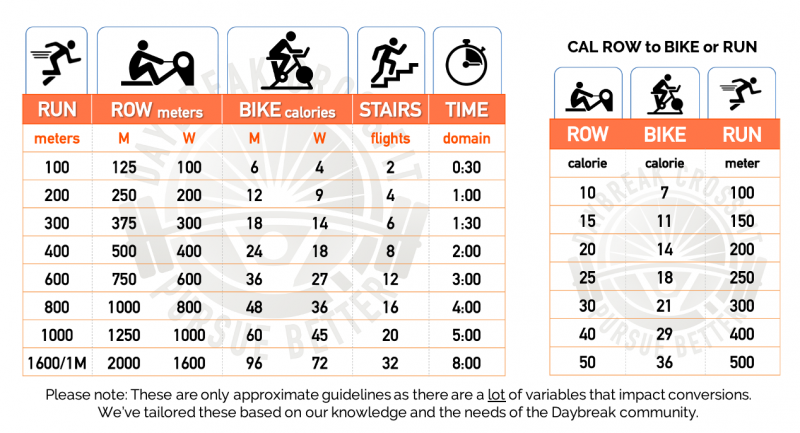
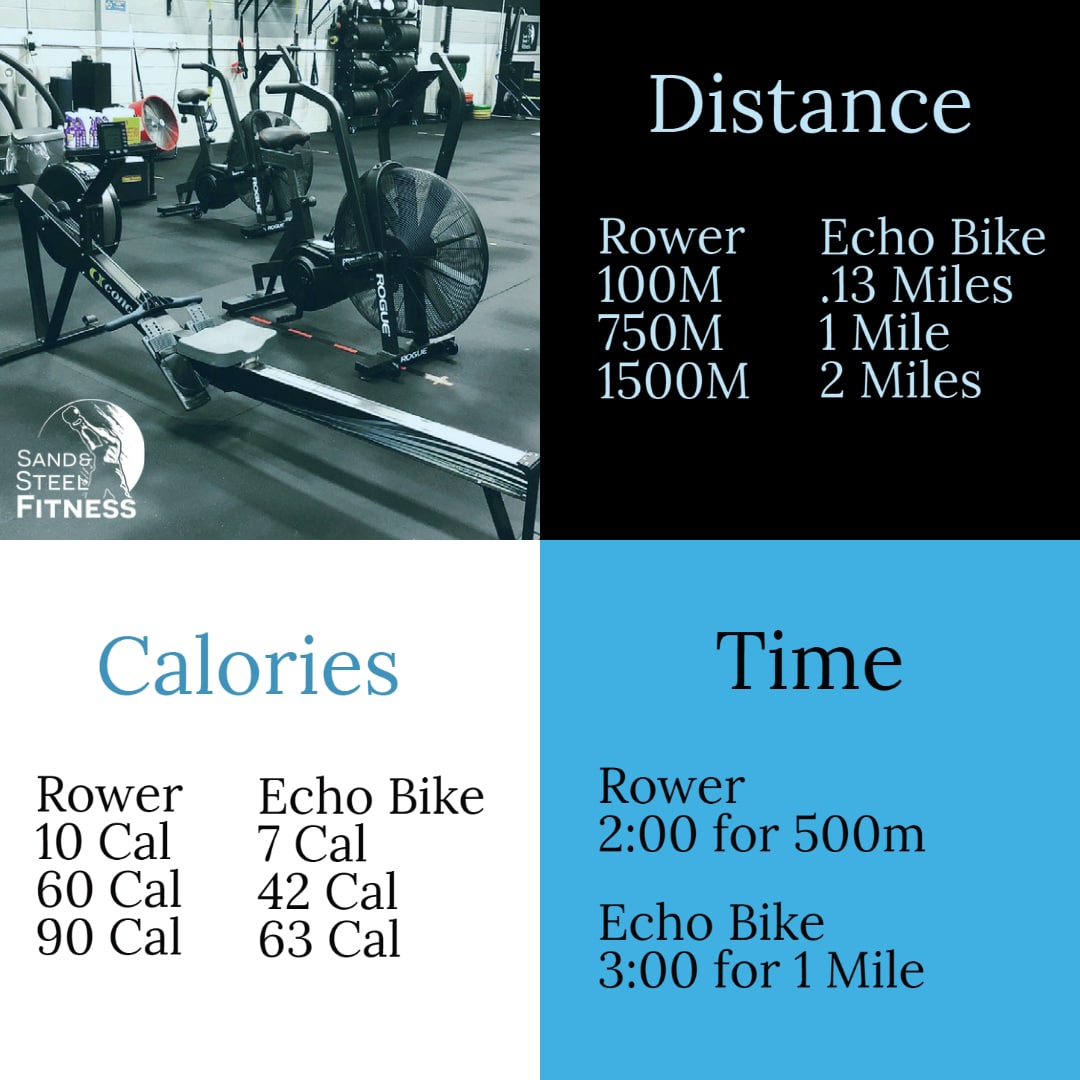
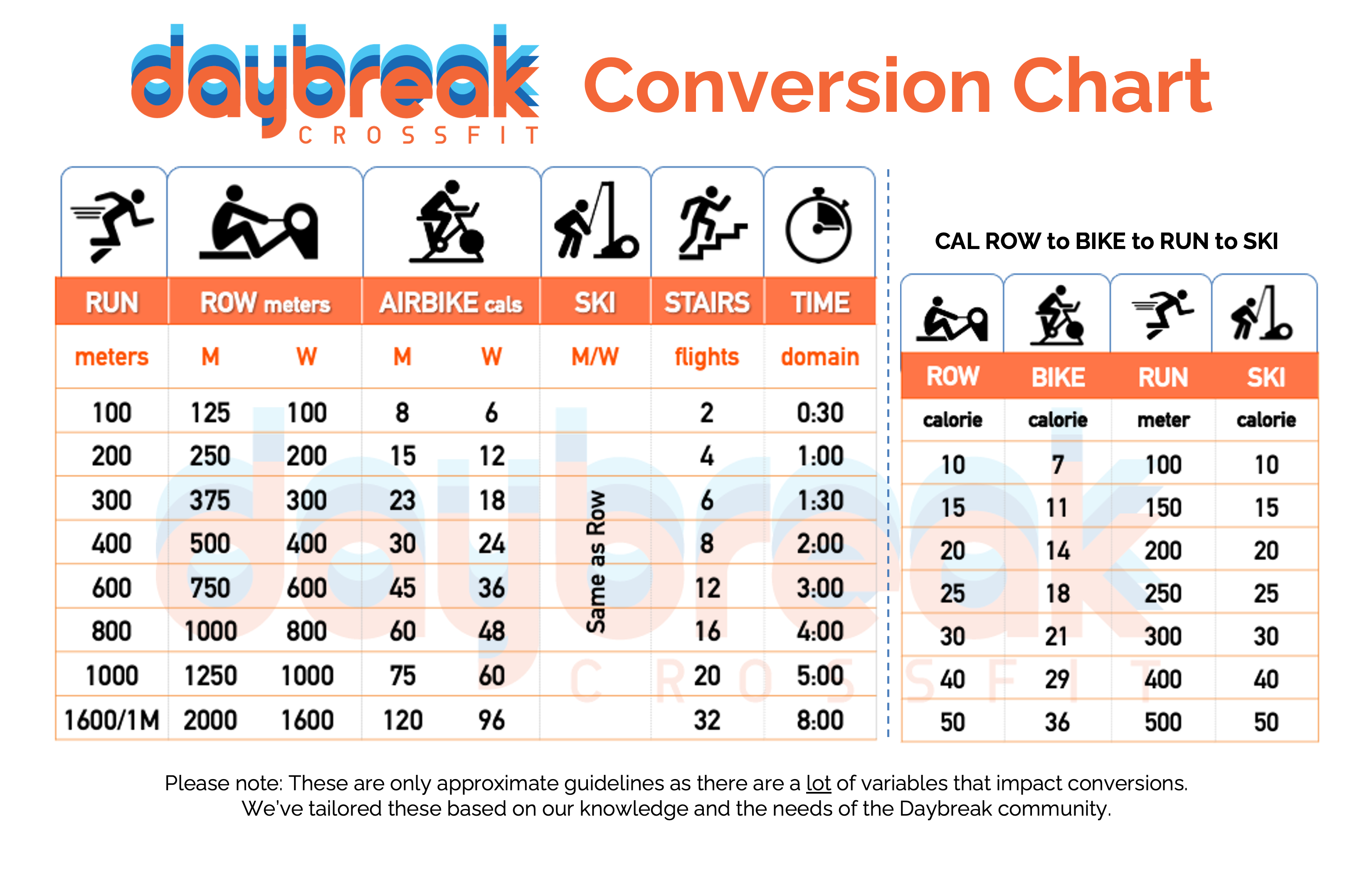
If you are looking purely at mileage, the standard conversion factor is roughly 3 to 4 cycling miles for every 1 running mile. The exact multiplier depends largely on terrain, cadence, and bicycle efficiency:
- Flat road, road bike: 3.5:1 or 4:1 (e.g., 20 miles cycling ≈ 5 to 5.7 miles running)
- Hilly terrain or gravel: 3:1 (e.g., 18 miles cycling ≈ 6 miles running)
- Stationary bike with moderate resistance: 3.5:1
Distance ratios, however, have significant blind spots. Coasting on a bike consumes zero energy, whereas running requires continuous muscular output on downhills. Wind resistance and gearing also skew mileage. For this reason, exercise physiologists prefer duration and effort over raw mileage.
2. The Time Ratio (1.25:1 to 1.5:1)
Time is a far more reliable metric for aerobic conditioning. Because running involves constant ground reaction forces and full weight-bearing, you burn more energy per minute than you do while pedaling at a leisurely pace.
To match the aerobic stimulus of a run, aim for 1.25 to 1.5 times the duration on the bike:
- 30-minute easy run: Requires roughly 38 to 45 minutes of steady cycling.
- 60-minute aerobic run: Requires roughly 75 to 90 minutes of continuous cycling.
- 90-minute long run: Requires roughly 110 to 135 minutes of steady endurance cycling.
3 Methods to Convert Cycling to Running Effectively
Rather than relying on rough estimates, use one of these three targeted methods depending on the tools you have available.
Method 1: Heart Rate and Time in Zone (Most Accurate)
Aerobic adaptations are driven by time spent in specific cardiovascular training zones. If your goal is to replicate a Zone 2 base run, match the duration and maintain your Zone 2 heart rate on the bike.

Important nuance: Your cycling maximum heart rate is typically 5 to 10 beats per minute (bpm) lower than your running maximum heart rate. Because cycling supports your body weight and uses fewer upper-body muscles, your heart does not need to pump as vigorously to return blood to the heart. When using heart rate zones, shift your target zones downward by roughly 5 to 8 bpm on the bike.
Method 2: Cadence and Rate of Perceived Exertion (RPE)
If you train without a heart rate strap, use perceived effort alongside cadence. A common mistake runners make on the bike is "mashing" heavy gears at a low cadence (60–70 RPM). This produces high localized muscle fatigue in the quadriceps without adequately stressing the cardiovascular system.
To simulate running mechanics:
- Keep your cadence between 85 and 95 RPM, which closely mimics an optimal running stride turnover (170–190 steps per minute).
- Match the perceived effort (RPE scale of 1–10) to the scheduled run. If your run was intended to be an easy RPE 4, pedal at a light-to-moderate resistance where you can pass the "talk test" while spinning smoothly.
Method 3: Caloric Burn Matching
If you track total energy output, you can match calories burned. Modern smart trainers, power meters, and GPS watches provide reasonably accurate caloric estimates based on power output (kilojoules) or heart rate.
A typical 150-pound runner burns approximately 100 to 110 calories per mile. If you miss a 6-mile run, you need to expend roughly 600 to 660 calories on the bike to match the metabolic cost. On a bike, burning that amount usually takes 15 to 25% longer than it does on foot.
Physiological Differences: What the Bike Cannot Replace
While a bike to run conversion preserves aerobic fitness, cycling cannot fully replace running workouts over extended periods due to key biomechanical differences:
- Impact and Bone Density: Running generates ground reaction forces equal to 2.5 to 3 times your body weight per step. This mechanical stress triggers bone remodeling (increasing cortical thickness) and strengthens tendons. Cycling is non-impact, meaning it does not maintain bone-loading adaptations.
- Eccentric Muscle Contraction: Running requires eccentric contractions—your quadriceps and calves must absorb shock as they lengthen under load. Cycling relies almost entirely on concentric contraction (muscles shortening to push the pedal). Without occasional impact, your legs will feel exceptionally sore when you return to pavement.
- Core and Postural Engagement: Running demands dynamic balance and single-leg stabilization from the gluteus medius, foot intrinsics, and core stabilizers. Cycling supports your pelvis on a saddle, disengaging many stabilizing muscles.
Quick-Reference Bike to Run Conversion Chart
Use this reference table to translate common running sessions into their cycling equivalents:
- Recovery Run (3 miles / 30 mins): 40 minutes cycling at 85–90 RPM, low resistance, Zone 1–2 heart rate.
- Standard Base Run (5 miles / ~45 mins): 60 to 70 minutes cycling at steady endurance pace (Zone 2).
- Tempo / Threshold Run (4 miles with 20 mins at threshold): 15-minute warm-up, 25 minutes cycling at Zone 4 power/heart rate (85–95 RPM), 15-minute cool-down.
- Long Run (10 miles / ~90 mins): 2 hours to 2 hours and 15 minutes of continuous pedaling at steady endurance pace with minimal coasting.
Best Practices for Runners on the Bike
To maximize the carryover of your cycling sessions to the road, keep these practical rules in mind:
- Avoid Coasting: On an outdoor bike, freewheeling down hills drops your heart rate to resting levels. For precise conversion, ride on rolling-to-flat terrain where you pedal continuously, or use an indoor smart trainer.
- Get a Proper Bike Fit: An incorrect saddle height or reach can place unnecessary strain on your patellar tendon, lower back, or IT band—the exact areas injured runners are often trying to protect.
- Transition Gradually: If you are returning to running after weeks of bike-only conditioning, your cardiovascular engine will be stronger than your musculo-skeletal system's ability to absorb shock. Reintroduce running gradually (e.g., using run-walk intervals) even if your lungs feel completely fresh.