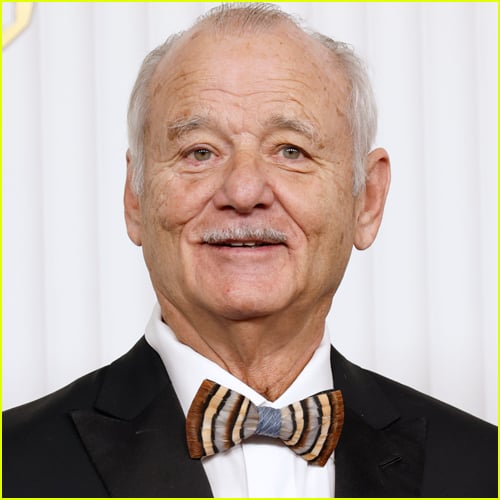
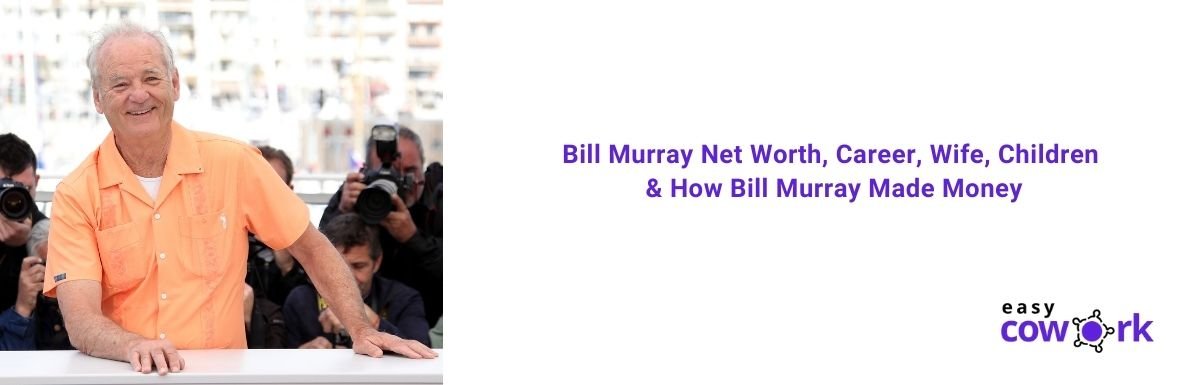
Bill Murray's Net Worth: His $150M Legacy
When people think of Bill Murray, they rarely picture a savvy corporate titan or a Wall Street mogul. Instead, they envision the sardonic slacker from Caddyshack, the deadpan ghostbuster, or the weary traveler in Lost in Translation. Yet behind the whimsical public persona and the legendary unresponsiveness to traditional Hollywood agents lies a remarkably resilient financial empire. Bill Murray’s net worth deconstructed – how one star crafted a $150 million financial legacy is a masterclass in leverage, selective project choices, and building long-term equity over upfront cash.
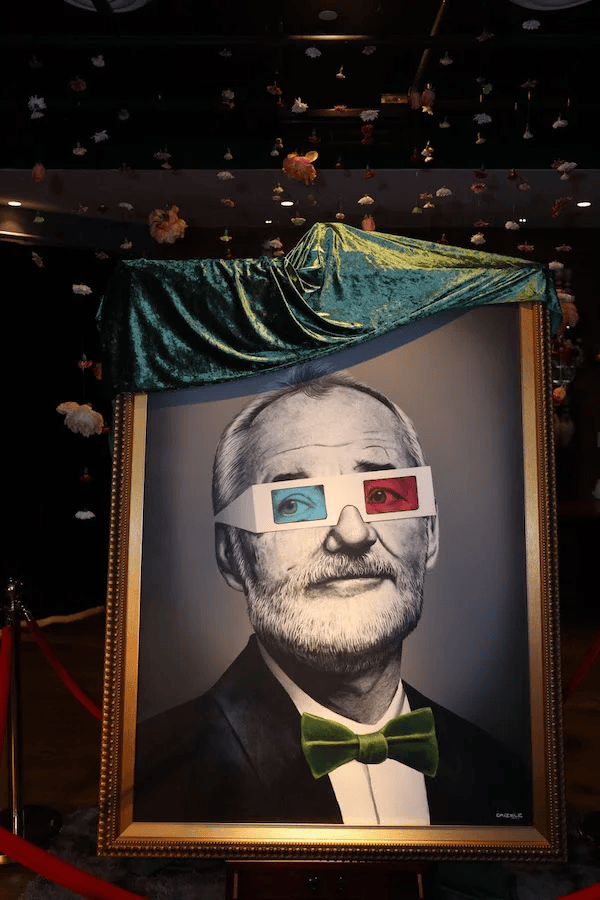
While many of his 1980s peers chased massive per-picture paychecks that eventually dried up, Murray engineered a career that prioritized creative control and backend profits. This strategic approach has allowed him to amass an estimated $150 million net worth without ever playing the standard Hollywood game.
The Foundation of Fame: 1970s and 1980s Blockbusters
Murray’s financial journey began in earnest when he joined Saturday Night Live in 1977, replacing Chevy Chase. While SNL paid relatively modest wages in its formative years, the national exposure launched him into the cinematic stratosphere. The 1980s were particularly lucrative, transforming him from a TV sketch comedian into a bankable movie star.
His early hits set baseline financial expectations, but it was 1984's Ghostbusters that changed his financial trajectory forever. Instead of taking a standard salary, Murray negotiated a percentage of the film's profits. Ghostbusters became a cultural phenomenon, grossing nearly $300 million worldwide against a $30 million budget. Murray’s backend cut netted him tens of millions of dollars, establishing a pattern he would repeat throughout his career.
Smart Financial Moves: Backend Deals and Royalties
Many actors fall into the trap of demanding exorbitant upfront fees, which often prices them out of smaller, high-quality independent films or saddles studios with bloated budgets. Murray took a different path, frequently working for scale on independent or auteur-driven projects in exchange for a stake in the film's financial performance.
Key Strategies in Murray's Wealth Accumulation
- Profit Participation: Securing points on high-grossing blockbusters like Ghostbusters and Groundhog Day.
- Low Overhead: Maintaining a relatively private, low-key lifestyle away from the hyper-expensive enclaves of Los Angeles.
- Selective Stardom: Creating scarcity. By turning down as many roles as he accepts, Murray keeps his demand—and his price tag—consistently high.
- Diversified income from continuous syndication and home video residuals of classic 80s and 90s comedies.
The Wes Anderson Collaboration and Indie Credibility
Video: What's Bill Murray's Net Worth?

In the late 1990s and 2000s, Murray pivoted away from mainstream studio comedies to anchor independent cinema, most notably through his partnership with director Wes Anderson. Films like Rushmore, The Royal Tenenbaums, and The Life Aquatic with Steve Zissou did not pay blockbuster salaries. In fact, Murray famously agreed to be paid very little for 1998's Rushmore—even writing a personal check to cover a helicopter shot when the studio refused to pay for it.
However, this artistic gamble paid massive dividends. These roles revitalized his career, cementing his status as a critical darling and cultural icon. This second act expanded his demographic appeal, keeping him relevant to younger generations of moviegoers and ensuring a steady stream of lucrative supporting roles in major franchises, including Marvel's Ant-Man and the Wasp: Quantumania.
Real Estate and Other Ventures
Unlike many celebrities who flip mansions or invest heavily in volatile tech startups, Murray’s real estate footprint reflects his understated personality. He has owned properties across the United States, including homes in New York, Los Angeles, and his home state of Illinois. While not known as a real estate mogul, the natural appreciation of these properties over decades has contributed significantly to his overall net worth.
Beyond acting, Murray has generated revenue through voice acting (such as the Garfield films), commercial endorsements, and public appearances. His unpredictable public appearances—crashing weddings, bartending at his son’s Brooklyn restaurant, or playing impromptu rounds of golf—have kept him in the cultural zeitgeist, turning organic publicity into enduring brand value.
Lessons from a $150 Million Legacy
Analyzing Bill Murray's wealth reveals that financial success in the entertainment industry does not require conformity. By refusing to hire a traditional agent, ignoring standard Hollywood protocols, and betting on himself through backend participation, Murray built a fortune on his own terms.
His $150 million legacy proves that longevity in Hollywood belongs to those who prioritize quality, cultivate a distinct personal brand, and remain indispensable to filmmakers. For Murray, money has always been a byproduct of doing interesting work rather than the primary motivation—a paradox that ultimately made him one of the wealthiest and most respected comic actors of our time.