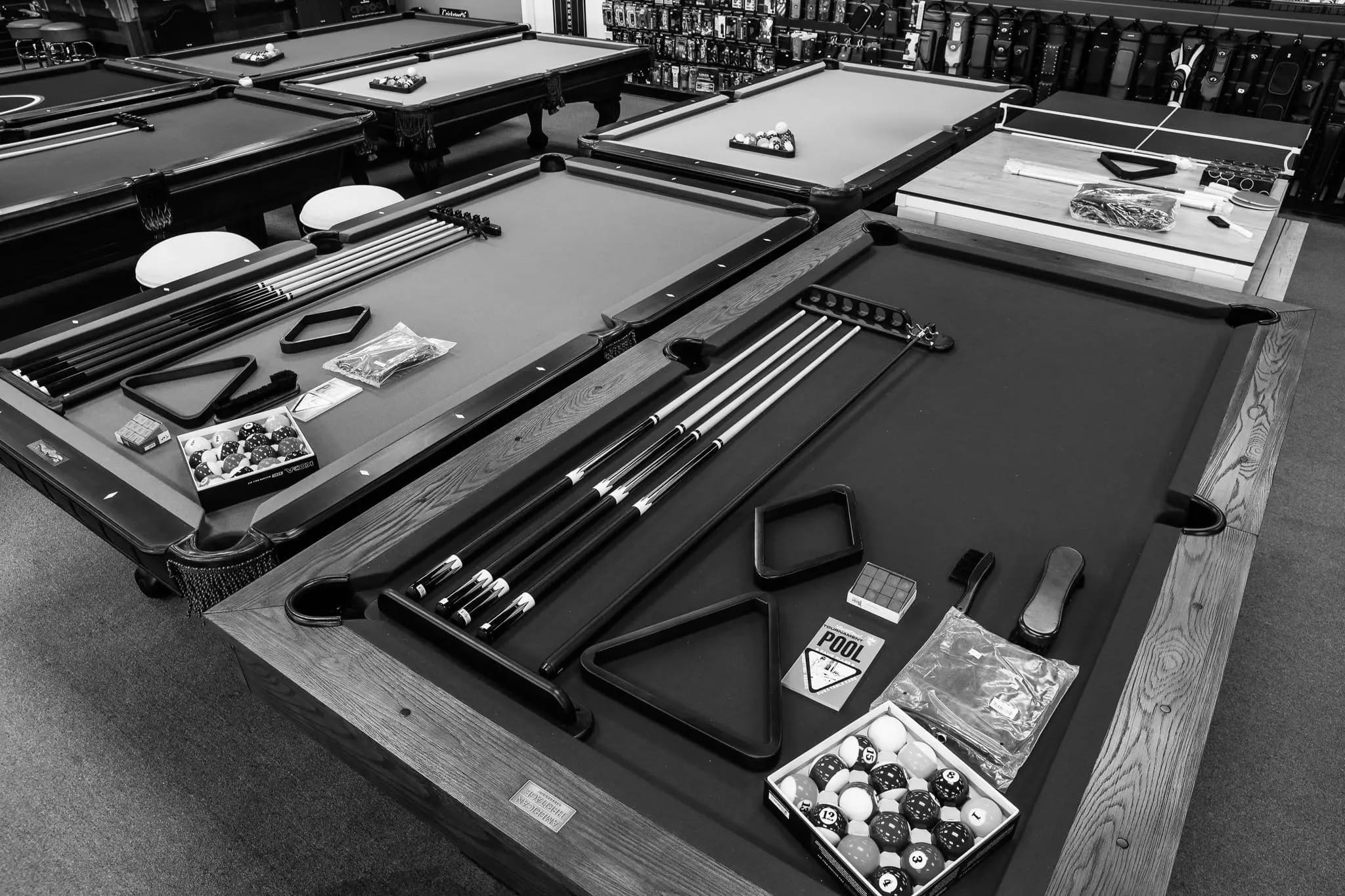
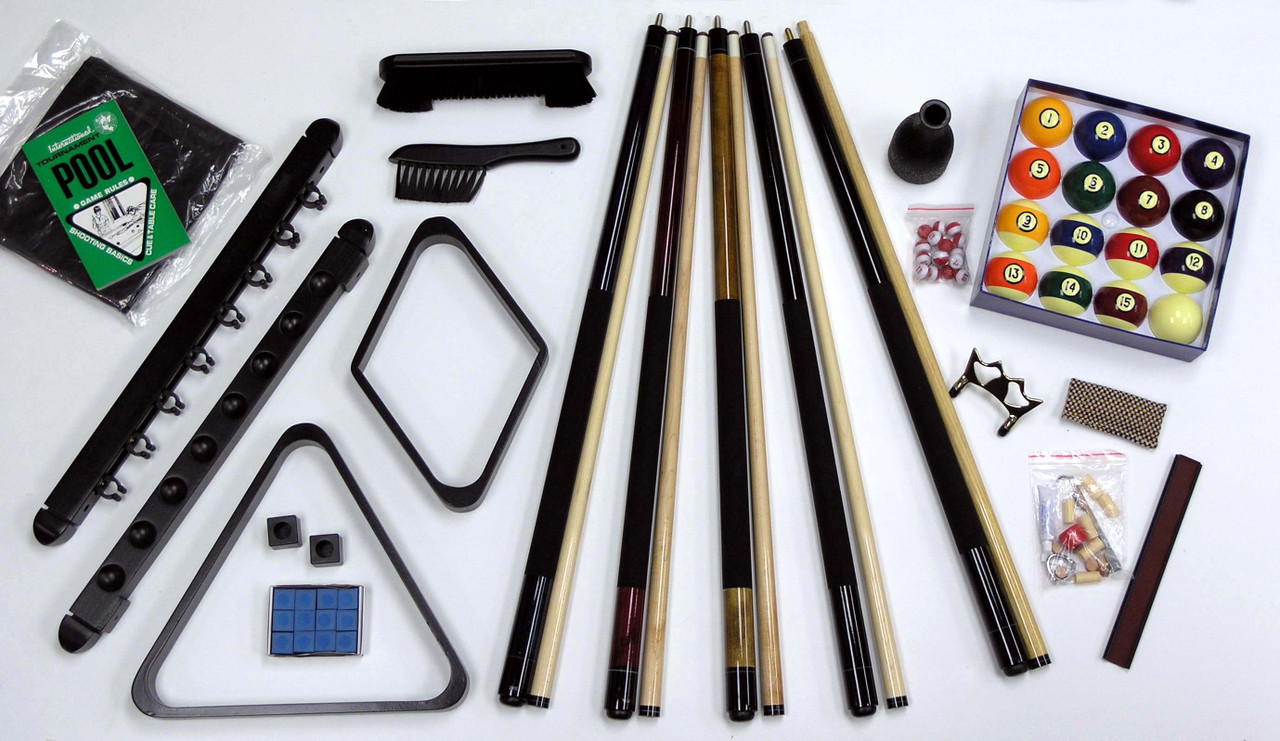
Billiard Equipment and Supplies: A Complete Guide
Whether you are outfitting a dedicated home game room or upgrading a commercial pool hall, investing in the right billiard equipment and supplies makes all the difference. The quality of your gear directly influences table physics, shot consistency, and the lifespan of your playing surface. With hundreds of options available—from budget composite sets to tournament-grade accessories—understanding what you truly need will save you money and elevate your game.

The Foundation: Table Quality and Cloth Selection
The pool table is the centerpiece of any setup. While furniture-style tables with wood-veneer playing surfaces are tempting for casual spaces, genuine performance relies on three critical components: slate, framing, and cloth.
Slate vs. Non-Slate Beds
Tournament standards demand three-piece, one-inch-thick diamond-honed slate backed by solid wood framing. Slate provides an unyielding, perfectly level surface that will not warp over time due to humidity or temperature shifts. Composite surfaces (such as Slatetron or particleboard) are lighter and cheaper, but they inevitably sag or develop dead spots within a few years of regular play.
Worsted Wool vs. Standard Woolen Cloth
The felt—more accurately called billiard cloth—determines ball speed and spin response:
- Woolen Cloth: The traditional choice for casual play, woolen felt is thicker, fuzzier, and contains higher percentages of nylon or polyester. It plays slower and can develop pill balls over time.
- Worsted Cloth: Woven from smooth, combed wool fibers (such as Simonis 860), worsted cloth features no nap. It allows the balls to roll faster, truer, and with predictable English. While more expensive, it resists grooving and lasts significantly longer under heavy use.
Cue Sticks and Shaft Technology
A player's connection to the table comes down to the cue. Relying on house cues—often warped, poorly weighted, or fitted with dry leather tips—hampers skill progression. Building a proper gear kit means choosing the right cues for distinct tasks.
Playing Cues
A standard two-piece playing cue measures 58 inches and weighs between 18 and 21 ounces, with 19 ounces being the most popular all-around choice. Traditional cues are crafted from dried Canadian hard rock maple, prized for its rigidity and feedback. In recent years, carbon-fiber composite shafts have surged in popularity due to their low deflection, ding resistance, and warp-proof construction.
Tip Diameter and Hardness
The tip is where kinetic energy transfers to the cue ball. Standard American pool tips range from 11.75mm to 13mm:
- Soft Tips: Provide enhanced grip and spin retention, though they mushroom quickly and require frequent reshaping.
- Medium Tips: The sweet spot for most players, balancing cue ball control with minimal maintenance.
- Hard Tips: Deliver maximum energy transfer and maintain their profile for a long time, making them ideal for breaking and jumping.
Billiard Balls: The Science of Phenolic Resin
Not all billiard balls are created equal. Inexpensive sets made from cast polyester or acrylic degrade quickly, developing microscopic surface cracks that scratch your felt and generate friction burns.

High-end sets, such as those made by Belgian manufacturer Aramith, are engineered from pure phenolic resin. This material is perfectly homogenous, meaning the center of gravity sits dead-center in every sphere. Phenolic balls resist high-impact shocks up to 50 times better than polyester, withstand friction heat up to 482°F (250°C), and preserve your cloth by preventing white friction marks.
Essential Billiard Equipment and Supplies for Care and Maintenance
A well-maintained table can last decades without needing a re-felt. Protecting your investment requires a dedicated routine and a few non-negotiable billiard supplies.
Chalk and Tip Tools
Chalk creates friction between the cue tip and the polished surface of the cue ball, preventing miscues. Traditional chalks (like Master) remain industry staples, while modern engineered chalks (such as Kamui or Taom) reduce mess and chalk transfer onto the cue ball. Alongside chalk, keep an all-in-one tip tool on hand to scuff, dime-shape, and aerate compressed leather tips.
Cloth Cleaners and Brushes
Never clean a pool table with a household vacuum cleaner, which pulls and stretches the cloth fibers. Instead, assemble this cleaning kit:
- Horsehair Under-Rail Brush: Dual-length horsehair brushes sweep chalk dust out from underneath cushions without scratching wood rails.
- Microfiber Cloths: Ideal for wiping down rails and polishing balls after play.
- Specialized Table Vacuums or Quick-Clean Sprays: If using a vacuum, use an upholstery attachment held lightly above the cloth, or use specialized foam cleaners designed to lift embedded chalk without saturating the backing slate.
Fitted Table Covers
Dust, ambient humidity, and ultraviolet sunlight are silent killers of pool cloth and rubber cushions. A heavy-duty, rip-resistant vinyl or leatherette cover shields the playing surface whenever the table is not in use, preventing faded felt and dry-rotted cushion rubber.
Game Room Accessories That Improve Play
Beyond the table and sticks, several secondary supplies ensure smooth play, fair racks, and safe equipment storage.
- Precision Racking Sheets: Traditional wood and plastic triangle racks frequently leave tiny gaps between balls, causing loose breaks. Ultra-thin template racks (film sheets) hold the balls tightly together without manual nudging, ensuring consistent, explosive break shots.
- Mechanical Bridges: Essential for shots beyond a player's natural reach. Keep a two-piece bridge stick fitted with a brass cross-head or spider-head near the table to prevent players from sitting or leaning illegally on the rails.
- Wall-Mounted or Floor Cue Racks: Leaning cues against walls leads directly to warped shafts. A sturdy rack keeps cues upright and organized while providing dedicated storage for racks, bridge sticks, and chalk.
- Directional Lighting: Standard ceiling fixtures cast heavy shadows beneath the balls, distorting angles. A three-shade billiard light or an LED perimeter panel hung roughly 32 to 36 inches above the bed distributes even, shadow-free illumination across the entire surface.
Prioritizing Your Gear Budget
If you are assembling your setup gradually, prioritize items that directly contact the cue ball. Start with a solid slate table and premium worsted cloth, followed by a high-grade set of phenolic resin balls and a reliable personal cue. Secondary items like bridge heads, cue racks, and decorative lighting can be upgraded over time without compromising the fundamental physics of the game.
By investing in durable, professional-grade billiard equipment and supplies, you create a responsive, predictable playing environment that honors the sport and provides years of enjoyment.