Birth Date Compatibility Myths Debunked For Lasting Love
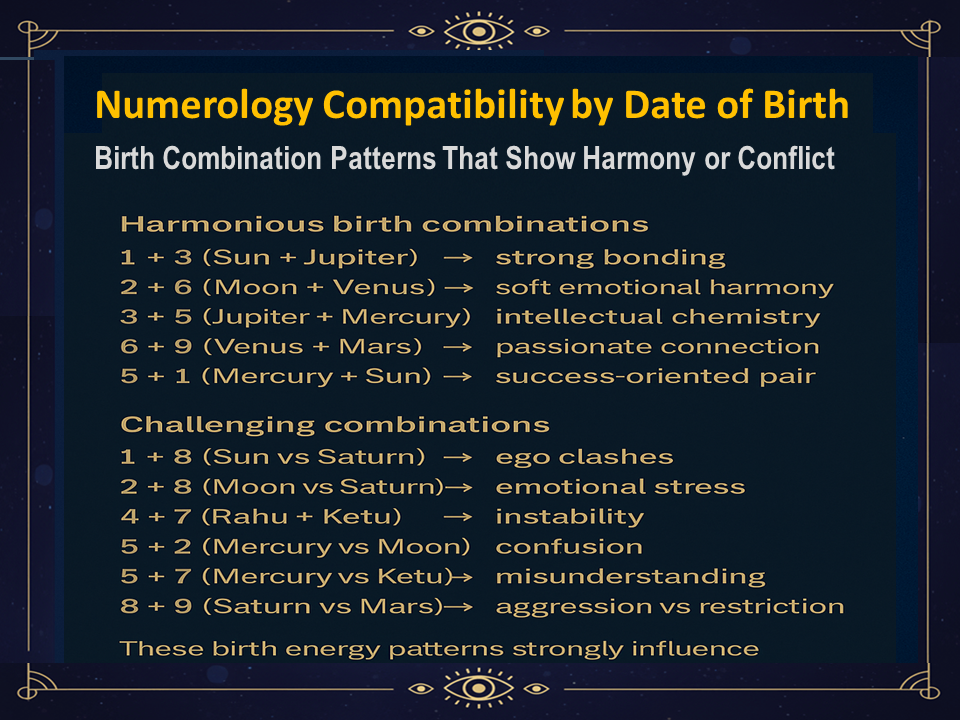
Few things are as tempting when starting a new romance as checking your partner’s zodiac sign or calculating your combined numerology life paths. When you are falling for someone, the desire for reassurance can make celestial or calendar-based shortcuts deeply appealing. However, examining birth date compatibility myths debunked for lasting love reveals that relying on calendar dates often blinds us to the real, observable dynamics that determine relationship success.
While astrology and numerology can offer playful conversation starters or frameworks for self-reflection, confusing symbolic frameworks with behavioral reality creates unnecessary relationship roadblocks. Let's break down the most persistent birth date compatibility myths and look at what psychological research says truly sustains a healthy partnership.
The 4 Most Common Birth Date Compatibility Myths
Myth 1: Certain Sun Signs Are Naturally Incompatible
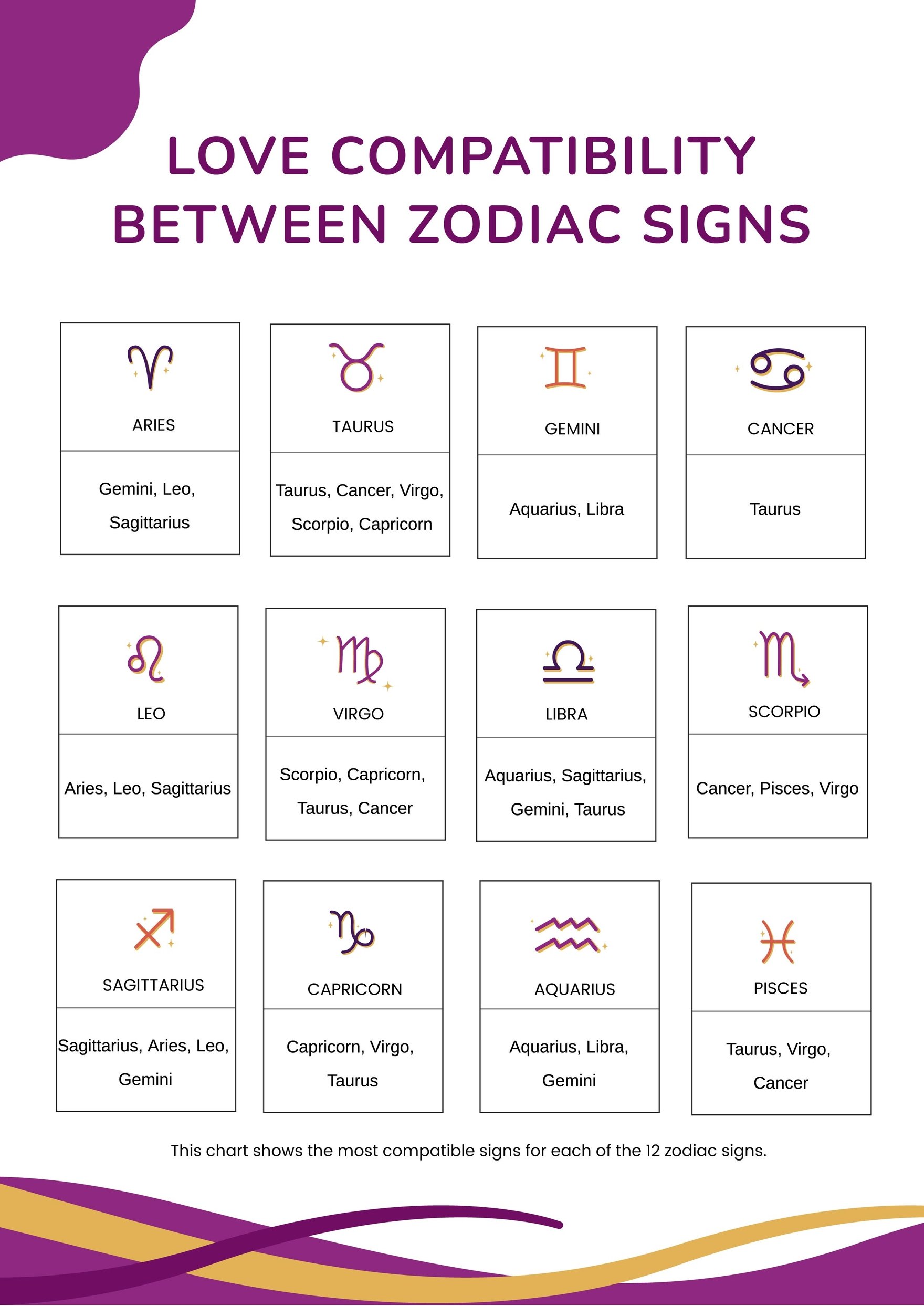
The most pervasive myth in popular astrology is that specific sun signs simply cannot get along. You have likely heard that fire signs (Aries, Leo, Sagittarius) will invariably scorch sensitive water signs (Cancer, Scorpio, Pisces), or that pragmatic earth signs are too rigid for spontaneous air signs. In dating practice, this leads people to reject promising matches based solely on a single data point: the month and day someone was born.
In reality, even professional astrologers caution against "sun-sign reductionism." Human personalities are multidimensional. When social scientists analyze marriage and divorce registries against astrological pairings—such as the famous 2007 study by Dr. David Voas analyzing ten million married couples in England and Wales—they find zero statistical correlation between birth dates and marital longevity. People with supposedly "incompatible" signs stay happily married at the exact same rates as "ideal" matches.
Myth 2: "Soulmate Numbers" Guarantee an Effortless Romance
In numerology, life path numbers derived from birth dates are often used to identify "destined" matches. A common misconception is that finding someone with a complementary number guarantees smooth sailing, low conflict, and instant emotional safety.
This myth is dangerous because it encourages passive relationship habits. When partners believe their connection is written into the mathematics of the universe, they often neglect the daily maintenance relationships require. When conflict inevitably surfaces, couples who rely on soulmate ideology often experience greater distress, assuming that friction means the cosmic blueprint was misread, rather than recognizing conflict as a normal, navigable part of intimacy.
Myth 3: Meeting During Specific Astrological Transits Dooms the Union
Did you meet during Mercury retrograde? Did you move in together during a Saturn return? Pop culture astrology frequently suggests that relationships initiated during perceived astrological turbulence carry an invisible expiration date. This belief fosters a self-fulfilling prophecy: when minor hiccups occur, partners attribute them to cosmic timing rather than addressing the root communication issue.
Myth 4: Birth Order and Birth Date Dictate Emotional Maturity
Another popular variation connects birth dates to biological rhythms or age gaps, claiming that specific numerical intervals dictate maturity gaps. While emotional maturity varies, it is shaped by trauma processing, personal accountability, and social environment—never by the day someone enters the calendar year.
Birth Date Compatibility Myths Debunked For Lasting Love: What Actually Works

If birth dates cannot predict whether two people will thrive together, what does? Relationship scientists, including Dr. John Gottman and researchers in adult attachment theory, have spent decades observing couples in longitudinal studies. Their findings point to clear, actionable behaviors that build lasting bonds.
1. Emotional Responsiveness and "Bids for Connection"
Throughout any ordinary day, partners make small requests for attention, affection, or support. Dr. John Gottman calls these "bids." A bid can be as simple as saying, "Look at this bird outside," or asking for a hug after a stressful meeting. Couples who thrive "turn toward" these bids roughly 86% of the time, whereas couples who eventually divorce turn toward bids only 33% of the time. Lasting love is forged in these microscopic, daily choices of mutual attentiveness—not in celestial charts.
2. Constructive Conflict Resolution
Conflict is inevitable in any relationship. What separates enduring couples from those who separate is not the absence of arguments, but how they argue. Lasting partners avoid the "Four Horsemen" of relationship breakdown:
- Criticism: Attacking a partner's character rather than addressing a specific behavior.
- Contempt: Expressing disgust, sarcasm, or superiority (the single strongest predictor of divorce).
- Defensiveness: Refusing accountability by reversing blame.
- Stonewalling: Shutting down emotionally and refusing to engage.
Partners who master soft start-ups, take accountability, and repair quickly after an argument can navigate differences regardless of their birth charts.
3. Shared Values and Aligned Life Visions
Compatibility is grounded in practical realities. You can have magnetic initial chemistry with someone born under an "ideal" sign, but if your core values clash, the relationship will face friction. Essential areas of alignment include:
- Financial philosophy: How you save, spend, and manage risk.
- Family goals: Whether you want children and how you approach parenting.
- Lifestyle expectations: Work-life balance, geographic preferences, and social boundaries.
- Ethical foundations: Moral principles, spirituality, and personal integrity.
4. Secure Attachment and Emotional Safety
Adult attachment styles—secure, anxious, or avoidant—dictate how individuals react to closeness, dependency, and vulnerability. A securely attached dynamic is built through consistent reliability, empathetic listening, and psychological safety. Two people who feel safe being vulnerable with each other will outperform any theoretical birth-date compatibility index.
How to Enjoy Date Compatibility Systems Without Damaging Your Love Life
You do not have to banish astrology or personality typologies from your life entirely. The key lies in changing your relationship to these tools:
- Treat them as conversation starters, not screening criteria: Asking someone about their sign can be fun and lead to playful discussions about personality quirks. Avoid using it as a filter on dating apps.
- Watch behavior, not horoscopes: If someone treats service workers poorly, dodges commitments, or dismisses your feelings, do not justify their behavior by saying, "That is just how their sign behaves." Behavior is always a choice.
- Focus on agency over fate: A resilient relationship is an active collaboration. When problems arise, invest in active listening, couples therapy, or open dialogue instead of checking the planetary transits.
The Takeaway
Real compatibility is not an accident of birth; it is a shared creation. By letting go of deterministic birth date myths, you open yourself to discovering connections based on genuine character, emotional maturity, and mutual respect. Lasting love is not dictated by the stars you were born under, but by how you choose to treat each other every single day.