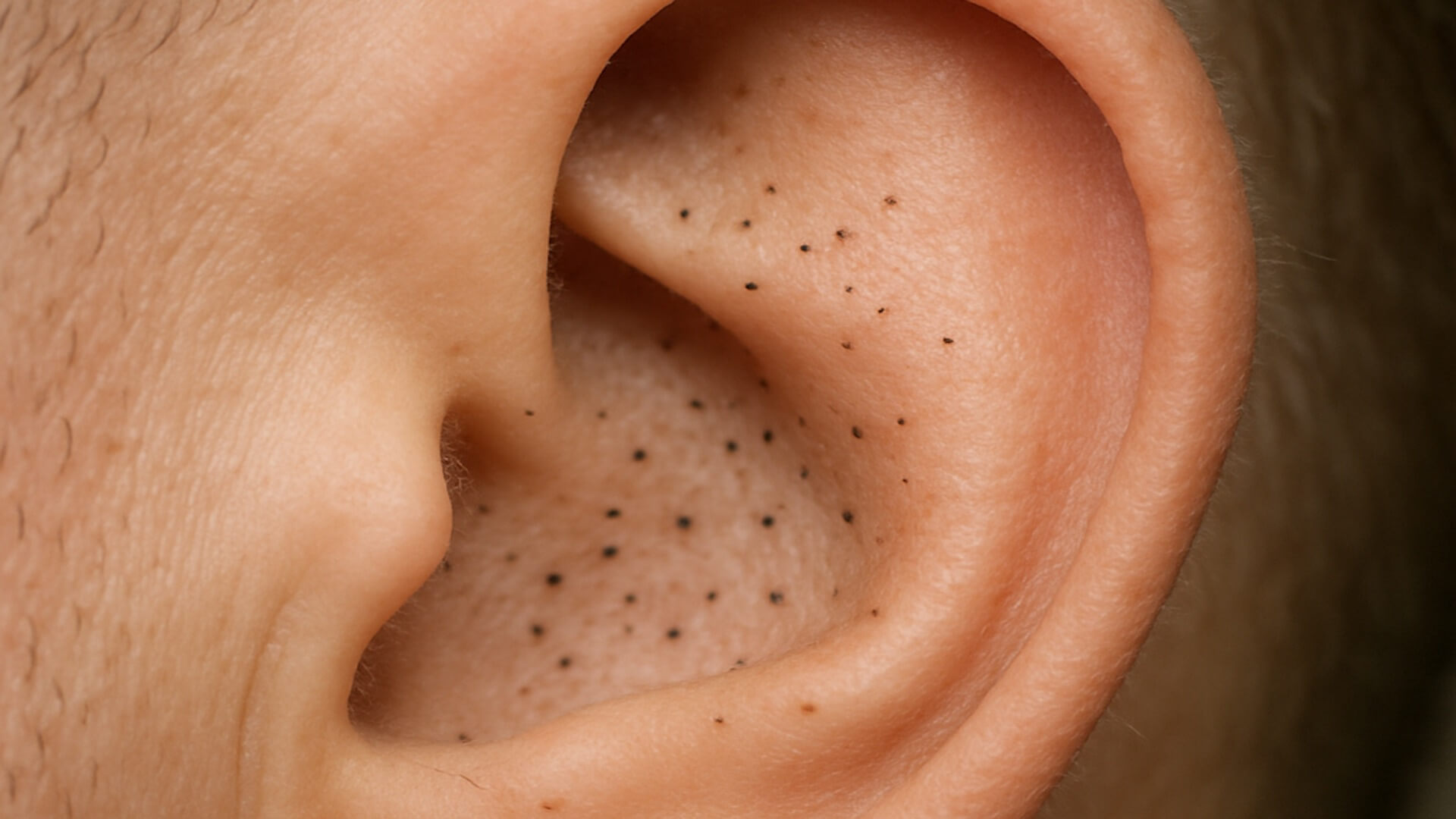
Blackheads in the Ear: The Key to Prevention
Finding a blemish on your nose or chin is frustrating enough, but discovering one inside your ear can be baffling and painful. When it comes to tackling stubborn blackheads in the ear, this one ingredient is the key to prevention: salicylic acid. Understanding why it works—and how to apply it safely to such a delicate area—is the secret to keeping your ear contours clear and smooth.

Why Do Blackheads Form in the Ear?
Many people assume blackheads only develop across the T-zone of the face, but the outer ear (the pinna) contains a surprisingly high concentration of sebaceous (oil) glands. The bowl-shaped curve of the ear, known as the concha, and the folds of cartilage along the antihelix are particularly prone to pore congestion.
Just like facial blackheads (open comedones), ear blackheads develop when dead skin cells, natural sebum, and debris collect inside a hair follicle pore. When this mixture reaches the surface and comes into contact with oxygen, it oxidizes and turns dark brown or black.
Several everyday habits make the ears uniquely vulnerable to blockages:
- Earbuds and headphones: In-ear monitors and tight over-ear headphones trap heat, sweat, and oil against the skin while physically pressing debris into open pores.
- Hair products: Heavy conditioners, leave-in serums, hairsprays, and waxes frequently migrate into the ears during application or sleep, depositing comedogenic residues.
- Inconsistent cleansing: Most people wash their face and body thoroughly but simply splash water over their ears, leaving accumulated oils behind.
- Mobile devices: Holding a smartphone against your ear transfers thousands of bacteria and surface oils straight into the cartilage folds.
The Danger of Squeezing Ear Blackheads
The immediate temptation upon spotting an ear blackhead is to grab a pair of tweezers, a comedone extractor, or your fingernails. Dermatologists strongly advise against this approach.
The skin over the ear cartilage is exceptionally thin, tightly adhered, and underlaid by minimal fatty tissue. Pushing, squeezing, or digging around blind corners causes immediate tissue trauma. In severe cases, an aggressive squeeze can cause a localized infection known as perichondritis—an inflammation of the cartilage lining that can require intravenous antibiotics and lead to permanent ear deformity.
Furthermore, inserting metal tools or fingers blindly into the ear risks slipping and puncturing the delicate ear canal lining or the tympanic membrane (eardrum). Safe resolution requires biochemical exfoliation, not physical force.
Blackheads in the Ear: This One Ingredient Is The Key To Prevention
If manual extraction is off the table, how do you eliminate existing plugs and stop new ones from appearing? When dealing with blackheads in the ear, this one ingredient is the key to prevention: salicylic acid.
Salicylic acid is a beta-hydroxy acid (BHA) derived from willow bark. While other popular chemical exfoliants like glycolic or lactic acids are alpha-hydroxy acids (AHAs), salicylic acid possesses a unique molecular structure that makes it the gold-standard treatment for congested ears.
1. It Is Oil-Soluble
AHAs are water-soluble, meaning they work primarily on the outermost surface of the skin to loosen dry flakes. In contrast, salicylic acid is lipid-soluble (lipophilic). It can cut right through dense surface sebum, penetrate deep into the pore lining, and dissolve the sticky mixture of oil and dead keratinocytes that forms the blackhead.
2. It Provides Gentle Desquamation
Video: How to get rid of Blackheads in the Ear?| Ear Blackheads - Dr. Harihara Murthy | Doctors' Circle
The skin inside your ears constantly sheds dead cells. Because the ear canal and cartilage folds lack the mechanical friction of normal body washing, those cells accumulate. Salicylic acid breaks down desmosomes—the cellular "glue" binding dead cells together—allowing them to shed naturally without abrasive scrubbing.

3. It Has Natural Anti-Inflammatory Properties
Chemically related to aspirin (acetylsalicylic acid), salicylic acid naturally calms inflammation. This reduces the redness, swelling, and tenderness often associated with trapped oil deposits in the tight confines of the outer ear.
How to Safely Apply Salicylic Acid to Your Ears
Applying active skincare ingredients near the auditory canal requires precision. You should never pour liquids into your ear or use high-strength chemical peels in this region. Follow this step-by-step protocol for safe, effective results:
- Choose the Right Formulation: Opt for a gentle leave-on liquid toner or lightweight serum containing 1% to 2% salicylic acid. Avoid products packed with high concentrations of denatured alcohol or synthetic fragrances, which can cause severe flaking and irritation on thin ear cartilage.
- Cleanse the Area First: Wash the outer folds of your ear with a soft washcloth and a mild, fragrance-free facial cleanser. Pat the area dry thoroughly with a clean towel.
- Use a Cotton Swab: Dampen a cotton swab (Q-tip) with a small drop of your salicylic acid liquid. The swab should be moist, not dripping wet.
- Apply Exclusively to Outer Cartilage: Gently trace the swab over the concha (the bowl of the ear), the antihelix ridge, and around the tragus. Target visible pores and congested zones.
- Avoid the Ear Canal: Never push the cotton swab into the inner ear opening. Salicylic acid must never contact the eardrum or enter the internal auditory canal.
- Build Frequency Gradually: Start by applying the treatment once or twice a week at night. If your skin shows no signs of dryness or peeling after two weeks, you can increase frequency to every other day.
Long-Term Habits to Prevent Ear Congestion
While salicylic acid performs the heavy lifting by keeping pores chemically clear, supporting habits will ensure blackheads do not return.
Sanitize Your Audio Gear
Wipe down your silicone ear tips, plastic earbud casings, and headphone cushions at least once a week using a 70% isopropyl alcohol wipe. Allow them to dry completely before placing them back into your ears to avoid transferring bacteria and residue.
Shield Ears from Hair Products
When applying hair oils, pomades, or leave-in sprays, cup your hands over your ears to shield them from overspray. If you take a shower and condition your hair, rinse your ears with warm water at the very end of your routine to flush away any residual silicones or oils.
Do Not Over-Wash
Stripping the ears with harsh antibacterial soaps disrupts the skin barrier and triggers rebound sebum production, exacerbating pore blockage. Stick to mild facial cleansers and let your salicylic acid do the deep-cleaning work.
When to Consult a Professional
Most ear blackheads resolve or gradually dissolve over 4 to 8 weeks of consistent salicylic acid use. However, you should visit a board-certified dermatologist or an ear, nose, and throat (ENT) specialist if you encounter:
- A large, deeply embedded blackhead (often called a giant comedone) that causes throbbing or localized pain.
- Signs of infection, such as spreading redness, warmth, swelling, or yellow discharge.
- Any growth or blockage situated deep inside the ear canal where home care is unsafe.
A dermatologist can use sterile instruments to safely extract deep comedones without damaging underlying cartilage. By pairing occasional professional maintenance with a steady, targeted routine of salicylic acid, you can maintain completely clear, comfortable ears year-round.